Edward VIII's Abdication: December 10, 1936
1936 · London, United Kingdom
Edward VIII signed the Instrument of Abdication, renouncing the British throne to marry Wallis Simpson, an American divorcee.
December 11, 1936
King Edward VIII of the United Kingdom abdicates the throne to marry Wallis Simpson, an American divorcée.
London, United Kingdom | British Monarchy
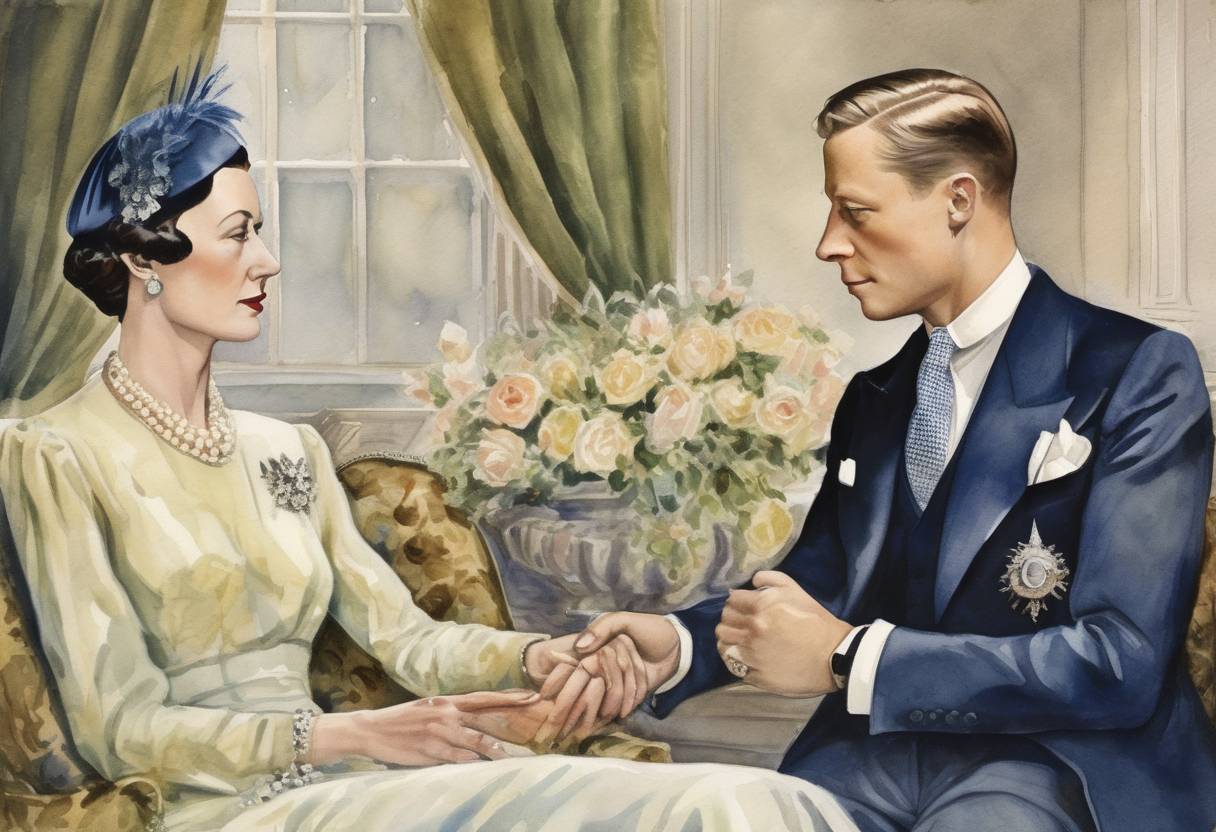
On December 11, 1936, King Edward VIII of the United Kingdom abdicated the throne, marking a significant moment in British history. This unprecedented event was driven by Edward’s determination to marry Wallis Simpson, an American divorcée, which was deemed unacceptable by the British establishment and the Church of England at the time.
Edward’s Ascension: Edward VIII became king on January 20, 1936, following the death of his father, King George V. Known for his charismatic personality, Edward was popular with the public but often clashed with traditional royal expectations.
Wallis Simpson: Wallis Simpson was an American socialite who had been married twice before. Her relationship with Edward began in the early 1930s, and by the time he became king, they were deeply involved.
Constitutional Crisis: The prospect of Edward marrying Wallis Simpson posed a constitutional crisis. As the head of the Church of England, which opposed remarriage after divorce if a former spouse was still living, Edward’s marriage to Wallis was seen as unacceptable.
Government Opposition: The British government, led by Prime Minister Stanley Baldwin, made it clear that a marriage to Wallis would not be supported. The government feared that such a union would not be accepted by the public or the Commonwealth.
Edward’s Decision: Faced with the choice between the throne and Wallis, Edward chose to abdicate. On December 10, 1936, he signed the Instrument of Abdication at Fort Belvedere, a royal residence.
Broadcast to the Nation: On December 11, 1936, Edward addressed the nation via a radio broadcast, famously stating, “I have found it impossible to carry the heavy burden of responsibility and to discharge my duties as king as I would wish to do without the help and support of the woman I love.”
Duke of Windsor: After his abdication, Edward was given the title Duke of Windsor. He married Wallis Simpson on June 3, 1937, in a private ceremony in France.
Impact on the Monarchy: Edward’s abdication had lasting effects on the British monarchy. It led to the ascension of his younger brother, George VI, who would guide the nation through World War II and restore stability to the monarchy.
Cultural and Historical Impact: The abdication crisis highlighted the tensions between personal desires and public duty, as well as the evolving role of the monarchy in modern society. It remains a pivotal moment in the history of the British royal family.
Edward VIII’s abdication is remembered as a dramatic and defining moment in 20th-century British history, illustrating the complexities of royal life and the profound impact of personal choices on national affairs.
Source: en.wikipedia.org