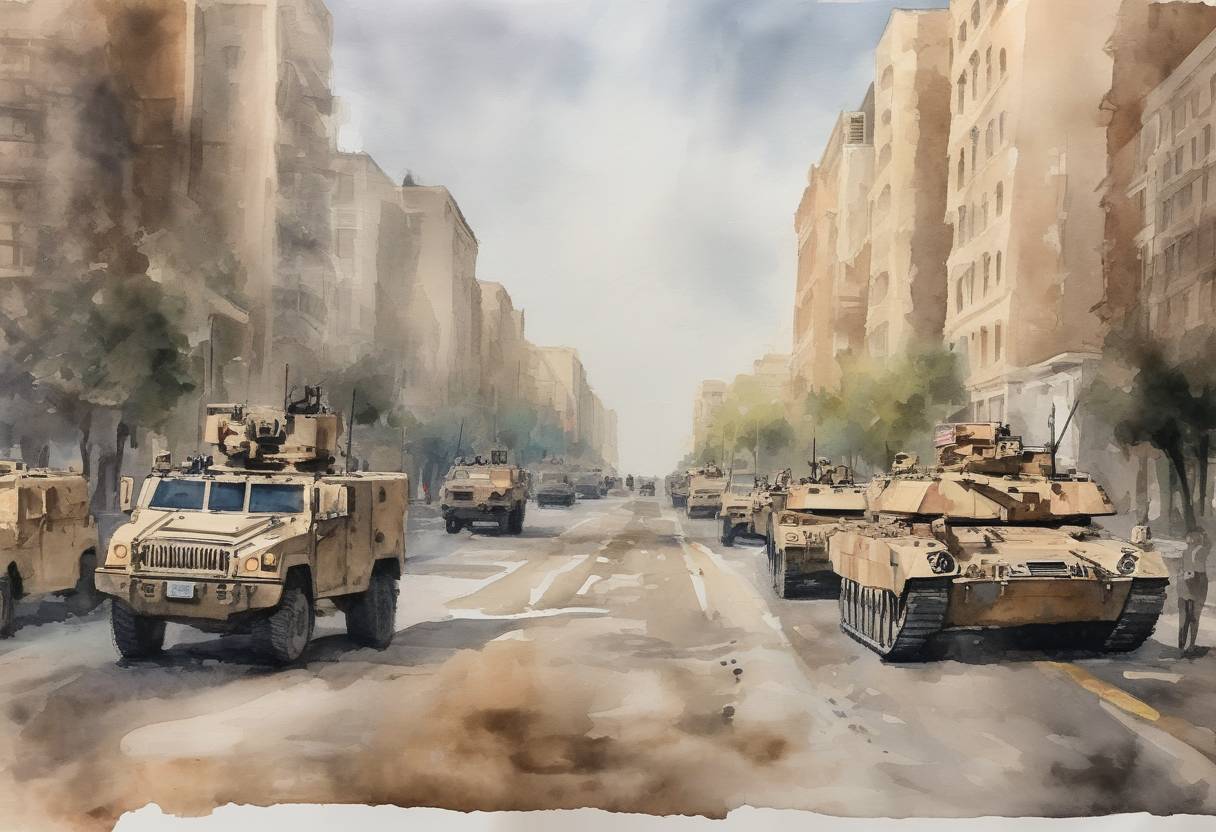
U.S. Announcement to Withdraw Troops from Syria - December 19, 2018
On December 19, 2018, the United States announced its decision to withdraw its military forces from Syria, a move that generated significant debate and concern both domestically and internationally. This decision was made public by then-President Donald Trump, who declared that the U.S. had achieved its primary objective in Syria: the defeat of the Islamic State (ISIS).
Context and Background
U.S. Involvement in Syria: The United States had been involved in Syria as part of a broader coalition to combat ISIS, which had seized large territories across Syria and Iraq. U.S. forces, numbering around 2,000 troops, were primarily engaged in supporting local Kurdish and Arab forces, known as the Syrian Democratic Forces (SDF), in their fight against ISIS.
ISIS and Regional Stability: By 2018, ISIS had lost most of its territorial holdings, and the U.S. administration viewed this as a significant victory. However, the group still maintained a presence in the region, and concerns about its resurgence persisted.
The Announcement
President Trump’s Statement: President Trump announced the withdrawal via a video message, stating, “We have won against ISIS. We’ve beaten them, and we’ve beaten them badly. We’ve taken back the land, and now it’s time for our troops to come back home.”
Policy Implications: The decision was seen as a shift in U.S. foreign policy, moving away from prolonged military engagements in the Middle East. It was part of President Trump’s broader strategy to reduce U.S. military presence overseas.
Reactions and Concerns
Domestic Reactions: The announcement drew mixed reactions within the U.S. government. Some members of Congress and military officials expressed concern that a premature withdrawal could destabilize the region and allow ISIS to regroup. Secretary of Defense James Mattis resigned shortly after the announcement, citing disagreements with the President’s approach.
International Concerns: Allies, particularly those involved in the anti-ISIS coalition, were worried about the potential power vacuum that could be exploited by other regional actors, such as Turkey, Iran, and Russia. The Kurdish forces, who had been key partners in the fight against ISIS, feared Turkish military actions against them without U.S. protection.
Aftermath and Consequences
Regional Dynamics: The announcement led to shifts in regional alliances and military strategies. Turkey launched operations against Kurdish forces, viewing them as a security threat due to their links to the Kurdistan Workers’ Party (PKK).
U.S. Policy Adjustments: Although the initial announcement suggested a rapid withdrawal, the U.S. later adjusted its plans, maintaining a smaller presence to continue counterterrorism efforts and protect oil fields in eastern Syria.
Long-term Impact: The decision highlighted the complexities of U.S. involvement in Middle Eastern conflicts and underscored the challenges of balancing military objectives with geopolitical stability.
The announcement on December 19, 2018, marked a significant moment in U.S. foreign policy, reflecting ongoing debates about military intervention and the future of American engagement in global conflicts.