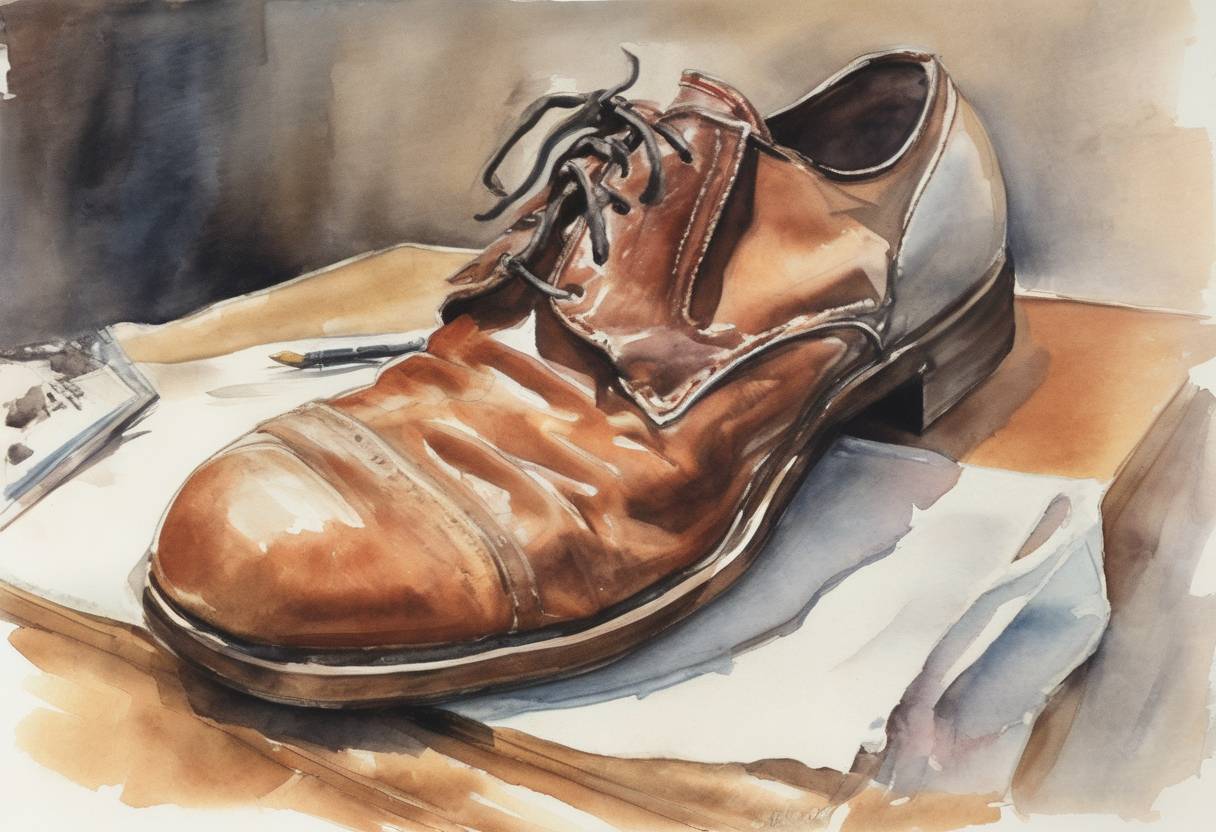
Nikita Khrushchev’s Shoe-Pounding Incident at the United Nations
On October 12, 1960, a dramatic and memorable event unfolded at the United Nations General Assembly in New York City involving Soviet Premier Nikita Khrushchev. This incident became emblematic of the intense Cold War tensions between the Soviet Union and the Western bloc, particularly the United States.
Context Leading Up to the Incident
The Cold War era was marked by ideological, political, and military rivalry between the Soviet Union and the United States. The United Nations, established in the aftermath of World War II, served as a global platform where these tensions often played out. In 1960, the General Assembly was a stage for heated debates over decolonization, the spread of communism, and the influence of superpowers in newly independent nations.
The Incident
During a session of the General Assembly, Khrushchev was reportedly incensed by a speech delivered by Lorenzo Sumulong, a delegate from the Philippines. Sumulong criticized the Soviet Union for its policies in Eastern Europe, accusing it of hypocrisy in its support for decolonization while maintaining control over Eastern European countries.
In response, Khrushchev, known for his volatile and theatrical personality, allegedly removed his shoe and began banging it on his desk in protest. This act was intended to express his vehement disapproval and to draw attention to his objections.
Aftermath and Significance
The shoe-pounding incident quickly became a symbol of the Cold War’s confrontational nature and Khrushchev’s unorthodox diplomatic style. It underscored the deep divisions within the United Nations and highlighted the challenges of achieving consensus during a period of global ideological conflict.
While some accounts of the event vary, with discrepancies about whether Khrushchev actually used his shoe or simply waved it, the incident remains a vivid illustration of the era’s tensions. It also reinforced Khrushchev’s image as a leader willing to use dramatic gestures to make his point on the international stage.
Broader Historical Impact
The incident at the United Nations was part of a series of confrontations during Khrushchev’s leadership that included the Cuban Missile Crisis and the Berlin Crisis. These events collectively shaped the trajectory of the Cold War, influencing diplomatic strategies and international relations for years to come.
In summary, Khrushchev’s shoe-pounding episode at the United Nations is remembered as a striking moment in Cold War history, reflecting the intense ideological battles of the time and the challenges of diplomacy in a divided world.