Daniel Defoe and the Pillory Incident of July 31, 1703
1703 · London, England
Daniel Defoe, the English writer, was placed in a pillory for seditious libel after publishing a pamphlet criticizing the government.
April 27, 1667
John Milton sells the copyright of 'Paradise Lost' for £10.
London, England
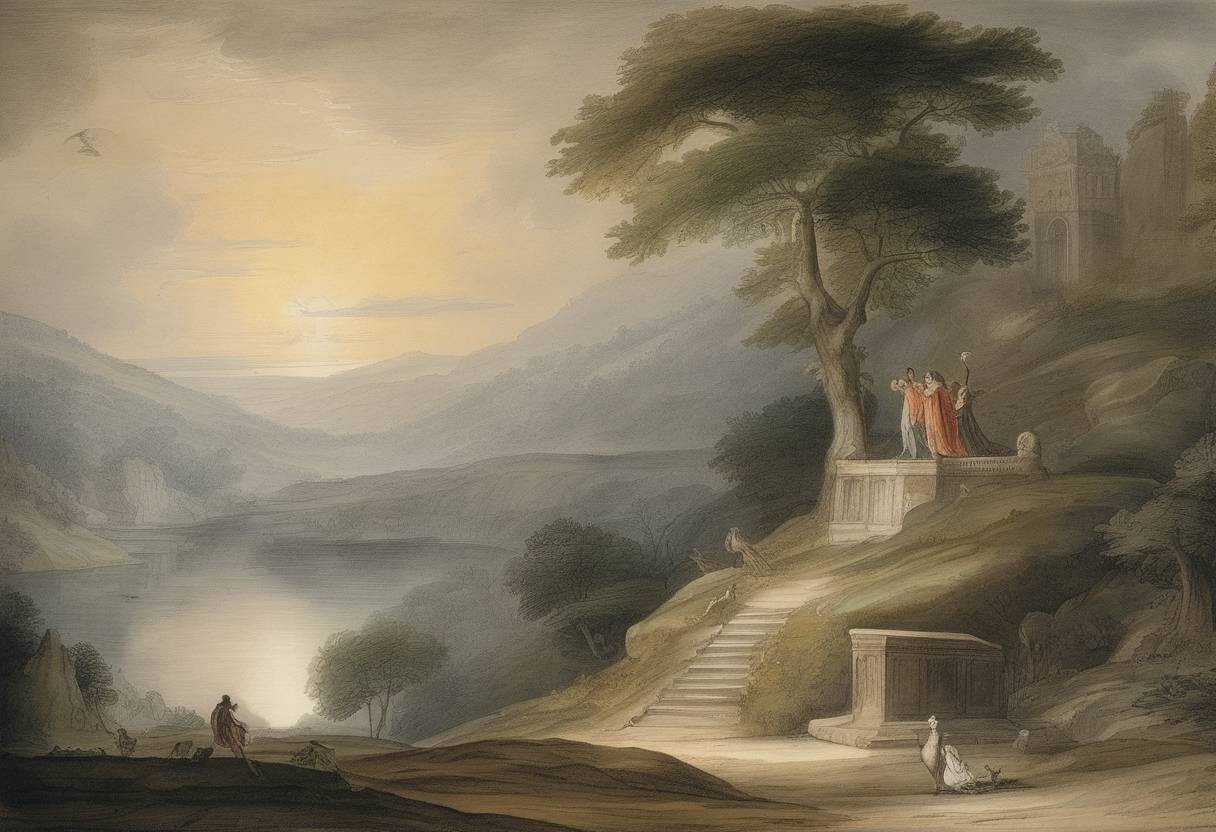
On April 27, 1667, the renowned English poet John Milton finalized the sale of the copyright for his epic poem, “Paradise Lost,” to the printer Samuel Simmons. The agreement is noted for its structured financial arrangement, which was both typical and significant for its time.
Milton’s contract with Simmons specified that he would receive £5 upfront, with further payments of £5 each to follow upon the sale of 1,300 copies of the poem’s three print runs. This deal eventually amounted to a total of £15, assuming the successful printing and selling of the initial stock, capped at a total of 3,900 copies over the course of its initial runs.
Milton, who was blind by the time of publication, depended on the help of amanuenses to transcribe his dictated verses. Despite the modest financial terms, “Paradise Lost” went on to achieve monumental success and is hailed as one of the greatest works in the English language, illustrating the epic themes of the biblical story of the Fall of Man.
The sale underscored the uncertain nature of literary success in the 17th century and highlighted the challenges faced by even the most talented authors in realizing financial gain commensurate with their works’ cultural impact. Over time, the poem’s reputation and influence grew significantly, securing John Milton’s place among the pantheon of great English poets and contributing substantially to the literary canon with its profound influence on both contemporaries and later generations.