Vincent van Gogh's Ear Incident - December 23, 1888
1888 · Arles, France
Vincent van Gogh, in a fit of madness, cut off part of his left ear in Arles, France.
July 27, 1890
Vincent van Gogh shot himself in a wheat field in Auvers-sur-Oise, France, succumbing to his injuries two days later. This marked a tragic point in the life of the influential post-impressionist painter.
Auvers-sur-Oise, France
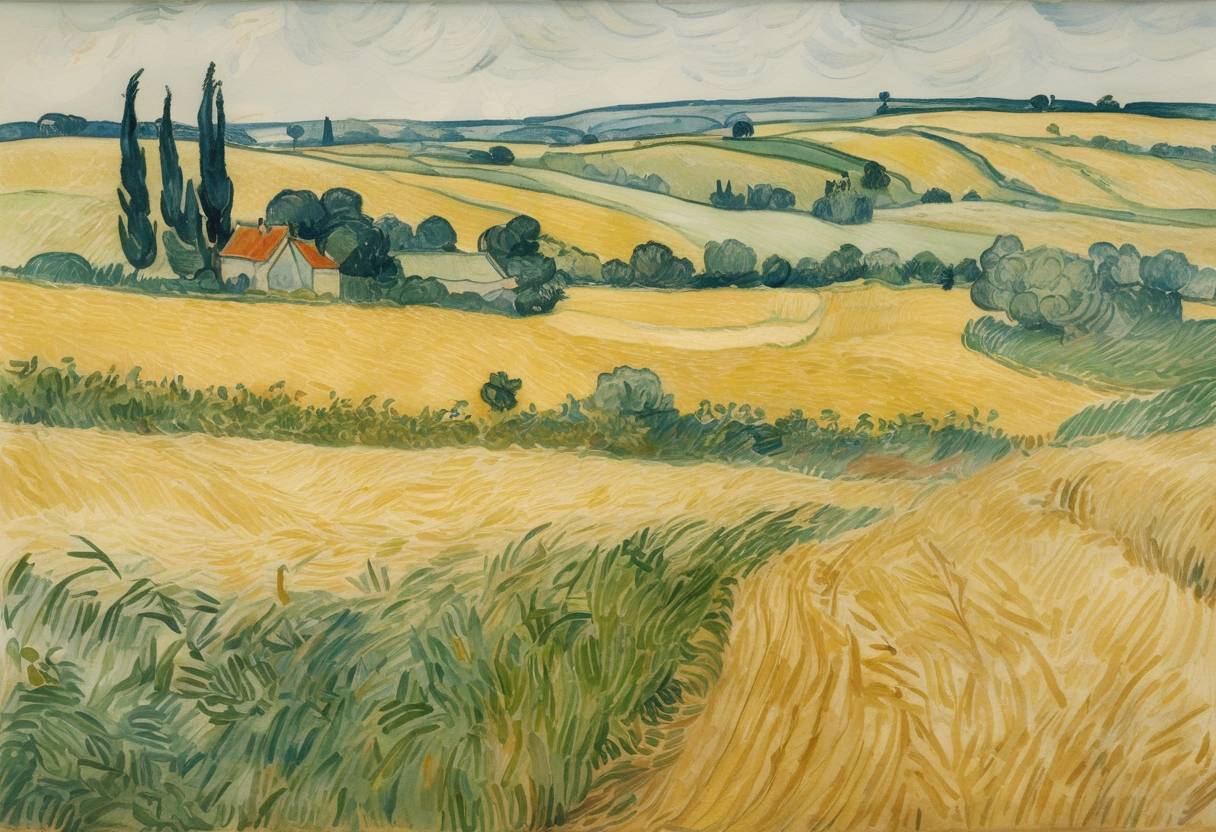
On July 27, 1890, Vincent van Gogh, the renowned Dutch post-impressionist painter, shot himself in the chest while in a wheat field just outside Auvers-sur-Oise, France. This act marked a tragic turning point in van Gogh’s troubled life, leading to his death two days later on July 29, 1890.
Van Gogh had moved to Auvers-sur-Oise in May 1890, seeking the guidance and support of Dr. Paul Gachet, who was familiar with treating patients with mental health issues. At the time, van Gogh was experiencing a period of prolific artistic output, painting over 70 canvases in the last two months of his life.
Educated guesses suggest van Gogh walked into the wheat fields with a revolver, likely borrowed from the owner of the Auberge Ravoux where he was staying. The exact motivations for his action remain uncertain. Still, it is widely considered to be a culmination of his enduring battle with severe episodes of mental illness, including hallucinations and depression, compounded by feelings of isolation.
After firing the gun, van Gogh allegedly managed to walk back to his inn, where he was discovered in a weakened state, muttering about a failed attempt to hurt himself. Despite medical attention, the bullet was not removed, and van Gogh lingered for two days before succumbing to his injuries.
Vincent van Gogh’s funeral took place in Auvers-sur-Oise, attended by his brother Theo van Gogh, as well as a handful of friends and local citizens. Theo, deeply grieving his brother’s death, passed away six months later. Van Gogh’s reputation soared posthumously, as his emotionally charged and vibrant works gained widespread acclaim, influencing countless artists and shaping modern art.
Van Gogh’s life and tragic death underscore the challenges of mental illness and the poignant connection between artistry and emotional turmoil, marking him as one of history’s most compelling and studied artists. His legacy endures through his extensive body of work, including masterpieces such as “Starry Night” and “Wheatfield with Crows,” which encapsulate his profound creative vision and complex inner world.
Source: www.britannica.com