Mission Shakti: India’s Anti-Satellite Missile Test
On March 27, 2019, India successfully conducted Mission Shakti, an anti-satellite (ASAT) missile test, marking a significant milestone in its defense capabilities. This operation made India the fourth country in the world to demonstrate the ability to destroy satellites in orbit, joining the ranks of the United States, Russia, and China.
Background
The development of ASAT capabilities is part of a broader strategy to enhance national security and assert technological prowess in space. The test was conducted by the Defence Research and Development Organisation (DRDO) in collaboration with the Indian Space Research Organisation (ISRO).
The Test
- Target Satellite: The mission targeted a live Indian satellite, Microsat-R, which was in low Earth orbit (LEO) at an altitude of approximately 300 kilometers.
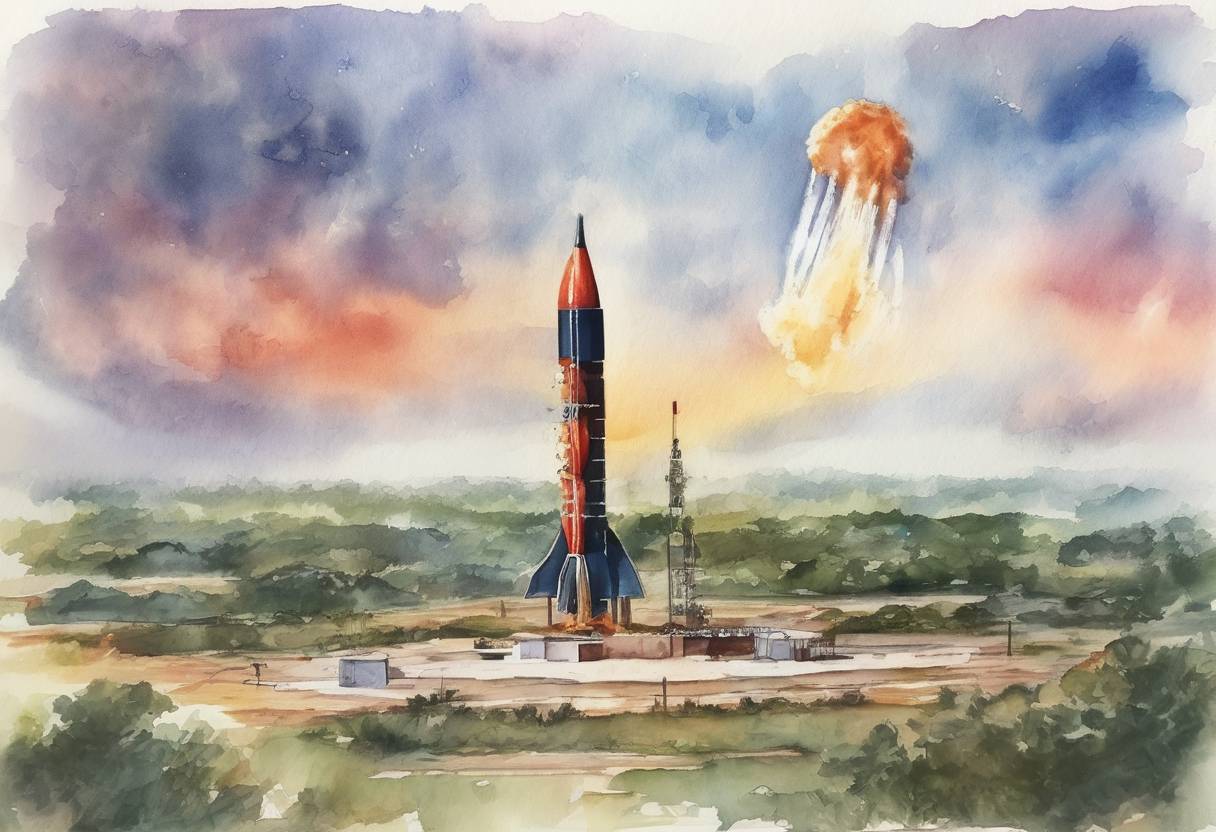
- Missile Used: The test involved a ballistic missile defense interceptor, which was modified for the ASAT role. This interceptor was launched from the Dr. A P J Abdul Kalam Island launch complex in the eastern state of Odisha.
- Outcome: The interceptor successfully struck and destroyed the satellite, demonstrating India’s capability to neutralize satellites in space.
Significance
- Strategic Implications: The successful test underscored India’s growing capabilities in space defense and its commitment to safeguarding its space assets. It also highlighted India’s entry into a select group of nations with strategic deterrence capabilities in space.
- Technological Achievement: The mission showcased India’s advancements in missile technology and space operations, reinforcing its position as a major space-faring nation.
Aftermath and Reactions
- International Reactions: The test drew varied reactions globally. While some countries expressed concerns over the potential for space debris and the militarization of space, others acknowledged India’s right to self-defense and technological advancement.
- Space Debris Concerns: The destruction of the satellite generated debris in orbit, raising concerns about the long-term sustainability of space activities. India assured the international community that the debris would decay and re-enter the Earth’s atmosphere within weeks, minimizing long-term risks.
Broader Context
Mission Shakti is part of India’s broader efforts to enhance its space capabilities, which include ambitious projects in satellite technology, space exploration, and international collaborations. The test also reflects the increasing importance of space as a domain of strategic competition and national security.
In conclusion, Mission Shakti was a landmark event in India’s space and defense history, demonstrating its technological capabilities and strategic intent in the evolving domain of space security.