Francis Xavier Arrives in Kagoshima, Japan - August 15, 1549
1549 · Kagoshima, Japan
Francis Xavier arrives in Kagoshima, Japan, as the first Jesuit missionary to the region, marking the beginning of Christian missions in Japan.
January 25, 1554
The city of São Paulo, Brazil, is founded by Jesuit priests.
São Paulo, Brazil | Society of Jesus
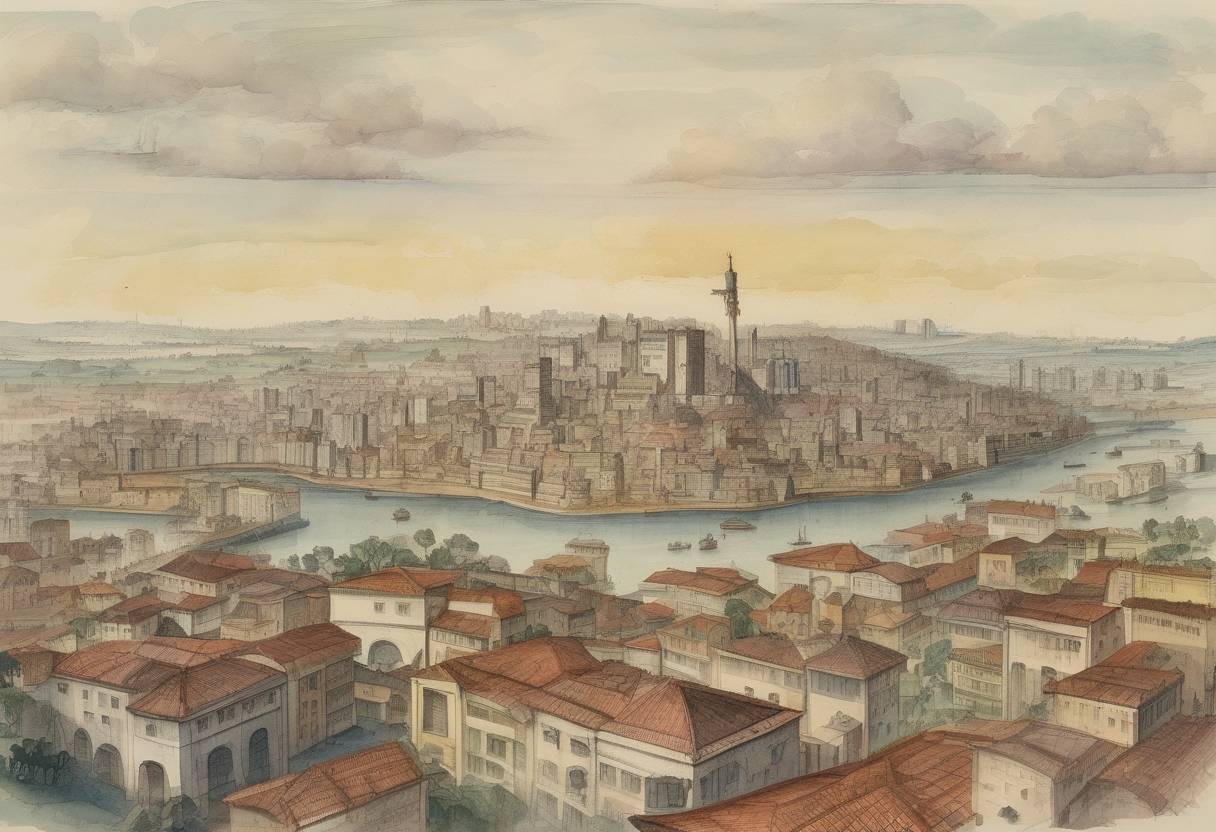
On January 25, 1554, the city of São Paulo, Brazil, was founded by Jesuit priests, marking a significant moment in the colonial history of South America. This event laid the groundwork for what would become one of the largest and most influential cities in the Southern Hemisphere.
During the mid-16th century, the Portuguese were expanding their territories in the New World. The Jesuits, a Catholic religious order known as the Society of Jesus, played a crucial role in this expansion. Their mission was to evangelize the indigenous populations and establish educational institutions.
The city was founded on the feast day of the Conversion of Saint Paul, which is why it was named São Paulo. The Jesuits established a mission school, known as a “colégio,” on a plateau between the Anhangabaú and Tamanduateí rivers. This location was strategically chosen for its defensibility and proximity to indigenous settlements.
São Paulo’s growth was fueled by waves of immigration and industrialization in the late 19th and early 20th centuries. Today, it is a vibrant metropolis known for its cultural diversity, economic power, and significant influence in Brazil and beyond.
The founding of São Paulo by Jesuit priests is a testament to the complex interplay of religion, colonization, and cultural exchange that shaped the history of Brazil. The city’s evolution from a small mission to a global city underscores the dynamic nature of urban development in the context of colonial and post-colonial history.
Source: en.wikipedia.org