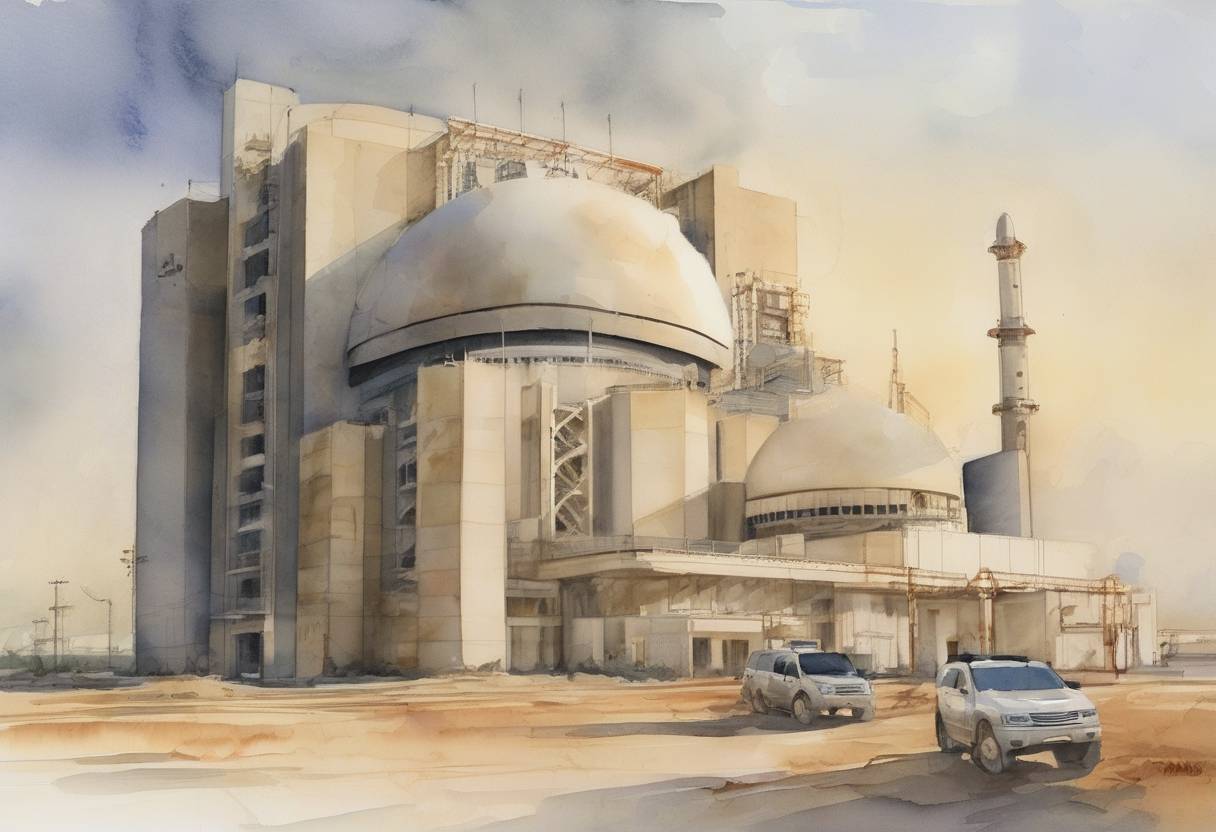
Establishment of the UAE Nuclear Energy Program
On December 18, 2006, the United Arab Emirates (UAE) announced its intention to establish a nuclear energy program, marking a significant milestone as the first country within the Gulf Cooperation Council (GCC) to pursue civilian nuclear power. This decision was driven by the UAE’s strategic goal to diversify its energy sources and meet the growing domestic electricity demand, which was projected to increase substantially due to rapid economic and population growth.
Context and Background
Energy Demand: The UAE, like many of its Gulf neighbors, heavily relied on fossil fuels for electricity generation. However, with increasing energy consumption and a desire to reduce carbon emissions, the UAE sought alternative energy sources.
Economic Diversification: As part of its broader economic diversification strategy, the UAE aimed to reduce its dependence on oil and gas revenues by investing in sustainable energy solutions.
International Cooperation: The UAE’s nuclear energy program was developed in close cooperation with international bodies to ensure compliance with global safety and non-proliferation standards. The UAE worked with the International Atomic Energy Agency (IAEA) to establish a framework that adhered to the highest standards of safety, security, and transparency.
Key Developments
Policy Framework: The UAE government released a comprehensive policy document outlining its peaceful nuclear energy program’s principles, emphasizing transparency, safety, and non-proliferation.
Partnerships and Agreements: The UAE signed bilateral agreements with several countries, including the United States, France, and South Korea, to facilitate the transfer of technology and expertise necessary for developing its nuclear infrastructure.
Barakah Nuclear Power Plant: The cornerstone of the UAE’s nuclear energy program is the Barakah Nuclear Power Plant, located in the Al Dhafra region of Abu Dhabi. Construction began in 2012, with the first reactor becoming operational in 2020. The plant is expected to provide up to 25% of the UAE’s electricity needs once fully operational.
Significance and Impact
Regional Leadership: By launching its nuclear energy program, the UAE positioned itself as a leader in the Middle East for adopting peaceful nuclear technology, setting a precedent for other GCC countries considering similar initiatives.
Environmental Goals: The nuclear energy program aligns with the UAE’s commitment to reducing carbon emissions and promoting sustainable development, contributing to global efforts to combat climate change.
Economic Benefits: The program has spurred job creation and technological advancement within the UAE, fostering a skilled workforce and enhancing the country’s scientific and engineering capabilities.
In summary, the UAE’s decision to establish a nuclear energy program on December 18, 2006, was a strategic move to address energy demands, diversify its economy, and demonstrate leadership in sustainable energy development within the region.