Conviction of Byron De La Beckwith for the Murder of Medgar Evers
1994 · Jackson, United States
Byron De La Beckwith is convicted of the 1963 murder of civil rights leader Medgar Evers, over 30 years after the crime.
June 12, 1963
Civil rights leader Medgar Evers was assassinated in Jackson, Mississippi, a pivotal event in the American Civil Rights Movement.
Jackson, United States | NAACP
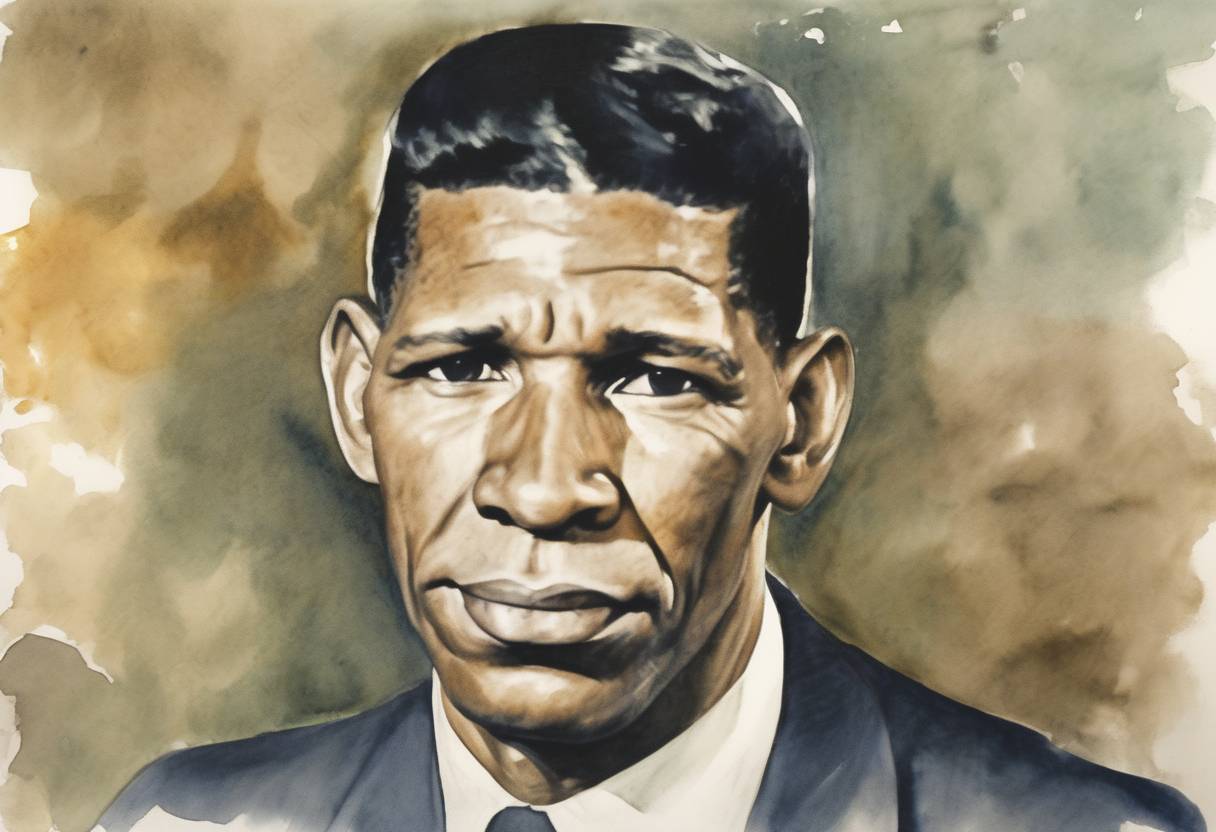
On June 12, 1963, Medgar Evers, a prominent civil rights leader, was assassinated in Jackson, Mississippi. This tragic event marked a pivotal moment in the American Civil Rights Movement, highlighting the intense racial tensions and the struggle for equality in the United States during the 1960s.
Medgar Evers was born on July 2, 1925, in Decatur, Mississippi. He served in the U.S. Army during World War II and later attended Alcorn College (now Alcorn State University), where he became active in civil rights issues. In 1954, Evers became the first field secretary for the National Association for the Advancement of Colored People (NAACP) in Mississippi. His work focused on voter registration, economic boycotts, and investigations into crimes against African Americans.
Evers was a key figure in the fight against segregation and racial injustice in Mississippi, a state known for its entrenched racial discrimination. He played a significant role in organizing boycotts and protests, and he was instrumental in efforts to desegregate the University of Mississippi. His activism made him a target of white supremacists.
On the night of June 12, 1963, Evers returned home after a meeting with NAACP lawyers. As he exited his car, he was shot in the back by a sniper. The bullet passed through his heart, and he died less than an hour later at a local hospital.
Evers’ assassination sent shockwaves across the nation and galvanized the Civil Rights Movement. His death underscored the violent resistance faced by those fighting for racial equality and highlighted the urgent need for federal civil rights legislation.
Public Reaction: The murder drew widespread condemnation and increased national attention to the civil rights struggle. Thousands attended Evers’ funeral, and he was buried with full military honors at Arlington National Cemetery.
Legal Proceedings: Byron De La Beckwith, a member of the White Citizens’ Council, was arrested and charged with Evers’ murder. However, two all-white juries failed to convict him in 1964, resulting in mistrials. It wasn’t until 1994, over 30 years later, that De La Beckwith was retried and convicted of murder, receiving a life sentence.
Legacy: Evers’ assassination became a catalyst for change, contributing to the passage of the Civil Rights Act of 1964. His widow, Myrlie Evers-Williams, continued his work, becoming a prominent civil rights activist and eventually serving as chairwoman of the NAACP.
Medgar Evers’ life and untimely death remain a testament to the courage and sacrifice of those who fought for civil rights in America. His legacy continues to inspire generations in the ongoing struggle for justice and equality.
Source: en.wikipedia.org