The Rwandan Genocide Begins - April 7, 1994
1994 · Kigali, Rwanda
The Rwandan genocide begins, leading to the mass slaughter of Tutsi by Hutu extremists over the next 100 days.
April 6, 1994
The Rwandan Genocide began following the assassination of Rwandan President Juvénal Habyarimana when his plane was shot down.
Kigali, Rwanda | Rwandan Government
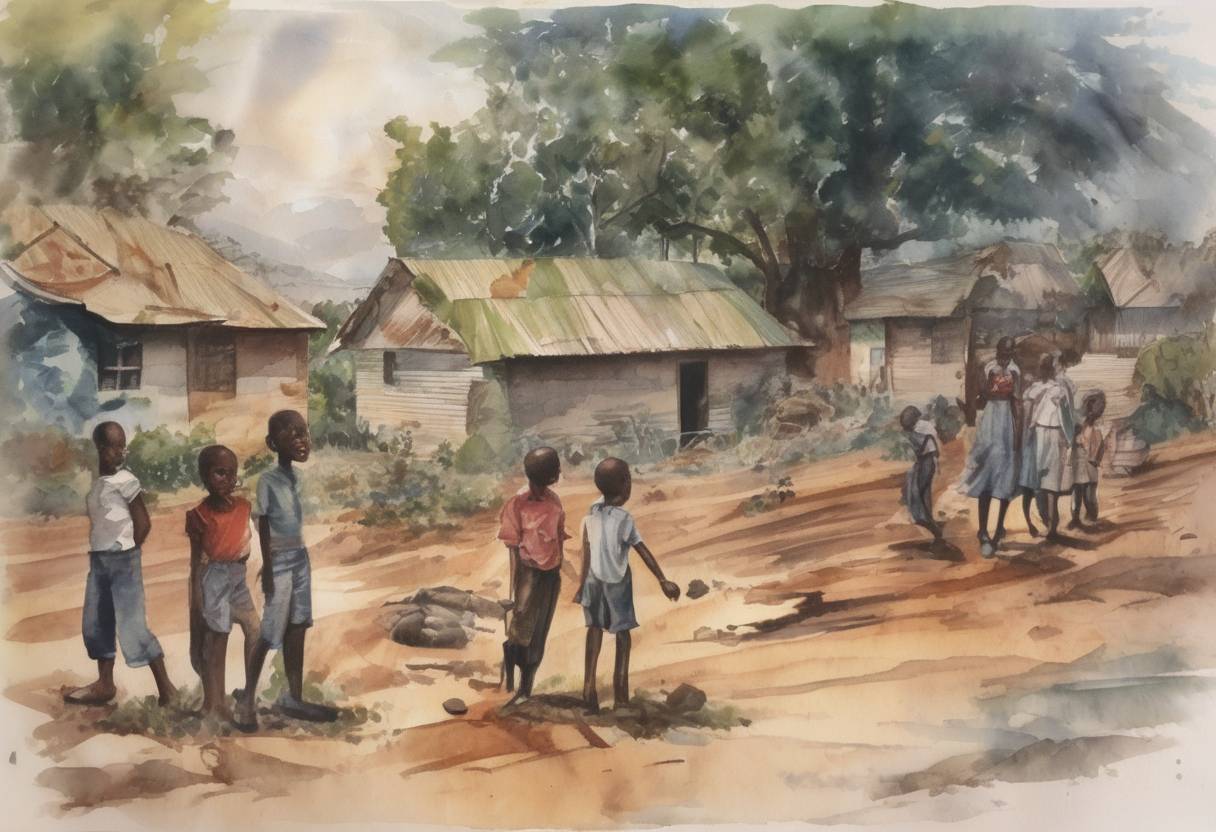
The Rwandan Genocide, one of the most horrific events of the late 20th century, began on April 6, 1994, following the assassination of Rwandan President Juvénal Habyarimana. This tragic event was a catalyst for a mass slaughter that resulted in the deaths of an estimated 800,000 people, primarily from the Tutsi ethnic minority, as well as moderate Hutus.
On the evening of April 6, 1994, President Juvénal Habyarimana’s plane was shot down near Kigali International Airport. The plane was also carrying the President of Burundi, Cyprien Ntaryamira, and several other officials. All aboard were killed. The attack’s perpetrators remain unidentified, but the incident immediately escalated tensions in Rwanda.
Ethnic Tensions: Rwanda had long-standing ethnic tensions between the majority Hutu and minority Tutsi populations. These tensions were exacerbated by colonial history and post-independence power struggles.
Habyarimana’s Regime: President Habyarimana, a Hutu, had been in power since 1973. His regime was marked by increasing ethnic polarization and the marginalization of Tutsis.
Arusha Accords: In 1993, the Arusha Accords were signed to establish peace between the Rwandan government and the Tutsi-led Rwandan Patriotic Front (RPF). However, implementation was fraught with difficulties and opposition from hardline Hutu factions.
Following the assassination, extremist Hutu factions, including the Interahamwe militia and elements of the Rwandan military, initiated a systematic campaign of violence against Tutsis and moderate Hutus. The genocide lasted approximately 100 days, from April to July 1994.
Mass Killings: The genocide was characterized by widespread massacres, with entire communities being targeted. The violence was often carried out with machetes and small arms.
Role of Media: Hate propaganda, particularly through radio broadcasts, played a significant role in inciting violence and directing attacks.
The international community was criticized for its slow and inadequate response to the genocide. Despite clear evidence of mass atrocities, the United Nations and major world powers failed to intervene effectively.
RPF Victory: The genocide ended when the RPF, led by Paul Kagame, captured Kigali and established control over the country in July 1994.
Humanitarian Crisis: The aftermath saw a massive humanitarian crisis, with millions of Rwandans displaced and seeking refuge in neighboring countries.
Justice and Reconciliation: In the years following the genocide, efforts were made to bring perpetrators to justice through the International Criminal Tribunal for Rwanda (ICTR) and local Gacaca courts. Rwanda has also undertaken significant reconciliation and rebuilding efforts.
The Rwandan Genocide remains a stark reminder of the consequences of ethnic hatred and the international community’s responsibility to prevent such atrocities. It has influenced global discussions on humanitarian intervention and the “Responsibility to Protect” doctrine.
The events of April 6, 1994, and the ensuing genocide have left an indelible mark on Rwanda and the world, highlighting the need for vigilance against ethnic violence and the importance of fostering peace and reconciliation.
Source: en.wikipedia.org