The Eighth Crusade and the Death of King Louis IX
1270 · Tunis, Tunisia
The Eighth Crusade, led by King Louis IX of France, ends with his death from dysentery in Tunis.
October 30, 1270
The Eighth Crusade ends as the Treaty of Tunis is signed, marking the conclusion of the last major crusade to the Holy Land.
Tunis, Tunisia | Crusaders and Hafsid Sultanate
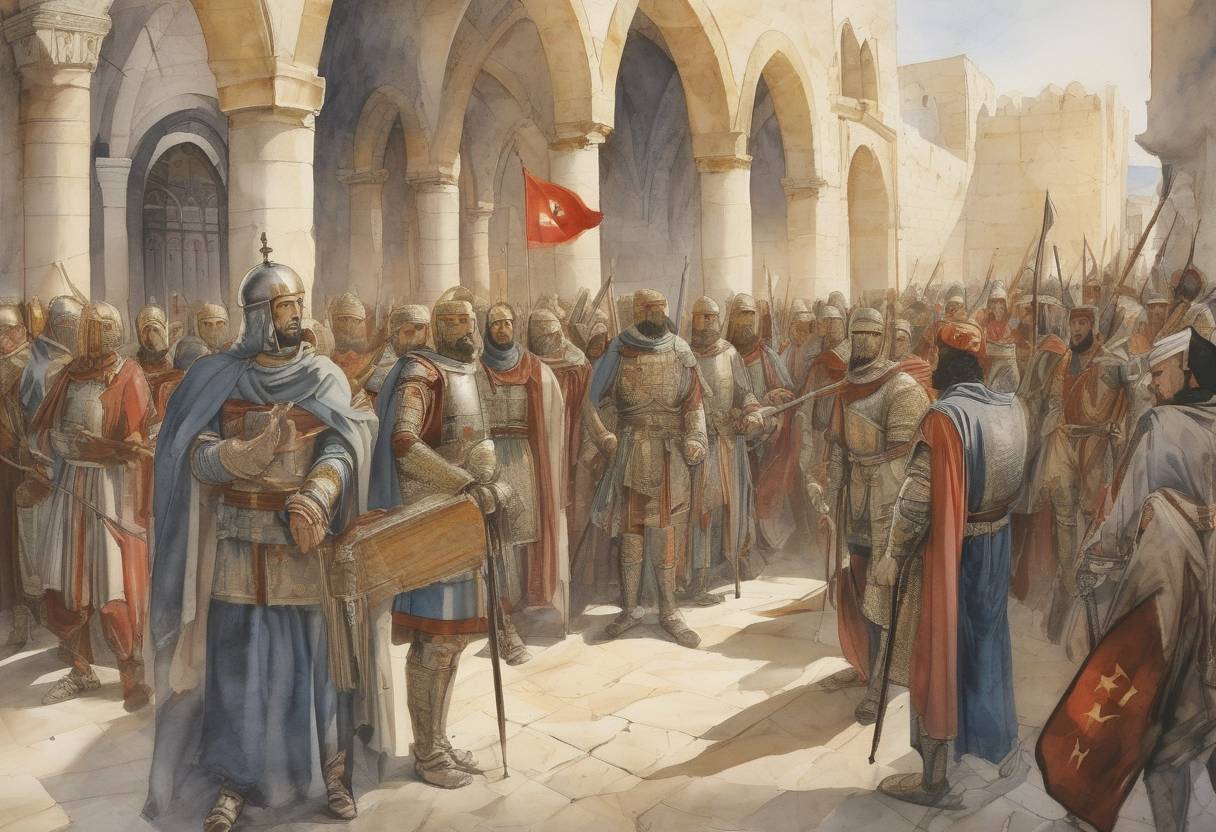
On October 30, 1270, the Eighth Crusade officially concluded with the signing of the Treaty of Tunis. This event marked the end of the last major crusade aimed at the Holy Land, although the Eighth Crusade itself was primarily directed towards North Africa rather than the Levant.
The Eighth Crusade was initiated by King Louis IX of France, who had previously led the Seventh Crusade. His motivation stemmed from a desire to strengthen Christian control in the Mediterranean and to support the Crusader states in the Holy Land, which were under increasing pressure from Muslim forces. However, instead of heading directly to the Holy Land, Louis IX targeted Tunis, believing it to be a strategic location for launching further operations and potentially converting the Muslim ruler of Tunis to Christianity.
Departure and Arrival: In 1270, Louis IX set sail for Tunis with a large army. The crusaders arrived in July, but the campaign quickly faced significant challenges.
Challenges and Setbacks: The crusading forces were beset by a lack of supplies and the outbreak of disease, notably dysentery and possibly typhus, which ravaged the camp. The situation worsened when King Louis IX himself succumbed to illness and died on August 25, 1270.
Negotiations: Following the death of Louis IX, his brother Charles of Anjou took command. Recognizing the dire circumstances, Charles initiated negotiations with the Sultan of Tunis, Muhammad I al-Mustansir.
The Treaty of Tunis was signed on October 30, 1270, bringing the Eighth Crusade to an end. The terms of the treaty were as follows:
Trade Agreements: The treaty established favorable trade terms for the French and other European merchants, allowing them access to Tunisian markets.
Tribute: The Sultan agreed to pay a tribute to Charles of Anjou, which was seen as a diplomatic victory for the crusaders.
Safe Passage: The treaty ensured the safe withdrawal of the crusading forces from Tunis, allowing them to return to Europe without further conflict.
The Eighth Crusade’s conclusion with the Treaty of Tunis marked the end of Louis IX’s crusading efforts and underscored the shifting focus of European powers from the Holy Land to other regions. The failure to achieve significant military or religious objectives in Tunis highlighted the waning enthusiasm and effectiveness of the crusading movement by the late 13th century.
The treaty also demonstrated the increasing importance of diplomacy and trade in medieval geopolitics, as European powers began to prioritize economic interests over religious conquest. The Eighth Crusade, while not achieving its intended goals, set the stage for future interactions between Europe and North Africa, emphasizing negotiation over warfare.
In summary, the Treaty of Tunis on October 30, 1270, symbolized the end of an era in crusading history, marking a transition towards new forms of engagement between Christian and Muslim worlds.
Source: en.wikipedia.org