Introduction of the Computer Mouse by Xerox PARC on April 27, 1981
1981 · Palo Alto, United States
Xerox PARC introduced the computer mouse to the public, revolutionizing personal computing.
September 30, 1980
Digital Equipment Corporation, Intel, and Xerox introduce the DIX standard for Ethernet, which becomes the basis for IEEE 802.3.
Palo Alto, United States | Digital Equipment Corporation
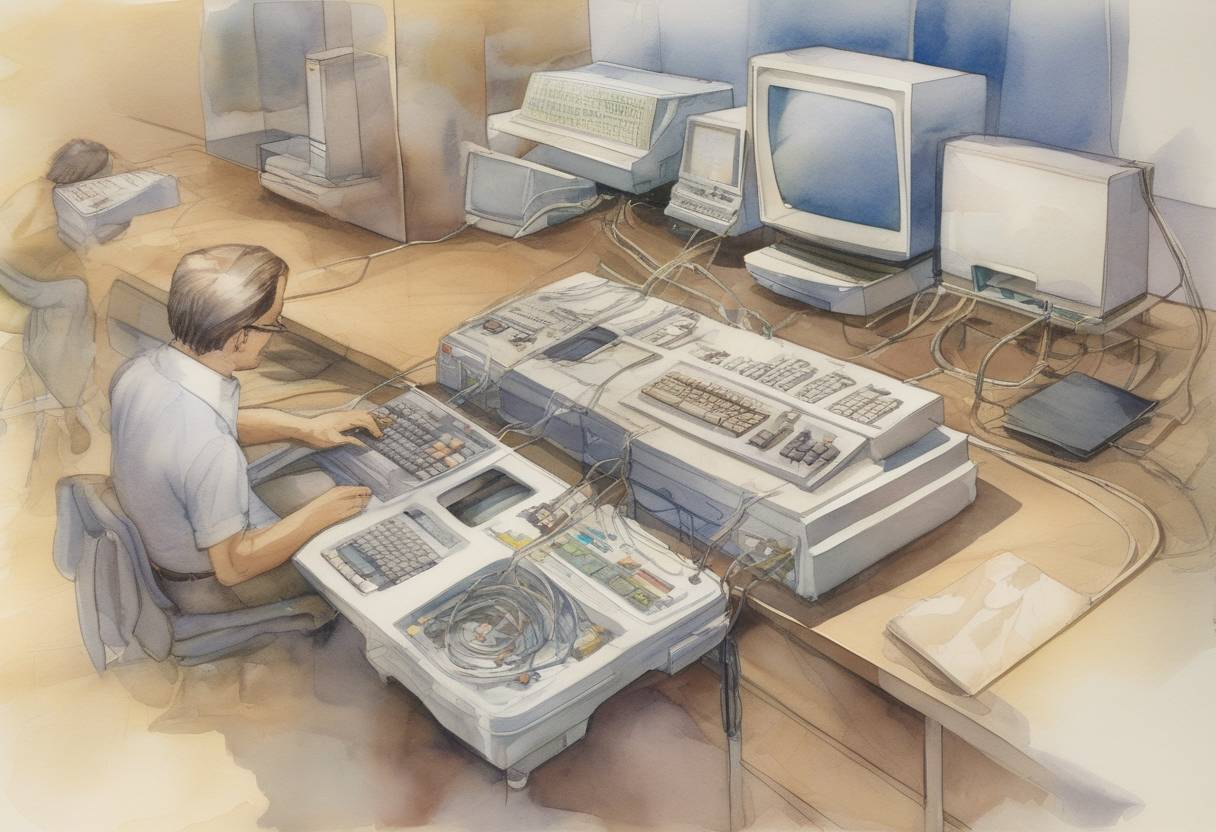
On September 30, 1980, a significant milestone in the development of computer networking was achieved with the introduction of the DIX standard for Ethernet. This collaborative effort was spearheaded by three major technology companies: Digital Equipment Corporation (DEC), Intel, and Xerox. The DIX standard laid the groundwork for what would eventually become the IEEE 802.3 standard, a cornerstone of modern Ethernet technology.
Ethernet technology was initially developed in the 1970s by Robert Metcalfe and his team at Xerox PARC (Palo Alto Research Center). The goal was to create a network system that could connect computers over short distances, such as within a building, using coaxial cables. This innovation was crucial for the development of local area networks (LANs).
By the late 1970s, the potential of Ethernet as a networking standard was evident, but widespread adoption required a formalized standard that could be universally implemented. Recognizing this need, DEC, Intel, and Xerox joined forces to create a standardized version of Ethernet that could be adopted by the industry.
The DIX standard, named after the initials of the three companies, introduced several key features that would become integral to Ethernet technology:
The introduction of the DIX standard was a pivotal moment in networking history. It provided a reliable and efficient framework for Ethernet technology, facilitating its adoption across various industries. The standard’s open nature encouraged widespread implementation and innovation, leading to the rapid expansion of Ethernet networks.
Following the introduction of the DIX standard, the Institute of Electrical and Electronics Engineers (IEEE) began working on formalizing Ethernet as an official standard. This effort culminated in the publication of the IEEE 802.3 standard in 1983, which was largely based on the DIX specification.
The IEEE 802.3 standard cemented Ethernet’s position as the dominant LAN technology. Its scalability, reliability, and cost-effectiveness have made it the backbone of networking infrastructure worldwide. Over the years, Ethernet has evolved to support higher data rates and new media types, but the foundational principles established by the DIX standard remain integral to its design.
The introduction of the DIX standard on September 30, 1980, was a landmark event that set the stage for the widespread adoption of Ethernet technology. By establishing a robust and flexible framework for networking, DEC, Intel, and Xerox played a crucial role in shaping the future of digital communication. The subsequent development of the IEEE 802.3 standard ensured that Ethernet would continue to evolve and meet the growing demands of the digital age.
Source: en.wikipedia.org