The Rana Plaza Building Collapse: April 24, 2013
2013 · Dhaka, Bangladesh
The Rana Plaza building collapses in Dhaka, Bangladesh, killing over 1,100 people in one of the deadliest garment factory accidents in history.
November 24, 2018
A fire in a garment factory in Dhaka, Bangladesh, resulted in the deaths of at least 112 workers, highlighting ongoing safety issues in the country's garment industry.
Dhaka, Bangladesh | Tazreen Fashions
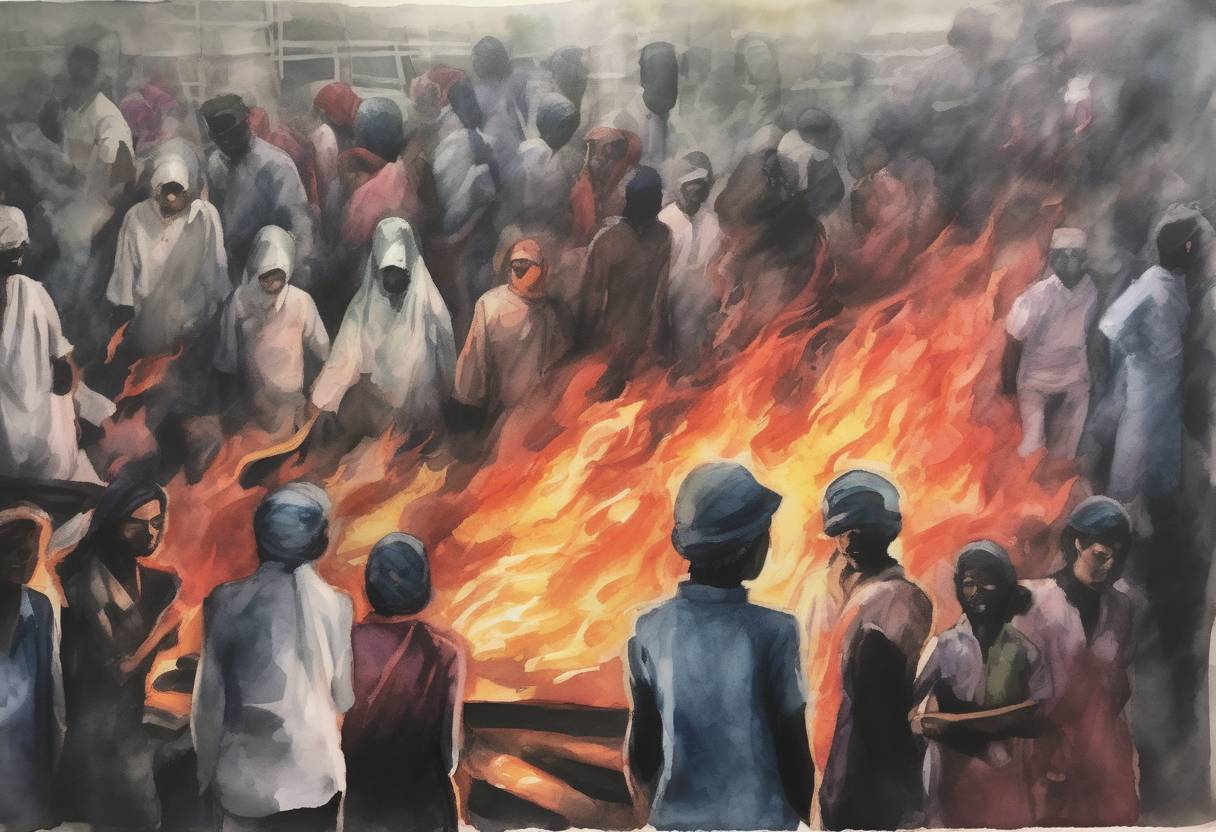
On November 24, 2018, a tragic fire broke out in a garment factory in Dhaka, Bangladesh, resulting in the deaths of at least 112 workers. This incident underscored the persistent safety issues plaguing the country’s garment industry, which is a critical component of Bangladesh’s economy.
The garment industry in Bangladesh is one of the largest in the world, second only to China. It employs millions of workers, predominantly women, and is a significant contributor to the country’s GDP. However, the industry has been marred by a history of poor working conditions, inadequate safety measures, and insufficient regulatory oversight.
The fire occurred in a factory located in the Ashulia industrial area on the outskirts of Dhaka. Initial reports suggested that the fire spread rapidly due to the presence of flammable materials and the lack of proper fire safety equipment. Many workers were trapped inside the building, unable to escape due to locked exits and inadequate emergency protocols.
Safety Violations: The fire brought to light numerous safety violations, including blocked fire exits, lack of fire alarms, and insufficient fire-fighting equipment.
Regulatory Oversight: The incident highlighted the need for stricter enforcement of safety regulations and more rigorous inspections of factory premises.
Worker Rights: It underscored the ongoing struggle for workers’ rights in Bangladesh, emphasizing the need for better working conditions and fair treatment.
International Outcry: The fire drew international attention and condemnation, prompting calls for reforms in the garment industry.
Government Response: The Bangladeshi government faced pressure to improve safety standards and enforce existing regulations more effectively.
Industry Reforms: In the wake of the tragedy, there were renewed efforts to implement safety improvements, including the Accord on Fire and Building Safety in Bangladesh, which aimed to enhance factory safety through inspections and renovations.
This incident was not isolated; it was part of a series of industrial disasters in Bangladesh that highlighted systemic issues within the garment sector. It served as a catalyst for change, pushing both local and international stakeholders to prioritize worker safety and rights. The tragedy also reinforced the importance of ethical sourcing and corporate responsibility in the global supply chain.
In conclusion, the fire in Dhaka on November 24, 2018, was a somber reminder of the human cost of neglecting industrial safety and the urgent need for comprehensive reforms to protect workers in Bangladesh’s garment industry.
Source: www.bbc.com