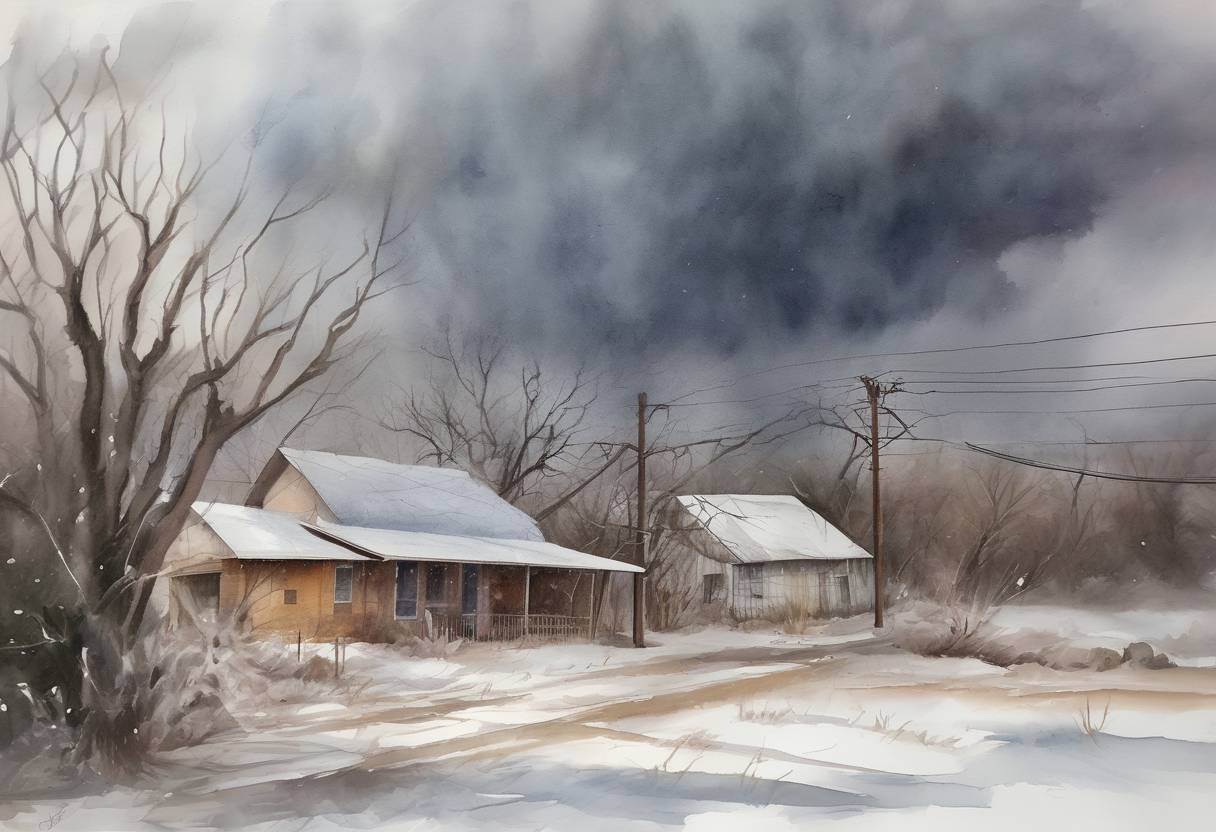
February 13, 2021: Major Winter Storm Impacts the United States
On February 13, 2021, a significant winter storm began to affect large portions of the United States, leading to widespread disruptions, particularly in Texas. This event was part of a broader series of winter storms that swept across the country in February 2021, causing severe weather conditions and highlighting vulnerabilities in infrastructure.
Context and Background
- Polar Vortex: The storm was influenced by a polar vortex, a large area of low pressure and cold air surrounding the Earth’s poles. In early 2021, the polar vortex weakened, allowing frigid Arctic air to plunge southward into the United States.
- Weather Patterns: The storm was characterized by a combination of heavy snowfall, freezing rain, and record-low temperatures, affecting states from the Pacific Northwest to the Southeast.
Key Events
- Texas Power Crisis: Texas was particularly hard-hit due to its unique power grid, which is largely isolated from the rest of the country. The Electric Reliability Council of Texas (ERCOT) faced unprecedented demand as temperatures plummeted, leading to rolling blackouts and widespread power outages.
- Infrastructure Failures: The storm exposed weaknesses in Texas’s energy infrastructure, including frozen natural gas pipelines and wind turbines, as well as failures in coal and nuclear plants.
- Human Impact: Millions of Texans were left without power, heat, and water for several days. The storm resulted in at least 246 deaths across the state, with hypothermia being a significant cause.
Broader Impact
- National Disruptions: The storm affected transportation, with thousands of flights canceled and major highways closed. It also disrupted COVID-19 vaccination efforts across multiple states.
- Economic Consequences: The economic impact was substantial, with estimates of damages and losses reaching billions of dollars. The energy sector, in particular, faced significant scrutiny and calls for reform.
- Policy and Infrastructure: In the aftermath, there were widespread calls for improvements in infrastructure resilience and energy policy reforms to prevent future crises. Texas lawmakers and energy regulators faced pressure to winterize the state’s power grid and diversify energy sources.
Historical Significance
The February 2021 winter storm underscored the importance of infrastructure resilience in the face of extreme weather events, which are becoming more frequent due to climate change. It also highlighted the interconnectedness of energy, policy, and public safety, prompting discussions on how to better prepare for and mitigate such crises in the future.