Death of Henry IV and Accession of Henry V
1413 · London, England
Henry IV of England died, leading to the accession of his son, Henry V.
April 3, 1367
Henry IV of England was born.
Bolingbroke, England | English Monarchy
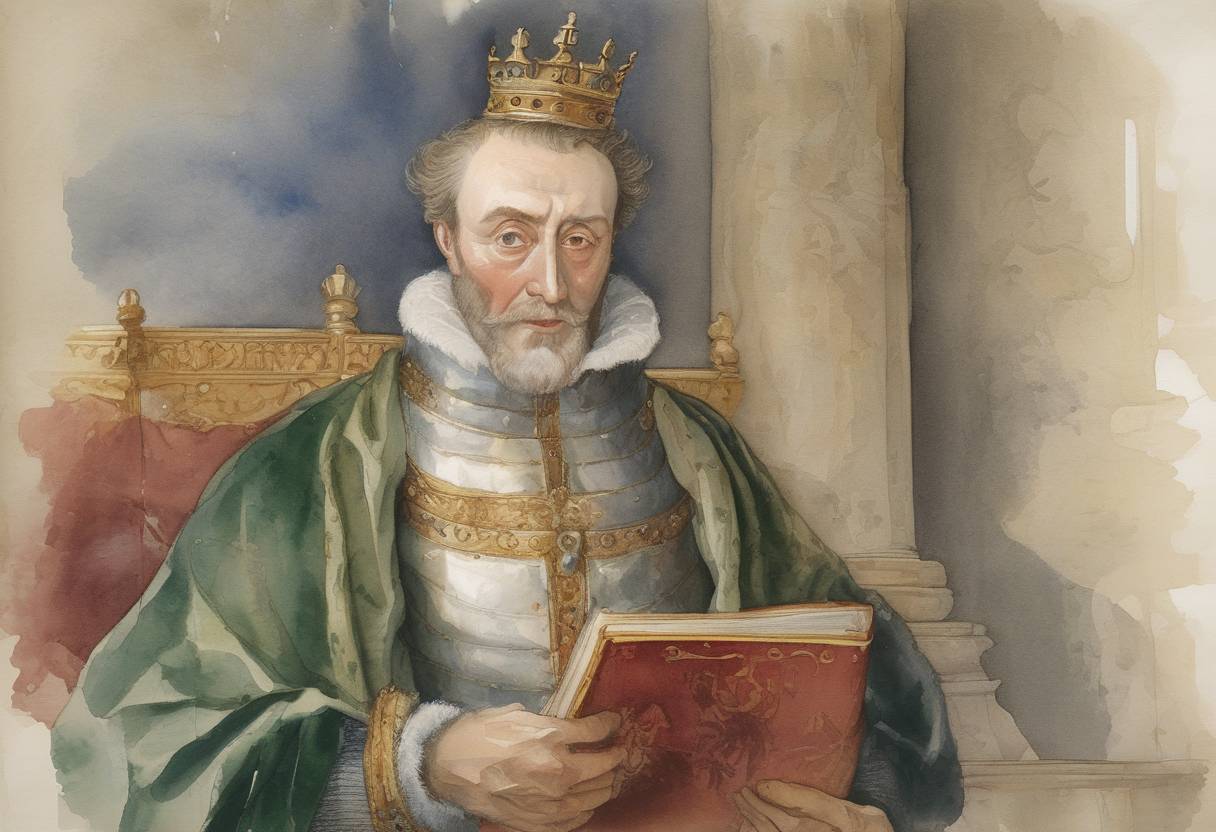
Henry IV of England was born on April 3, 1367, at Bolingbroke Castle in Lincolnshire, England. He was the son of John of Gaunt, Duke of Lancaster, and Blanche of Lancaster. His birth into the powerful Lancaster family positioned him as a significant figure in English nobility from the outset.
Family Lineage: Henry was a member of the Plantagenet dynasty, which had ruled England since the 12th century. His father, John of Gaunt, was the third son of King Edward III, making Henry a grandson of the king. This connection placed him in the line of succession, albeit not directly.
Political Climate: The period was marked by political instability and ongoing conflicts, including the Hundred Years’ War between England and France. The English crown faced challenges both abroad and domestically, with various factions vying for power and influence.
Marriage of Parents: John of Gaunt married Blanche of Lancaster in 1359, uniting two powerful noble families. Their marriage brought significant wealth and land to the Lancaster family, further solidifying their influence in English politics.
Lancaster’s Influence: The Lancaster family held considerable sway in the English court, with John of Gaunt serving as a key advisor to his father, King Edward III. This influence would later play a crucial role in Henry’s rise to power.
Heir to Lancaster: As the eldest son of John of Gaunt, Henry was the heir to the vast Lancaster estates. This inheritance provided him with the resources and support necessary for his future political ambitions.
Future King: Henry’s birth set the stage for his eventual ascension to the English throne. He would become King Henry IV in 1399, after deposing his cousin, King Richard II, marking the beginning of the Lancastrian branch of the Plantagenet dynasty.
Reign as King: Henry IV’s reign was characterized by efforts to consolidate power and address internal strife, including rebellions and challenges to his legitimacy. His rule laid the groundwork for the Wars of the Roses, a series of dynastic conflicts that would dominate England in the latter half of the 15th century.
Legacy: Henry IV’s legacy is a complex one, marked by both his successful seizure of the throne and the subsequent turmoil that his actions helped to instigate. His reign is often seen as a pivotal moment in the history of the English monarchy, setting the stage for future conflicts over succession and governance.
Henry IV’s birth on April 3, 1367, was a significant event in English history, heralding the rise of a king whose actions would have lasting impacts on the nation’s political landscape.
Source: www.britannica.com