The First Publication of *The Diary of a Young Girl* by Anne Frank
1947 · Amsterdam, Netherlands
The Diary of a Young Girl by Anne Frank was published for the first time in the Netherlands.
August 23, 1948
The World Council of Churches was founded in Amsterdam.
Amsterdam, Netherlands | World Council of Churches
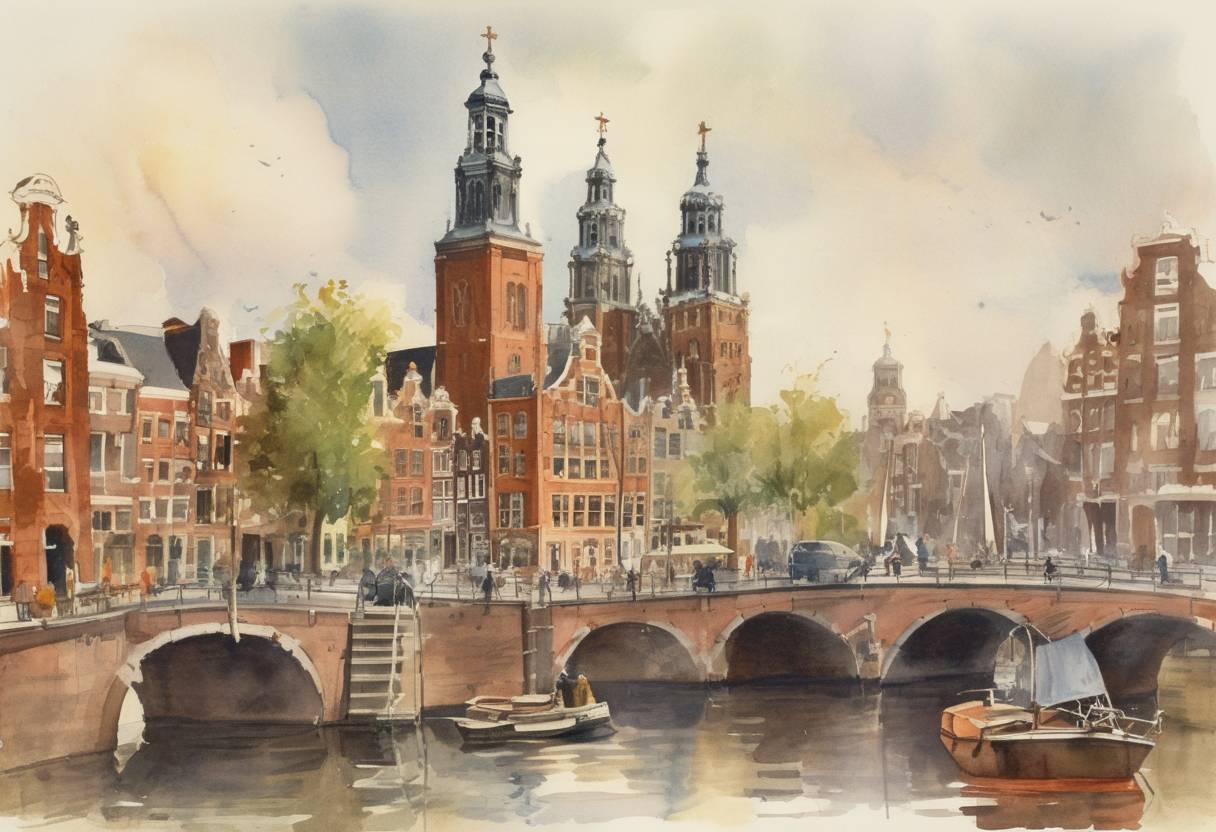
On August 23, 1948, the World Council of Churches (WCC) was officially founded in Amsterdam, marking a significant moment in the history of ecumenical movements. This event brought together representatives from 147 churches in 44 countries, aiming to foster unity among Christian denominations worldwide.
The idea of forming an ecumenical body had been in discussion since the early 20th century. The devastation of World War I and the subsequent global conflicts highlighted the need for greater unity and cooperation among Christian churches. The movement gained momentum in the 1920s and 1930s, with various conferences and initiatives aimed at promoting dialogue and collaboration among different Christian traditions.
1920s-1930s: Several ecumenical conferences were held, including the Universal Christian Conference on Life and Work in Stockholm (1925) and the World Conference on Faith and Order in Lausanne (1927). These gatherings laid the groundwork for a more formalized ecumenical organization.
1937: The Faith and Order Movement and the Life and Work Movement, two major ecumenical initiatives, decided to merge their efforts towards forming a World Council of Churches.
World War II: The outbreak of the war delayed the establishment of the WCC, but it also underscored the necessity for a unified Christian voice in addressing global issues.
The inaugural assembly in Amsterdam was a landmark event, bringing together a diverse group of Christian denominations, including Orthodox, Anglican, Baptist, Lutheran, Methodist, and Reformed churches. The assembly focused on the theme “Man’s Disorder and God’s Design,” addressing the challenges facing humanity in the post-war world and the role of the church in promoting peace and justice.
Constitution and Structure: The assembly adopted a constitution for the WCC, establishing its structure and governance. The council was designed to be a fellowship of churches that confess the Lord Jesus Christ as God and Savior according to the Scriptures and seek to fulfill their common calling to the glory of the one God, Father, Son, and Holy Spirit.
Commitment to Unity: The WCC committed to fostering greater unity among Christian denominations, promoting theological dialogue, and addressing social and ethical issues from a Christian perspective.
The founding of the WCC was a pivotal moment in the ecumenical movement, representing a significant step towards greater Christian unity. It provided a platform for churches to collaborate on issues such as social justice, peace, and human rights, and to engage in theological dialogue.
Over the years, the WCC has played a crucial role in advocating for peace and reconciliation, supporting the anti-apartheid movement in South Africa, and addressing global issues such as poverty, climate change, and interfaith dialogue.
The establishment of the World Council of Churches in 1948 was a milestone in the quest for Christian unity and cooperation. It continues to be an influential body in the global Christian community, promoting dialogue and collaboration among diverse Christian traditions and addressing pressing global challenges.
Source: en.wikipedia.org