Angola Gains Independence from Portugal
1975 · Luanda, Angola
Angola gained independence from Portugal, marking the end of Portuguese colonial rule in Africa and the beginning of a prolonged civil war.
September 7, 1822
Brazil declared its independence from Portugal, marking the beginning of the Empire of Brazil.
São Paulo, Brazil | Empire of Brazil
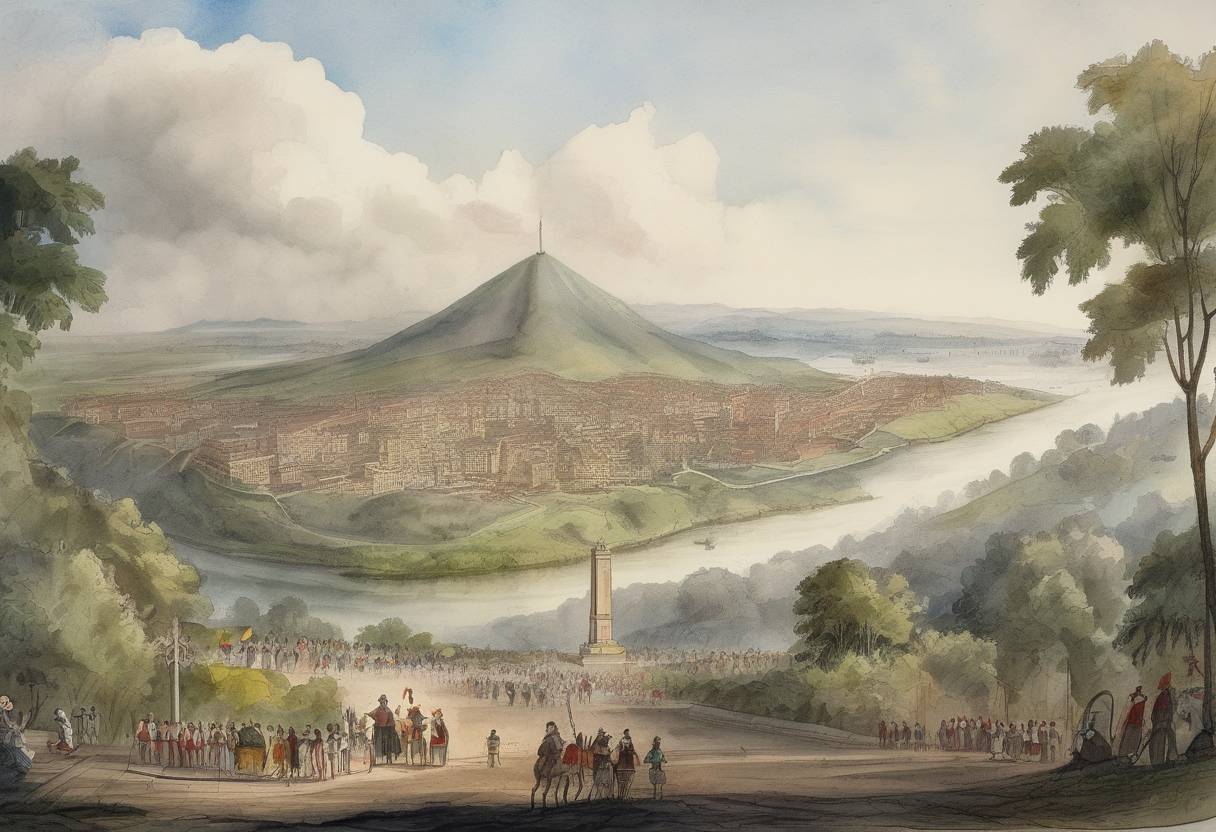
On September 7, 1822, Brazil declared its independence from Portugal, marking the beginning of the Empire of Brazil. This pivotal moment in Brazilian history was the culmination of a series of political and social changes that had been unfolding over the preceding years.
Colonial Ties: Brazil had been a Portuguese colony since the early 16th century. Over the centuries, it became an integral part of the Portuguese Empire, contributing significantly to its wealth through resources like sugar, gold, and coffee.
Napoleonic Wars: The early 19th century saw the Napoleonic Wars disrupt Europe. In 1807, the Portuguese royal family fled to Brazil to escape Napoleon’s advancing armies, establishing Rio de Janeiro as the de facto capital of the Portuguese Empire.
Rise of Brazilian Nationalism: The presence of the royal court in Brazil led to significant administrative and economic changes, fostering a sense of autonomy and national identity among Brazilians. The return of King João VI to Portugal in 1821 left his son, Dom Pedro, as regent in Brazil.
Political Tensions: The Portuguese Cortes (parliament) sought to reinstate colonial status on Brazil, which was met with resistance from Brazilian leaders who had grown accustomed to greater autonomy.
Dom Pedro’s Role: Dom Pedro played a crucial role in the independence movement. Pressured by both Brazilian nationalists and Portuguese loyalists, he famously declared “Fico” (“I am staying”) in January 1822, signaling his intention to remain in Brazil and support its autonomy.
The Cry of Ipiranga: On September 7, 1822, while traveling from São Paulo to Rio de Janeiro, Dom Pedro received news of the Portuguese Cortes’ attempts to diminish his power. In response, he declared Brazil’s independence from Portugal at the banks of the Ipiranga River, reportedly exclaiming “Independência ou Morte!” (“Independence or Death!”).
Empire of Brazil: Following the declaration, Dom Pedro became Emperor Pedro I of Brazil, establishing the Empire of Brazil. This marked the beginning of a constitutional monarchy that lasted until 1889.
International Recognition: Brazil’s independence was gradually recognized by other nations, with Portugal formally acknowledging it in 1825 after negotiations and a financial settlement.
Legacy: The independence of Brazil set the stage for its development as a sovereign nation. It also influenced other independence movements in Latin America, contributing to the broader decline of European colonialism in the region.
Brazil’s independence is celebrated annually on September 7th as a national holiday, known as “Dia da Independência” or “Sete de Setembro,” commemorating the country’s journey to sovereignty and self-determination.
Source: en.wikipedia.org