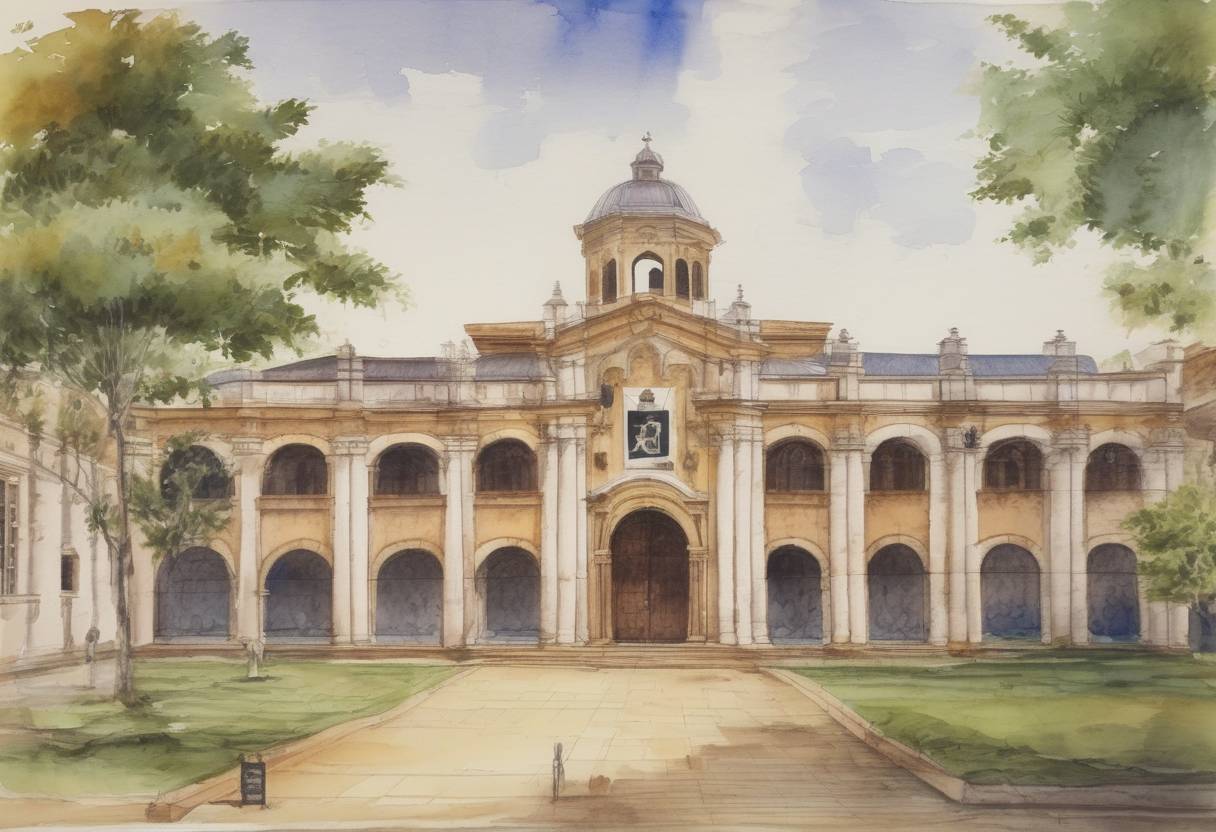
Establishment of Universidad Santo Tomás de Aquino
On October 28, 1538, the Universidad Santo Tomás de Aquino was established in what is now the Dominican Republic, marking a significant milestone in the history of education in the New World. This institution is recognized as the first university in the Americas, reflecting the early Spanish efforts to extend educational and religious instruction to their colonies.
Historical Context
Spanish Colonization: The establishment of the university occurred during the period of Spanish colonization, which began with Christopher Columbus’s arrival in the Caribbean in 1492. The island of Hispaniola, where the university was founded, was one of the first areas to be colonized by the Spanish.
Religious Influence: The Catholic Church played a crucial role in the colonization process, and education was seen as a means to spread Christianity and European cultural values. The Dominicans, a Catholic religious order, were instrumental in the founding of the university.
Key Events Leading to the Establishment
Foundation by Papal Bull: The university was established by a papal bull issued by Pope Paul III. This official decree underscored the importance of religious and academic instruction in the colonies.
Role of the Dominicans: The Dominican Order, known for its commitment to education and scholarship, was pivotal in the university’s creation. They aimed to educate both the European settlers and the indigenous population.
Significance and Impact
Educational Pioneer: As the first university in the Americas, Universidad Santo Tomás de Aquino set a precedent for higher education in the New World. It laid the groundwork for the establishment of other universities across the continent.
Cultural and Intellectual Hub: The university became a center for theological and philosophical studies, contributing to the intellectual and cultural development of the region.
Legacy: Although the original university ceased to exist in its initial form, its legacy continues through the Universidad Autónoma de Santo Domingo, which traces its roots back to this early institution.
Aftermath and Consequences
Spread of Education: The establishment of Universidad Santo Tomás de Aquino inspired the creation of other educational institutions in the Spanish colonies, promoting literacy and learning.
Colonial Influence: The university served as a tool for the Spanish Crown to exert cultural and ideological influence over the New World, reinforcing colonial structures and religious doctrines.
In summary, the founding of Universidad Santo Tomás de Aquino on October 28, 1538, was a landmark event in the history of education in the Americas. It not only marked the beginning of higher education in the New World but also played a significant role in the cultural and religious life of the Spanish colonies.