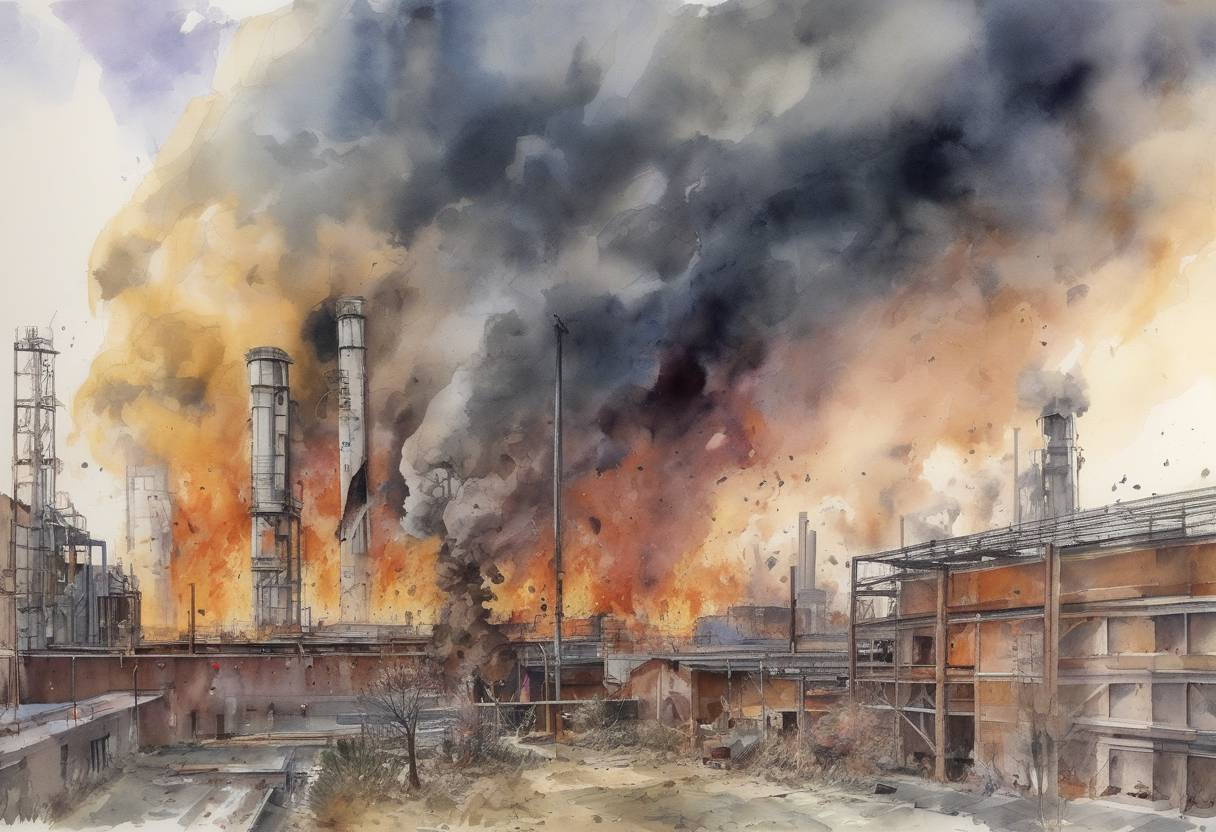
The AZF Chemical Factory Explosion in Toulouse, France
Overview
On September 21, 2001, a catastrophic explosion occurred at the AZF (Azote de France) chemical factory in Toulouse, France. This tragic event resulted in the deaths of 31 people and left over 2,500 individuals injured. The explosion caused extensive damage to the surrounding area, raising significant concerns about industrial safety and regulatory oversight.
Background
The AZF factory, owned by the Grande Paroisse subsidiary of the TotalFinaElf group, was one of the largest chemical plants in France. It primarily produced fertilizers, including ammonium nitrate, a compound known for its explosive potential under certain conditions. The factory was located in an industrial zone on the outskirts of Toulouse, a major city in southwestern France.
The Explosion
At approximately 10:17 AM local time, a massive explosion rocked the AZF plant. The blast was so powerful that it registered as a minor earthquake, measuring 3.4 on the Richter scale. The explosion created a crater approximately 50 meters wide and 10 meters deep, and the shockwave shattered windows and damaged buildings up to three kilometers away.
- Casualties: The explosion resulted in 31 fatalities, including both factory workers and nearby residents. Over 2,500 people sustained injuries, ranging from minor cuts to severe trauma.
- Structural Damage: The blast caused significant damage to the surrounding infrastructure, including residential areas, schools, and businesses. Many buildings were rendered uninhabitable, and the local economy suffered as a result.
- Environmental Concerns: The explosion released toxic chemicals into the air, raising concerns about environmental contamination and long-term health effects for the local population.
Investigation and Aftermath
In the wake of the explosion, a comprehensive investigation was launched to determine the cause of the disaster. Initial theories included accidental chemical reactions, equipment failure, and even sabotage. However, the exact cause of the explosion remained a subject of debate for years.
Key Findings
- Ammonium Nitrate Storage: Investigators focused on the storage conditions of ammonium nitrate, which was believed to have played a critical role in the explosion. Improper storage and handling practices were identified as potential contributing factors.
- Safety Regulations: The disaster highlighted deficiencies in industrial safety regulations and enforcement. It prompted a reevaluation of safety protocols and led to stricter regulations for chemical plants across France and the European Union.
Legal Proceedings
The legal proceedings surrounding the explosion were lengthy and complex. In 2009, the director of the AZF plant was initially acquitted of charges related to the explosion. However, in 2017, an appeals court found both the director and the parent company, Grande Paroisse, guilty of involuntary manslaughter and causing injury, imposing fines and suspended sentences.
Broader Significance
The AZF explosion underscored the critical importance of industrial safety and the need for rigorous oversight in the chemical manufacturing sector. It served as a wake-up call for industries worldwide to reassess their safety standards and emergency preparedness measures.
The disaster also had a profound impact on the community of Toulouse, fostering a sense of resilience and solidarity among its residents as they worked to rebuild and recover from the tragedy.
Conclusion
The AZF chemical factory explosion remains one of the most devastating industrial accidents in French history. Its legacy continues to influence industrial safety practices and regulatory frameworks, ensuring that such a tragedy is less likely to occur in the future.