The Broadcast of the Battle of Britain Speech in Montreal, Canada on August 18, 1940
On August 18, 1940, a pivotal moment in World War II communication occurred when Prime Minister Winston Churchill’s stirring words about the Battle of Britain were broadcast in Montreal, Canada. Although originally delivered in the British House of Commons on August 20, 1940, the speech was broadcast in Montreal two days earlier due to technological coordination, relaying Churchill’s resolute message to a broader audience.
Context
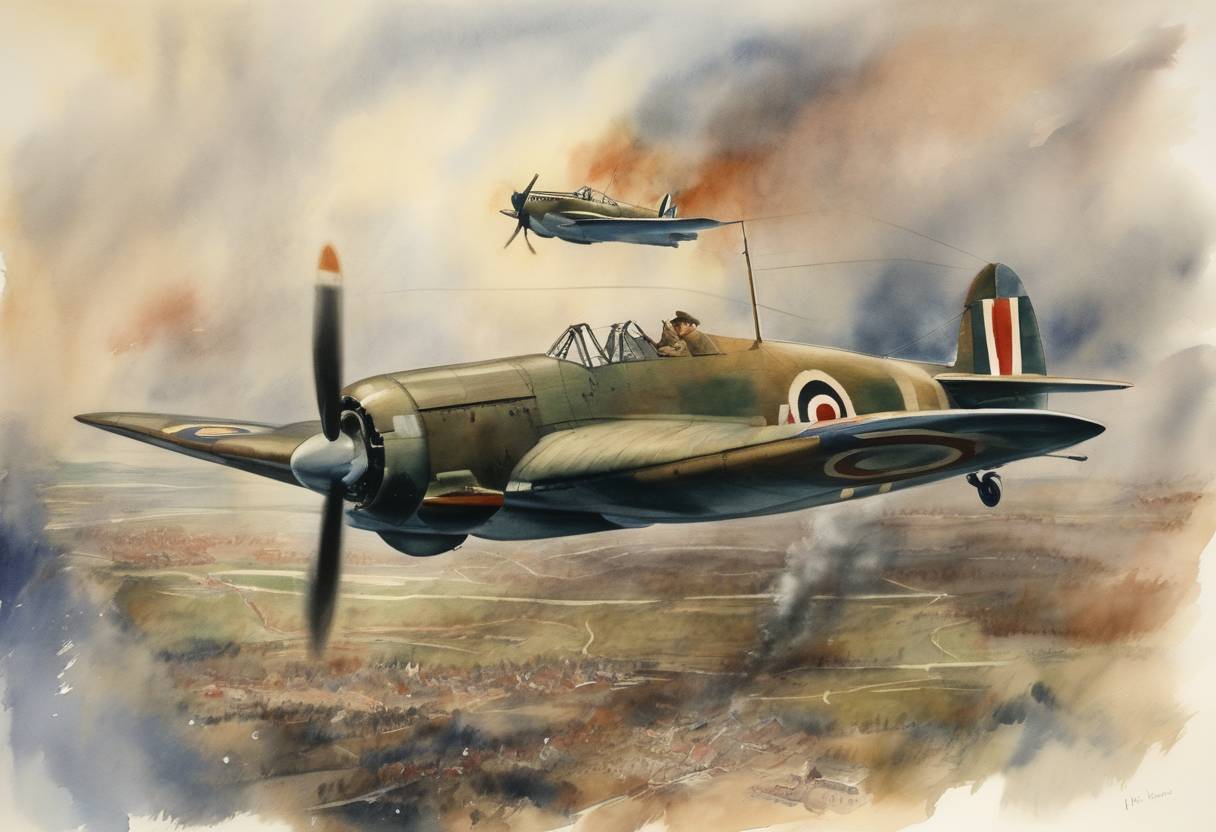
The Battle of Britain was an air campaign waged by the German Air Force (Luftwaffe) against the United Kingdom during the summer and autumn of 1940. It was the first major military campaign fought entirely by air forces. Following the fall of France in June 1940, Nazi Germany sought to force Britain into a peace settlement or prepare for an amphibious and airborne invasion, codenamed Operation Sea Lion, by gaining air superiority over Southern England.
Churchill’s Speech
Churchill’s speech, often remembered for its famous line, “Never in the field of human conflict was so much owed by so many to so few,” paid tribute to the tenacity and courage of the Royal Air Force (RAF) pilots. These men, referred to as “The Few,” were critical in defending Britain against the Luftwaffe’s onslaught. His words were meant to galvanize the British public, affirm their resolve, and acknowledge the crucial role their armed forces played in resisting Nazi aggression.
Broadcast Significance
The broadcast in Montreal, Canada, served not only to inspire the citizens of the British dominion but also to solidify the bonds of the Commonwealth. By hearing Churchill’s words, Canadians were reminded of their shared commitment to the Allied cause and the global fight against tyranny. This broadcast was part of a broader strategy to foster unity and morale among the Allied nations.
Impact and Legacy
The sentiments expressed by Churchill became a rallying cry both within Britain and amongst its allies. The Battle of Britain’s eventual success prevented Germany from achieving its short-term strategic goals, maintaining Britain as a crucial base for future Allied operations. The address underscored the power of resolve, effective communication, and international solidarity during wartime.
This broadcast exemplified the importance of media in rallying support and demonstrating international cohesiveness, and it remains celebrated as a landmark moment in World War II history.