Napoleon Bonaparte Proclaimed Emperor of the French
1804 · Paris, France
Napoleon Bonaparte is proclaimed Emperor of the French by the French Senate, marking the transition from the French Consulate to the First French Empire.
March 2, 1796
Napoleon Bonaparte is appointed Commander-in-Chief of the French Army in Italy.
Paris, France | French Military
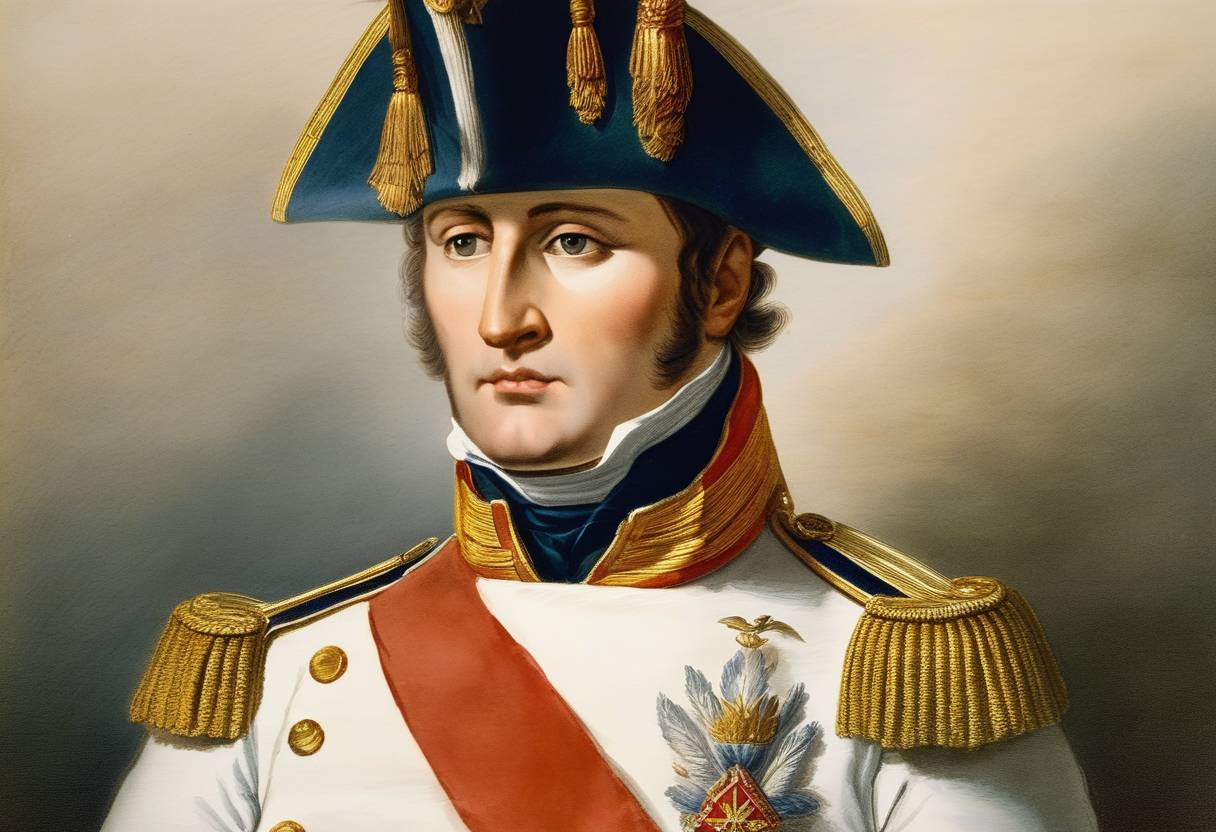
On March 2, 1796, Napoleon Bonaparte was appointed as the Commander-in-Chief of the French Army in Italy. This pivotal appointment marked the beginning of a significant phase in military history and Napoleon’s rise to prominence as one of the greatest military leaders.
During the mid-1790s, the French Revolutionary Wars were ongoing, following the profound political changes instigated by the French Revolution. France was at war with various European coalitions aiming to curtail the spread of revolutionary ideals. The Italian front, against Austria and its allies, was critical for France. The Directory, the governing five-member committee of France, sought a capable general to lead the Army in Italy to secure victories and garner resources.
Napoleon Bonaparte, aged 26 at the time, had already distinguished himself in the siege of Toulon and his defense of the National Convention against royalist forces. His achievements and strong political connections, especially through his marriage to Joséphine de Beauharnais, whose connections to influential figures such as Paul Barras proved advantageous, helped him gain the trust of the Directory.
Upon his appointment, Napoleon was tasked with revitalizing the poorly equipped and underpaid French forces in Italy. His objectives included:
Napoleon’s appointment rapidly transformed the strategic landscape in Italy. His leadership was characterized by innovative tactics, rapid movements, and decisive engagements. Napoleon’s Italian Campaigns from 1796 to 1797 subsequently saw successive victories, including decisive battles such as Montenotte, Lodi, and Arcole, culminating in the Treaty of Campo Formio.
These military successes not only brought prestige and territorial gains to France but also solidified Napoleon’s reputation, eventually setting the stage for his rise to power in France. His strategies during the Italian campaigns became studied and admired, influencing military thought long after these events.
Overall, the appointment of Napoleon Bonaparte as Commander-in-Chief of the French Army in Italy not only altered the course of the Revolutionary Wars but also marked the emergence of a formidable military genius whose impact would reverberate through European history.
Source: en.wikipedia.org