Earthquake in Tocopilla, Northern Chile - November 13, 2007
2007 · Tocopilla, Chile
An earthquake measuring 8.5 struck the Tocopilla region of northern Chile, causing damage to buildings and infrastructure.
March 31, 1931
An earthquake measuring approximately 6.0 on the Richter scale struck Managua, Nicaragua, causing extensive damage and loss of life.
Managua, Nicaragua | Nicaraguan government
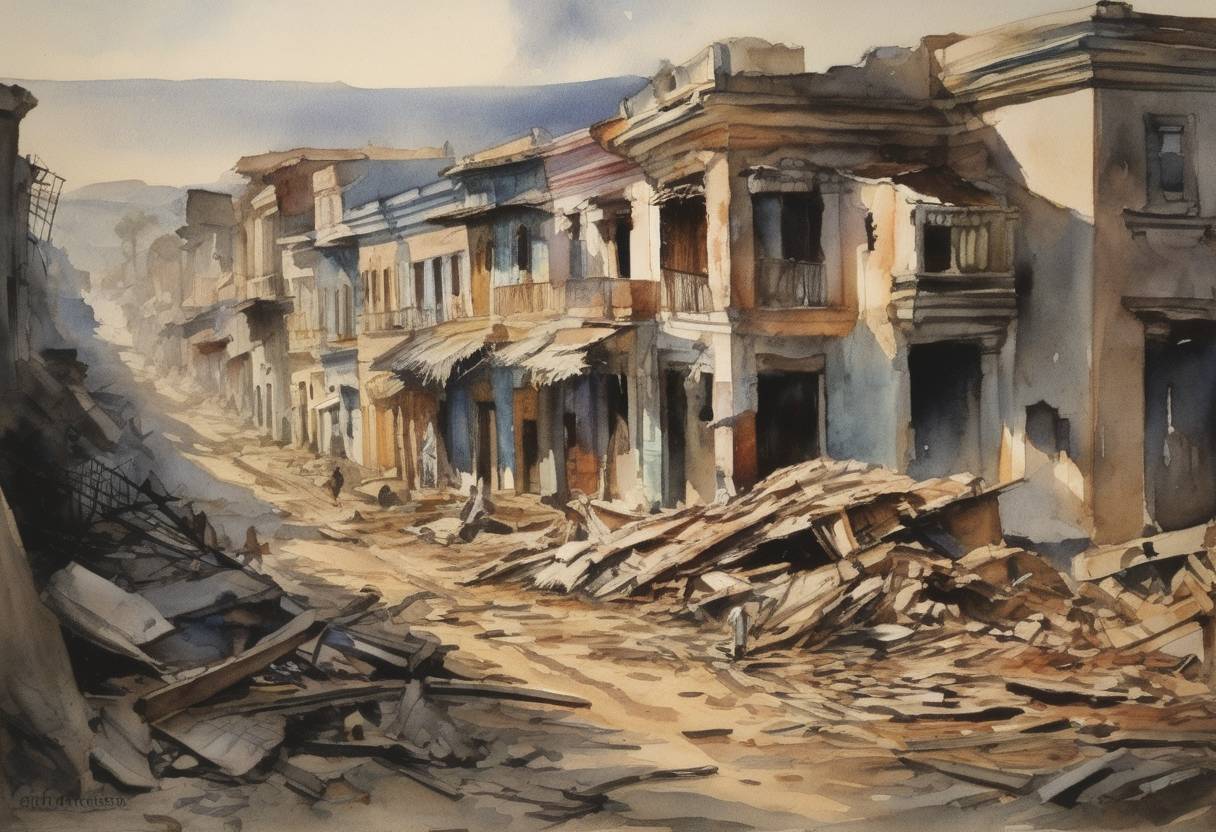
On March 31, 1931, a devastating earthquake struck the city of Managua, the capital of Nicaragua. This seismic event measured approximately 6.0 on the Richter scale and caused significant destruction throughout the city.
Managua, located near the Pacific coast of Nicaragua, is part of a seismically active region. Prior to the 1931 earthquake, Nicaragua had experienced various seismic events, but this earthquake brought unprecedented devastation to the capital city.
The earthquake had a catastrophic impact on the infrastructure and population of Managua:
In the wake of the earthquake, Managua faced considerable challenges in recovery and rebuilding:
The 1931 earthquake was one of the most devastating natural disasters in Nicaraguan history up to that point. It highlighted the vulnerability of urban centers to seismic events, influencing future urban planning and construction practices in Managua and other cities in the region.
Source: en.wikipedia.org