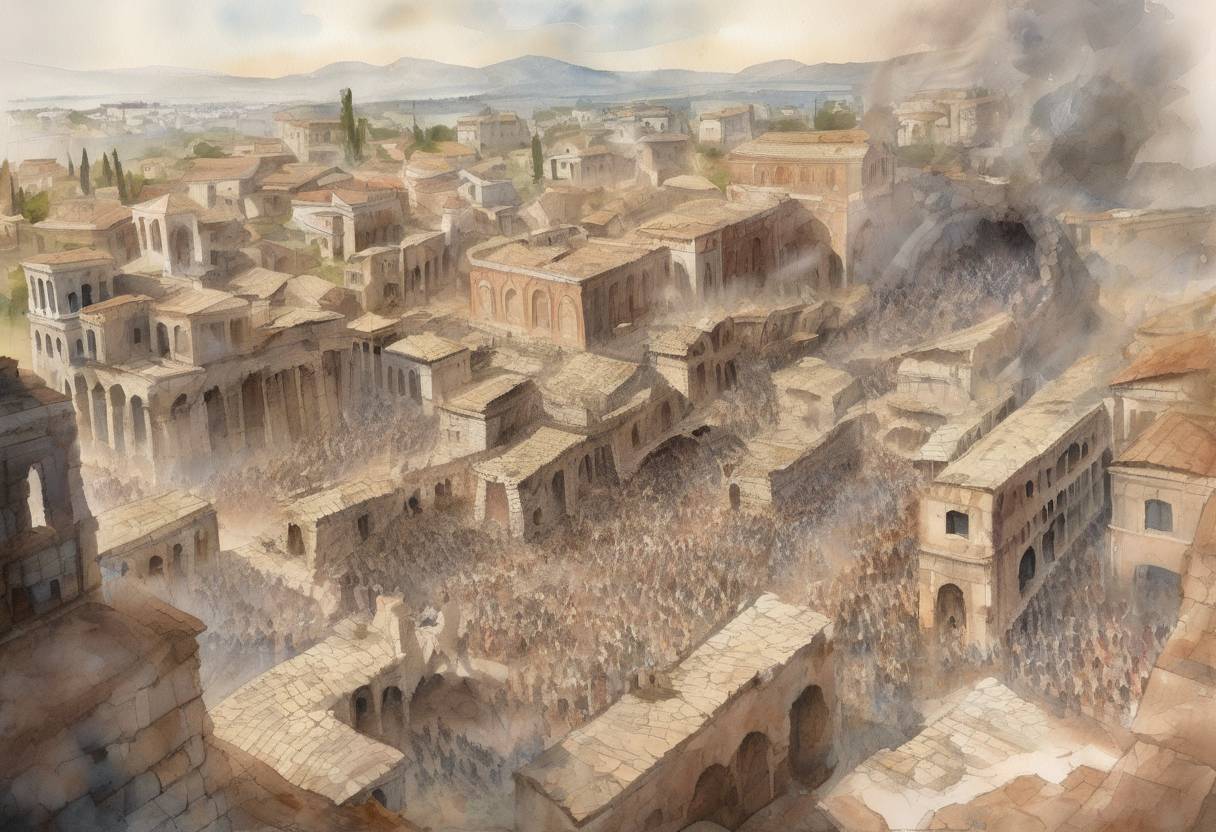
The Antioch Earthquake of May 31, 526
On May 31, 526, a catastrophic earthquake struck the city of Antioch, then a prominent urban center of the Byzantine Empire. This seismic event is recorded as one of the deadliest earthquakes in history, causing widespread destruction and a significant loss of life.
Historical Context
Antioch, located in what is now modern-day Turkey, was one of the major cities of the ancient world. It served as a key hub for trade and culture, strategically positioned on the Silk Road. By the 6th century, Antioch was a vital part of the Byzantine Empire, known for its architectural grandeur and vibrant community.
The Earthquake
- Date: May 31, 526
- Magnitude: While the exact magnitude is unknown, historical accounts describe it as extremely powerful.
- Impact: The earthquake resulted in the deaths of an estimated 250,000 people, making it one of the deadliest earthquakes in recorded history. The destruction was so extensive that it left much of the city in ruins.
Consequences
- Immediate Aftermath: The earthquake caused fires that raged through the city, exacerbating the destruction. Many of the city’s buildings, including its famous churches and public structures, were either damaged or completely destroyed.
- Reconstruction Efforts: The Byzantine Emperor Justinian I later initiated efforts to rebuild Antioch, but the city never fully regained its former prominence.
- Historical Significance: The disaster highlighted the vulnerability of urban centers to natural calamities and influenced Byzantine architectural practices, particularly in terms of building resilience.
Broader Historical Impact
The earthquake of 526 had lasting effects on the region’s demographic and economic landscape. It served as a grim reminder of the natural threats faced by ancient civilizations and underscored the importance of disaster preparedness and urban planning in the Byzantine Empire.
In summary, the Antioch earthquake of 526 was a pivotal event in the history of the Byzantine Empire, marking a period of significant human loss and urban transformation. Its legacy is a testament to the resilience of the people and the enduring impact of natural disasters on human societies.