Martin Luther's Arrival at the Diet of Worms - April 16, 1521
1521 · Worms, Holy Roman Empire
Martin Luther arrived in Worms for the Diet of Worms, where he was asked to recant his teachings.
July 6, 1415
Jan Hus, a Czech theologian and reformer, was burned at the stake for heresy against the doctrines of the Catholic Church at the Council of Constance.
Constance, Holy Roman Empire | Catholic Church
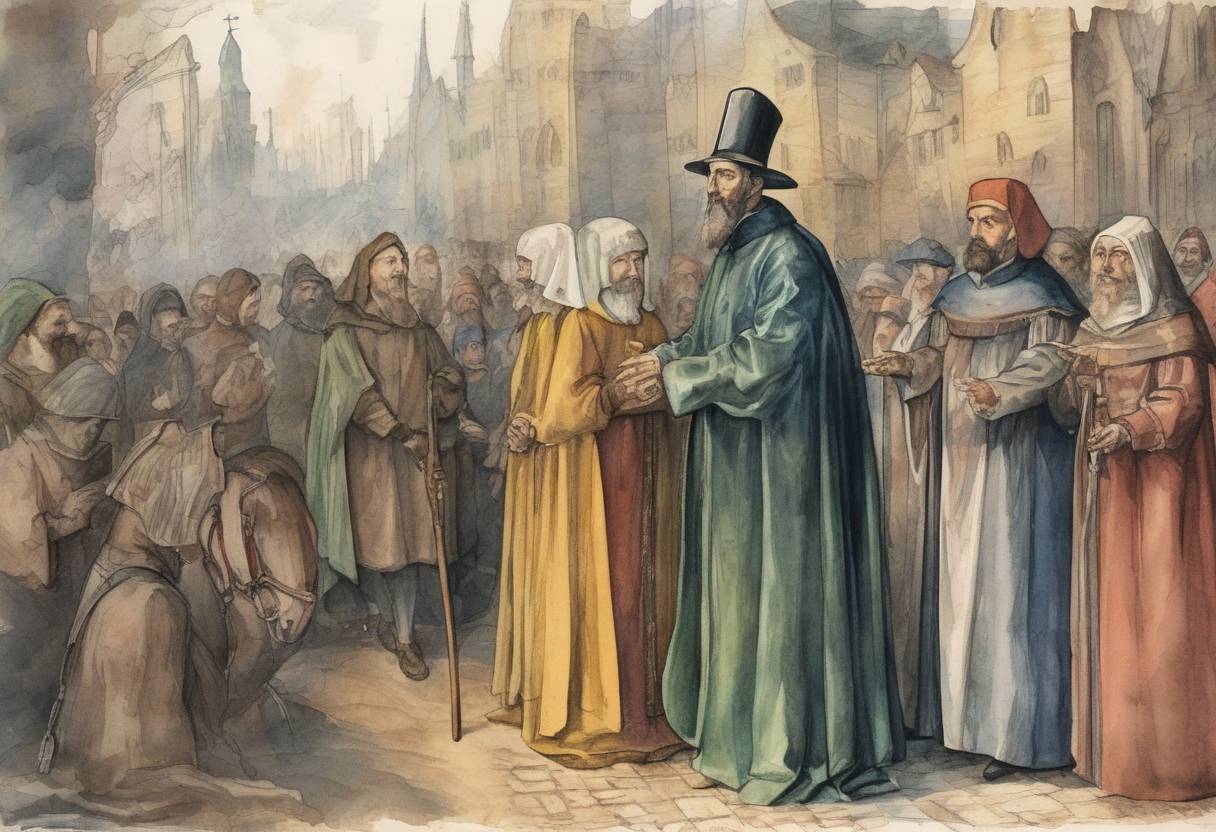
On July 6, 1415, Jan Hus, a Czech theologian and reformer, was burned at the stake for heresy against the doctrines of the Catholic Church at the Council of Constance. His execution marked a pivotal moment in the history of religious reform and set the stage for future movements, including the Protestant Reformation.
Jan Hus was born around 1372 in Husinec, in what is now the Czech Republic. He became a key figure in the early 15th century as a preacher and rector at the University of Prague. Influenced by the writings of John Wycliffe, an English reformer, Hus began to criticize the Catholic Church’s practices, particularly the sale of indulgences and the moral corruption of the clergy.
Preaching and Influence: Hus’s sermons, delivered in Czech, resonated with the common people and gained him a significant following. He advocated for a return to the teachings of the Bible and criticized the Church’s wealth and power.
Excommunication: In 1411, Hus was excommunicated by Pope John XXIII for his refusal to cease his criticisms and for supporting Wycliffe’s ideas. Despite this, he continued to preach and write, further spreading his reformist ideas.
Council of Constance: The Council of Constance was convened from 1414 to 1418 to address various issues within the Church, including the Western Schism. Hus was summoned to the council under a promise of safe conduct by Emperor Sigismund.
Arrest and Imprisonment: Upon arrival at Constance, Hus was arrested and imprisoned despite the emperor’s guarantee of safety. He was charged with heresy for his teachings and writings.
Trial: Hus was given a trial where he was asked to recant his views. He refused, maintaining that he would only renounce his beliefs if they could be proven false by scripture.
Execution: On July 6, 1415, Hus was declared a heretic and sentenced to death. He was burned at the stake, reportedly praying for his persecutors as he died.
Hussite Wars: Hus’s execution sparked outrage in Bohemia, leading to the Hussite Wars (1419-1434), a series of conflicts between his followers and those loyal to the Catholic Church.
Legacy: Jan Hus is considered a precursor to the Protestant Reformation. His calls for reform and emphasis on scripture influenced later reformers like Martin Luther.
Cultural Impact: Hus is a national hero in the Czech Republic, symbolizing the struggle for religious and political freedom. His martyrdom is commemorated annually on July 6th.
Jan Hus’s steadfast commitment to his beliefs and his tragic end highlight the tensions between emerging reformist ideas and established religious authority in the late medieval period. His life and death continue to be a powerful testament to the enduring quest for religious reform and integrity.
Source: en.wikipedia.org