Brigham Young Leads Mormon Pioneers into Utah's Valley of the Great Salt Lake
1847 · Salt Lake City, United States
Brigham Young leads 148 Mormon pioneers into Utah's Valley of the Great Salt Lake.
June 9, 1856
The Mormon handcart pioneers begin their journey from Iowa City to Salt Lake City.
Iowa City, United States | The Church of Jesus Christ of Latter-day Saints
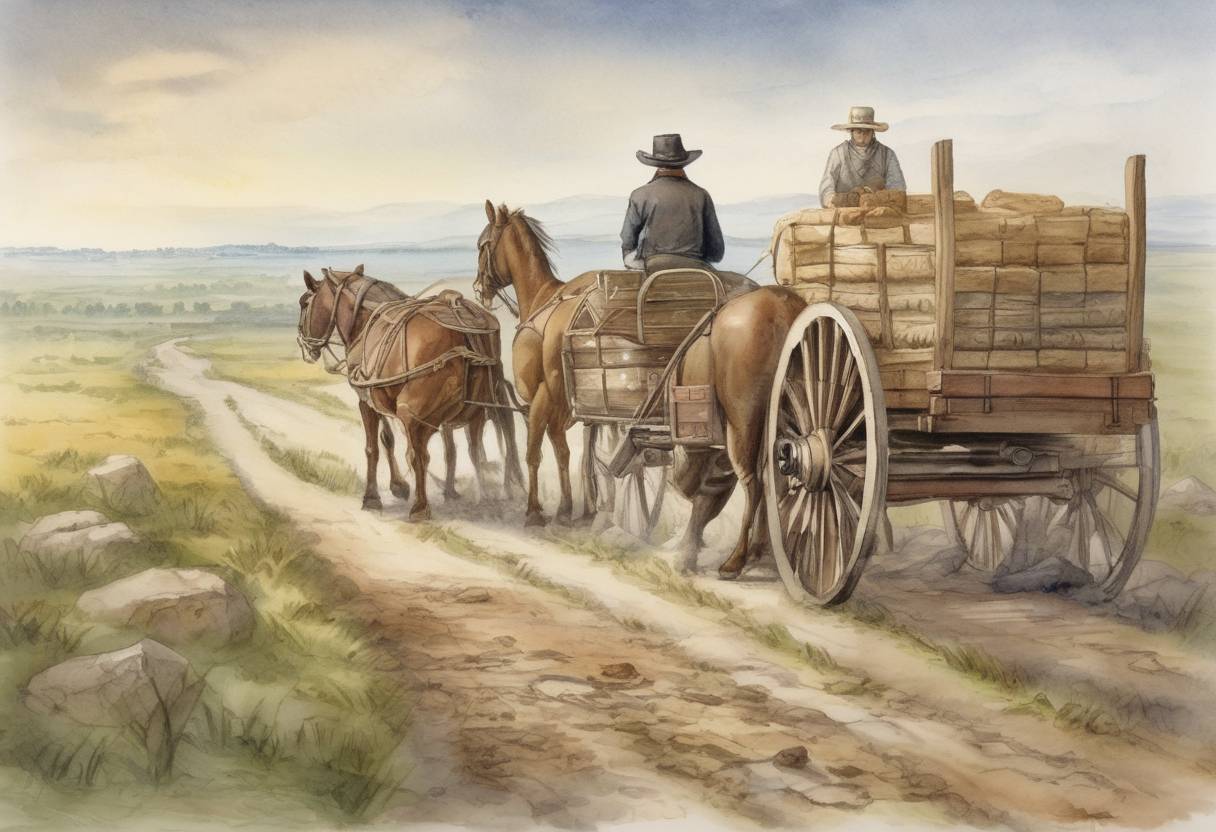
On June 9, 1856, a significant chapter in the history of the Church of Jesus Christ of Latter-day Saints (LDS Church) began as the first group of Mormon handcart pioneers set out from Iowa City, Iowa, on their arduous journey to Salt Lake City, Utah. This event marked the beginning of a unique migration strategy employed by the LDS Church to assist its members in reaching the Salt Lake Valley.
The Mormon Migration: The migration to Utah was part of a larger movement of Latter-day Saints seeking religious freedom and a new home after facing persecution in the eastern United States. Under the leadership of Brigham Young, the church had established Salt Lake City as a gathering place for its members.
Economic Challenges: Many European converts to the LDS Church faced financial difficulties in making the journey to Utah. To address this, the church introduced the handcart plan in 1856, which was a more economical alternative to the traditional covered wagon.
Design and Purpose: The handcarts were simple, two-wheeled carts that could be pulled by individuals. They were designed to carry a limited amount of supplies and personal belongings, allowing pioneers to travel without the need for oxen or horses.
Organization: The handcart companies were organized into groups, each led by a captain. The first two companies, led by captains Edmund Ellsworth and Daniel D. McArthur, departed on June 9, 1856.
Route and Challenges: The journey from Iowa City to Salt Lake City covered approximately 1,300 miles. The pioneers faced numerous challenges, including harsh weather conditions, difficult terrain, and limited supplies.
Resilience and Determination: Despite these hardships, the handcart pioneers demonstrated remarkable resilience and determination. Their journey became a testament to their faith and commitment to their religious beliefs.
Legacy: The handcart migration continued for several years, with a total of ten companies making the journey between 1856 and 1860. The experience of the handcart pioneers became an enduring symbol of perseverance and faith within the LDS Church.
Historical Impact: The handcart migration is remembered as a unique and challenging chapter in American westward expansion. It highlights the diverse methods and motivations behind the settlement of the American West.
The departure of the first Mormon handcart pioneers on June 9, 1856, remains a poignant reminder of the lengths to which individuals will go in pursuit of religious freedom and community. Their journey is commemorated in LDS history and continues to inspire stories of courage and faith.
Source: en.wikipedia.org