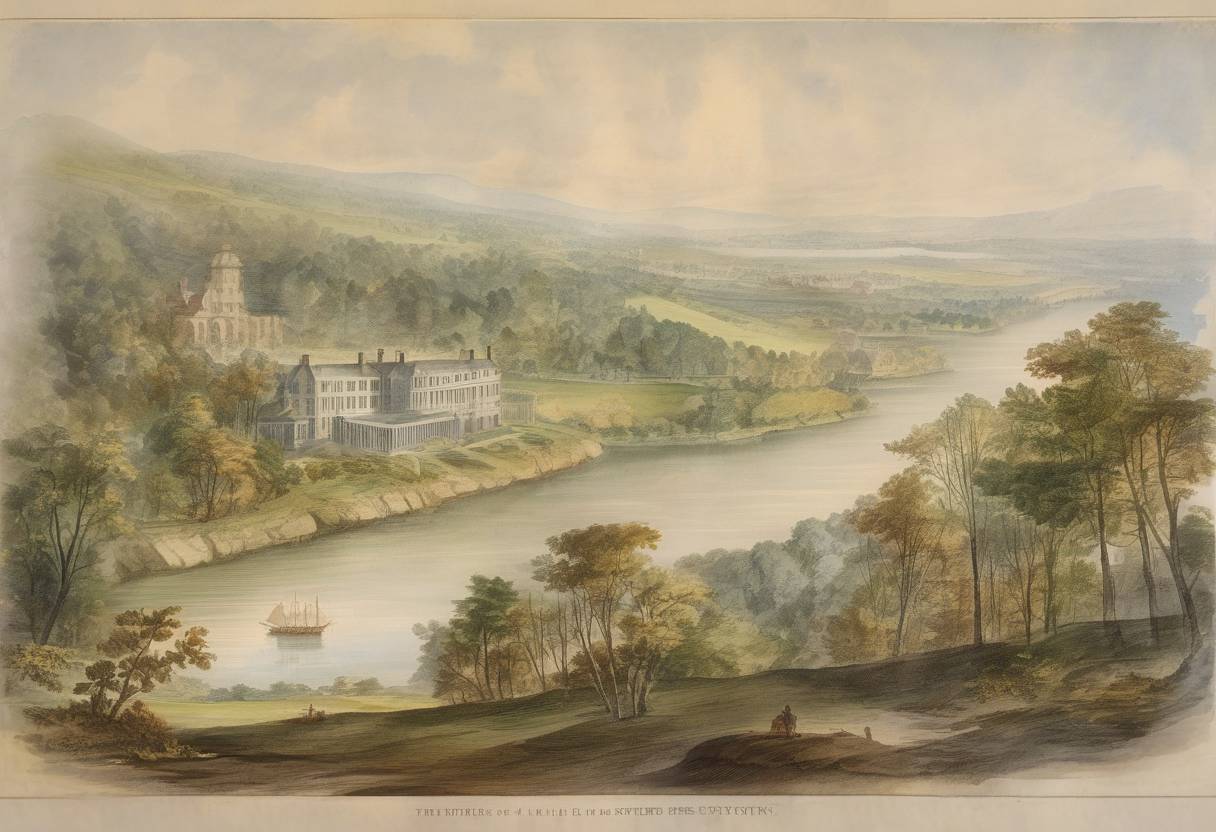
New York Ratifies the United States Constitution
On July 26, 1788, New York ratified the United States Constitution, becoming the 11th state to join the Union. This event marked a significant milestone in American history, as New York’s ratification was crucial for the success and legitimacy of the new federal government.
Context and Background
The Constitutional Convention: The United States Constitution was drafted during the Constitutional Convention, which took place in Philadelphia from May to September 1787. The convention aimed to address the weaknesses of the Articles of Confederation, the nation’s first governing document.
Federalist vs. Anti-Federalist Debate: The ratification process was contentious, with debates between Federalists, who supported the new Constitution, and Anti-Federalists, who opposed it due to concerns over centralized power and the lack of a Bill of Rights.
Key Events Leading to Ratification
The Federalist Papers: New York played a pivotal role in the ratification debate through the publication of “The Federalist Papers,” a series of essays written by Alexander Hamilton, James Madison, and John Jay. These essays argued in favor of the Constitution and addressed concerns about the new government’s structure.
New York Ratifying Convention: The New York State Ratifying Convention convened in Poughkeepsie in June 1788. The convention was sharply divided, with a significant Anti-Federalist presence led by figures such as Governor George Clinton.
Compromise and Ratification: After intense debates, a compromise was reached. New York agreed to ratify the Constitution with the understanding that amendments would be proposed to address the concerns of the Anti-Federalists. This led to the eventual adoption of the Bill of Rights.
Aftermath and Significance
Influence on Other States: New York’s ratification was influential, as it was a large and economically significant state. Its decision helped persuade other hesitant states to ratify the Constitution.
The Bill of Rights: The promise of amendments to protect individual liberties led to the drafting and adoption of the Bill of Rights, the first ten amendments to the Constitution, which were ratified in 1791.
Strengthening the Union: New York’s entry into the Union solidified the new federal system and helped ensure the stability and unity of the United States during its formative years.
In summary, New York’s ratification of the United States Constitution on July 26, 1788, was a pivotal event in American history, contributing to the establishment of a strong federal government and the eventual inclusion of a Bill of Rights to safeguard individual freedoms.