Juan Domingo Perón's Election as President of Argentina
1946 · Buenos Aires, Argentina
Juan Domingo Perón was elected President of Argentina, marking the beginning of a significant era in Argentine politics characterized by Peronism.
May 11, 1960
Israeli agents capture Nazi war criminal Adolf Eichmann in Buenos Aires, Argentina.
Buenos Aires, Argentina | Mossad
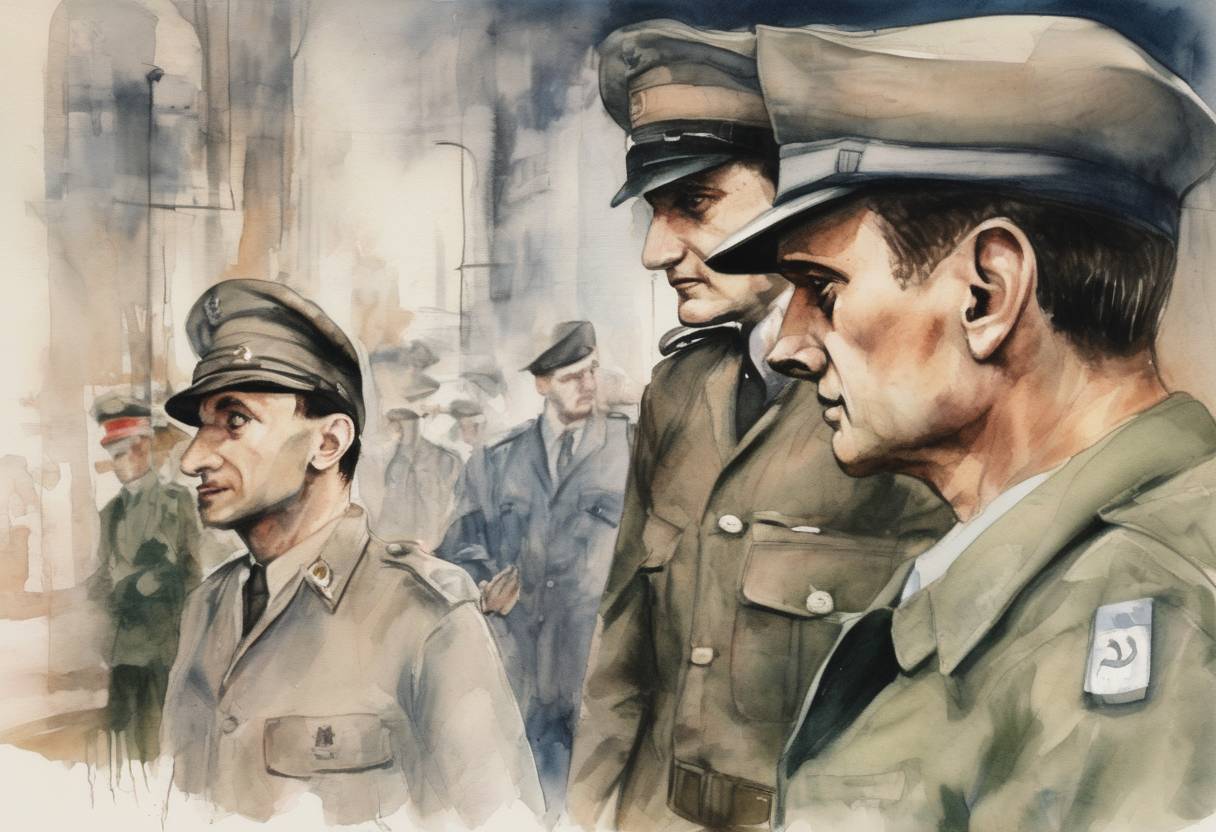
On May 11, 1960, one of the most significant operations in the pursuit of justice for Holocaust crimes took place when Israeli agents captured Adolf Eichmann in Buenos Aires, Argentina. Eichmann, a high-ranking Nazi official, was instrumental in orchestrating the logistics of the Holocaust, earning him the moniker “Architect of the Holocaust.”
Adolf Eichmann was born in 1906 in Solingen, Germany. He joined the Nazi Party and the SS in the 1930s, quickly rising through the ranks due to his organizational skills. During World War II, Eichmann was tasked with managing the logistics of mass deportations of Jews to ghettos and extermination camps, playing a pivotal role in the implementation of the “Final Solution.”
After the war, Eichmann was captured by American forces but managed to escape from a detention camp in 1946. He fled to Argentina in 1950, where he lived under the alias Ricardo Klement.
The operation to capture Eichmann was orchestrated by the Israeli intelligence agency, Mossad, under the leadership of its director, Isser Harel. The operation was prompted by information provided by a German-Jewish refugee living in Argentina, Lothar Hermann, whose daughter had befriended Eichmann’s son.
A team of Mossad agents, including Rafi Eitan and Peter Malkin, was dispatched to Buenos Aires. After weeks of surveillance, they confirmed Eichmann’s identity. On the evening of May 11, 1960, the agents abducted Eichmann as he was returning home from work. He was taken to a safe house where he was interrogated and positively identified.
Eichmann was secretly flown to Israel on May 21, 1960, where he stood trial for crimes against humanity, war crimes, and other offenses. The trial, which began in April 1961, was one of the first to be televised globally, bringing the horrors of the Holocaust to the forefront of international consciousness. Eichmann was found guilty and sentenced to death. He was executed by hanging on June 1, 1962.
The capture and trial of Adolf Eichmann had profound implications:
The operation remains a landmark in the history of international justice and intelligence operations, symbolizing the relentless pursuit of justice for victims of the Holocaust.
Source: en.wikipedia.org