April 26, 1986

The Chernobyl disaster occurs at the Chernobyl Nuclear Power Plant in the Soviet Union, resulting in a catastrophic nuclear accident.


Chernobyl, Soviet Union | Chernobyl Nuclear Power Plant
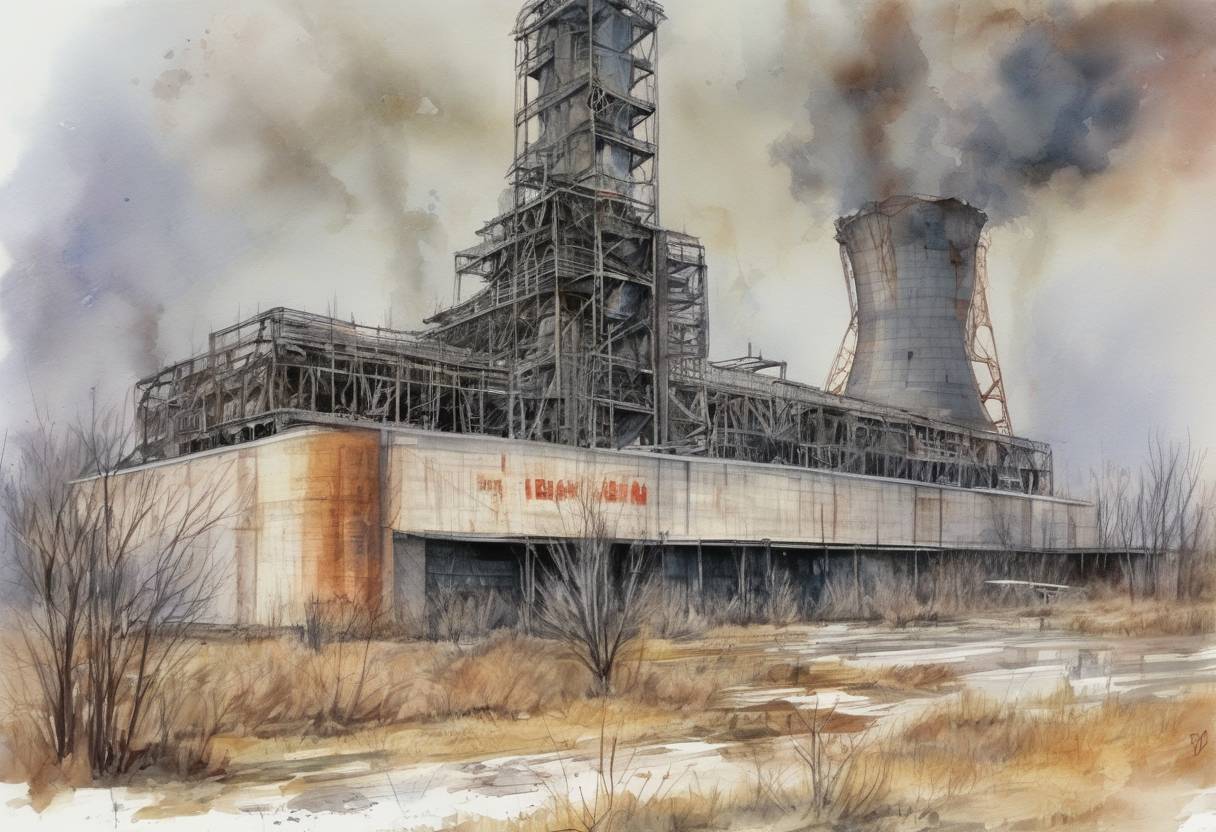
Watercolor painting based depiction of The Chernobyl disaster occurs at the Chernobyl Nuclear Power Plant in the Soviet Union, resulting in a catastrophic nuclear accident. (1986)

The Chernobyl Disaster: April 26, 1986

Overview

On April 26, 1986, the Chernobyl Nuclear Power Plant in the Soviet Union (now Ukraine) experienced a catastrophic nuclear accident. This event is considered the worst nuclear disaster in history, both in terms of cost and casualties, and it had profound environmental, health, and political impacts.

Background

The Chernobyl Nuclear Power Plant, located near the city of Pripyat, consisted of four reactors. The disaster occurred in Reactor No. 4 during a late-night safety test intended to simulate a power outage. The test was meant to improve safety procedures, but due to a combination of design flaws and operator errors, it led to an uncontrolled nuclear chain reaction.

The Accident

  • Time of Incident: The explosion occurred at 1:23 AM local time.
  • Immediate Cause: A sudden power surge led to a series of explosions, which blew off the reactor’s 1,000-ton steel and concrete lid.
  • Release of Radioactivity: The explosion released a significant amount of radioactive particles into the atmosphere, which spread across Europe.

Key Factors

  1. Design Flaws: The RBMK reactor had several design flaws, including a positive void coefficient, which made it unstable at low power levels.
  2. Operator Errors: The plant operators violated safety protocols, including disabling automatic shutdown mechanisms.
  3. Lack of Safety Culture: There was a systemic lack of safety culture within the Soviet nuclear industry, contributing to the disaster.

Immediate Aftermath

  • Evacuation: The nearby city of Pripyat, home to approximately 49,000 people, was evacuated 36 hours after the explosion.
  • Firefighting Efforts: Firefighters and plant workers attempted to control the fire and contain the radiation, many of whom received lethal doses of radiation.
  • Soviet Response: Initially, the Soviet government was slow to acknowledge the severity of the disaster, delaying international notification.

Long-term Consequences

  • Health Impact: The disaster exposed millions to radiation, leading to increased cancer rates and other health issues. The exact number of deaths directly attributable to the disaster remains disputed.
  • Environmental Damage: Large areas around Chernobyl were contaminated, creating an exclusion zone of approximately 2,600 square kilometers.
  • Political Repercussions: The disaster highlighted the shortcomings of the Soviet system, contributing to increased calls for transparency and reform, and is often cited as a factor in the eventual dissolution of the Soviet Union.

Legacy

The Chernobyl disaster has had a lasting impact on nuclear safety protocols worldwide. It led to significant changes in the design and operation of nuclear reactors, emphasizing the importance of safety culture and international cooperation in nuclear safety.

Conclusion

The Chernobyl disaster remains a poignant reminder of the potential risks associated with nuclear energy. It underscores the necessity for rigorous safety standards and transparent communication to prevent similar catastrophes in the future.