Excommunication of King Henry VIII by Pope Paul III on December 17, 1538
1538 · Rome, Papal States
Pope Paul III excommunicated King Henry VIII of England.
January 3, 1521
Pope Leo X excommunicated Martin Luther with the papal bull Decet Romanum Pontificem.
Rome, Papal States | Catholic Church
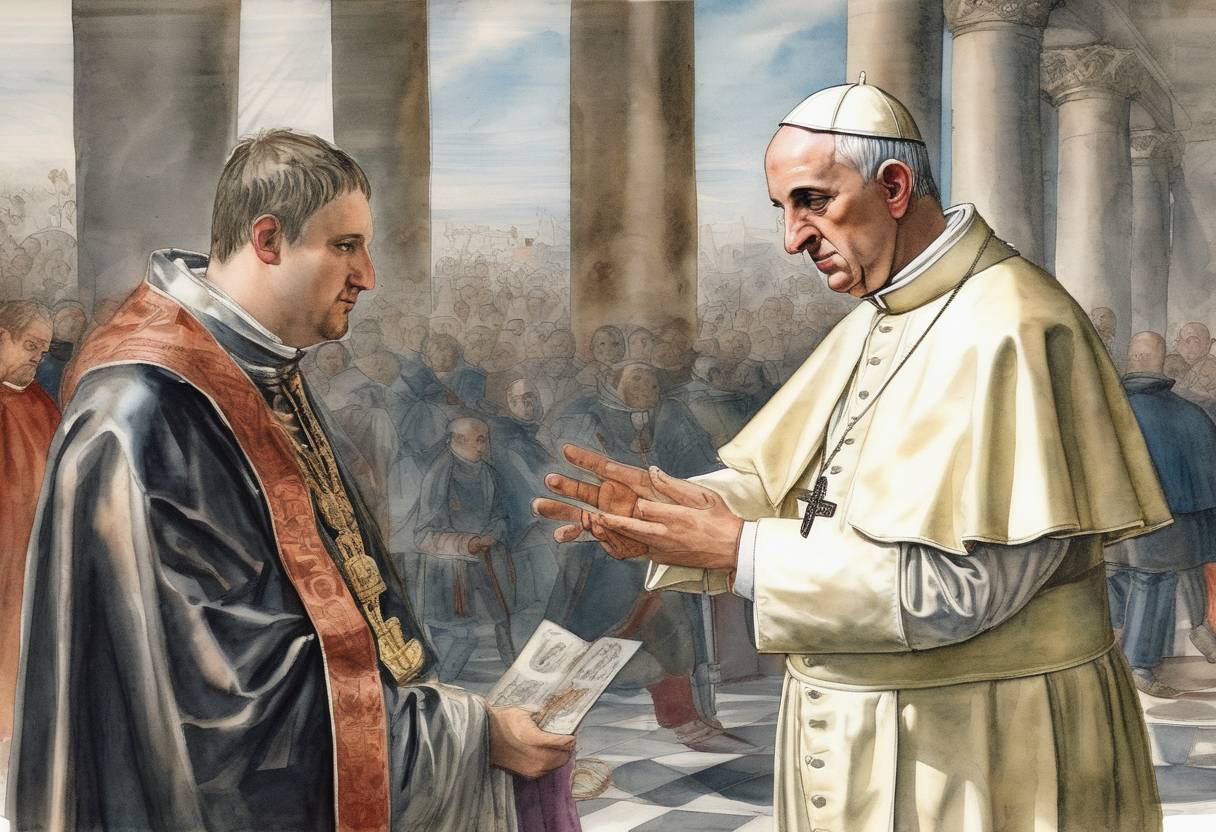
On January 3, 1521, Pope Leo X issued the papal bull Decet Romanum Pontificem, formally excommunicating Martin Luther from the Roman Catholic Church. This event was a pivotal moment in the history of the Protestant Reformation, marking a definitive break between Luther and the papal authority.
Martin Luther, a German monk and theologian, had become increasingly critical of the Catholic Church’s practices, particularly the sale of indulgences. His dissent reached a critical point when he famously nailed his Ninety-Five Theses to the door of the Wittenberg Castle Church on October 31, 1517. This document challenged the Church’s teachings and practices, sparking widespread debate and reformist sentiment across Europe.
In response to Luther’s growing influence and the spread of his ideas, Pope Leo X issued the papal bull Exsurge Domine on June 15, 1520. This bull condemned 41 of Luther’s propositions and gave him 60 days to recant his teachings. Luther, however, refused to comply and instead publicly burned the bull in December 1520, further escalating tensions with the papacy.
The issuance of Decet Romanum Pontificem on January 3, 1521, was the culmination of the Church’s efforts to silence Luther. This bull declared Luther a heretic and formally excommunicated him from the Church. The document was a clear statement of the Church’s stance against Luther’s reformist ideas and an attempt to curb the growing Protestant movement.
Luther’s excommunication did not quell the Reformation; instead, it galvanized his supporters and furthered the spread of Protestantism. The excommunication led to the Diet of Worms in April 1521, where Luther was summoned to recant his teachings before the Holy Roman Emperor Charles V. Luther’s refusal to recant at the Diet solidified his position as a leading figure in the Reformation.
The excommunication of Martin Luther by Pope Leo X was a significant turning point in religious history. It not only marked the official break between Luther and the Catholic Church but also set the stage for the establishment of Protestant denominations and the reshaping of the religious landscape in Europe. The events surrounding Luther’s excommunication underscore the profound impact of the Reformation on Western Christianity and its enduring legacy in shaping modern religious thought and practice.
Source: en.wikipedia.org