Christopher Columbus Lands on the Mainland of South America
1498 · Paria Peninsula, Venezuela
Christopher Columbus landed on the mainland of South America, near present-day Venezuela, during his third voyage.
July 31, 1498
On July 31, 1498, Christopher Columbus, on his third voyage, became the first European to discover the island of Trinidad.
Trinidad, Trinidad and Tobago | Spanish Crown
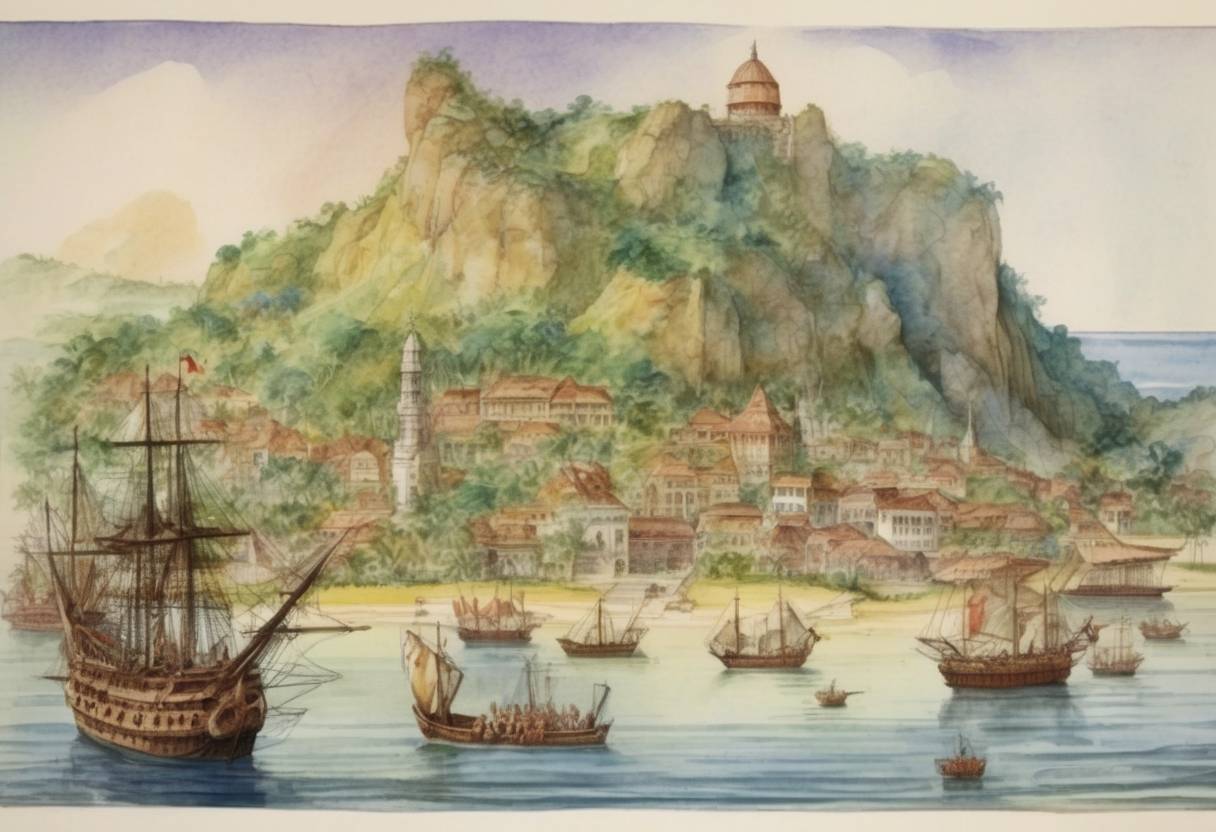
On July 31, 1498, during his third voyage to the New World, Christopher Columbus became the first European to encounter the island of Trinidad. This event marked a significant moment in the Age of Exploration, as Columbus continued to explore the Caribbean region, seeking new territories and trade routes.
Third Voyage Objectives: Columbus’s third voyage, which began in 1498, was aimed at finding a passage to Asia and further exploring the territories he had previously discovered. The Spanish Crown, eager to expand its influence and wealth, supported this expedition.
Route and Challenges: Departing from Spain, Columbus’s fleet faced numerous challenges, including harsh weather conditions and navigational difficulties. The fleet was divided, with some ships heading directly to Hispaniola while Columbus took a more southerly route.
Arrival at Trinidad: On July 31, 1498, Columbus sighted the island of Trinidad. He named it “La Isla de la Trinidad” (The Island of the Trinity) in honor of the Holy Trinity, reflecting his deep religious convictions.
Geographical Significance: Trinidad is located off the northeastern coast of Venezuela, and its discovery was crucial in mapping the Caribbean region. Columbus’s encounter with Trinidad also marked the first time he reached the South American mainland during this voyage.
Further Exploration: After discovering Trinidad, Columbus continued his exploration along the coast of South America, reaching the Orinoco River delta. This journey provided valuable information about the continent’s geography.
Impact on Indigenous Populations: The arrival of Europeans, including Columbus, had profound and often devastating effects on the indigenous populations. The introduction of European diseases, along with colonization efforts, led to significant disruptions in the lives of the native peoples.
Legacy: Columbus’s voyages, including the discovery of Trinidad, played a pivotal role in the European exploration and eventual colonization of the Americas. They opened new routes for trade and exchange but also set the stage for the complex and often tragic interactions between Europeans and indigenous cultures.
In summary, the discovery of Trinidad by Christopher Columbus on July 31, 1498, was a key event in the history of exploration, contributing to the broader narrative of European expansion and its lasting impact on the world.
Source: www.history.com