December 25, 2012

In Nigeria, a suicide bomber struck a church on Christmas Day, resulting in several casualties, highlighting ongoing tensions in the region attributed to Boko Haram's insurgency.


Maiduguri, Nigeria | Boko Haram
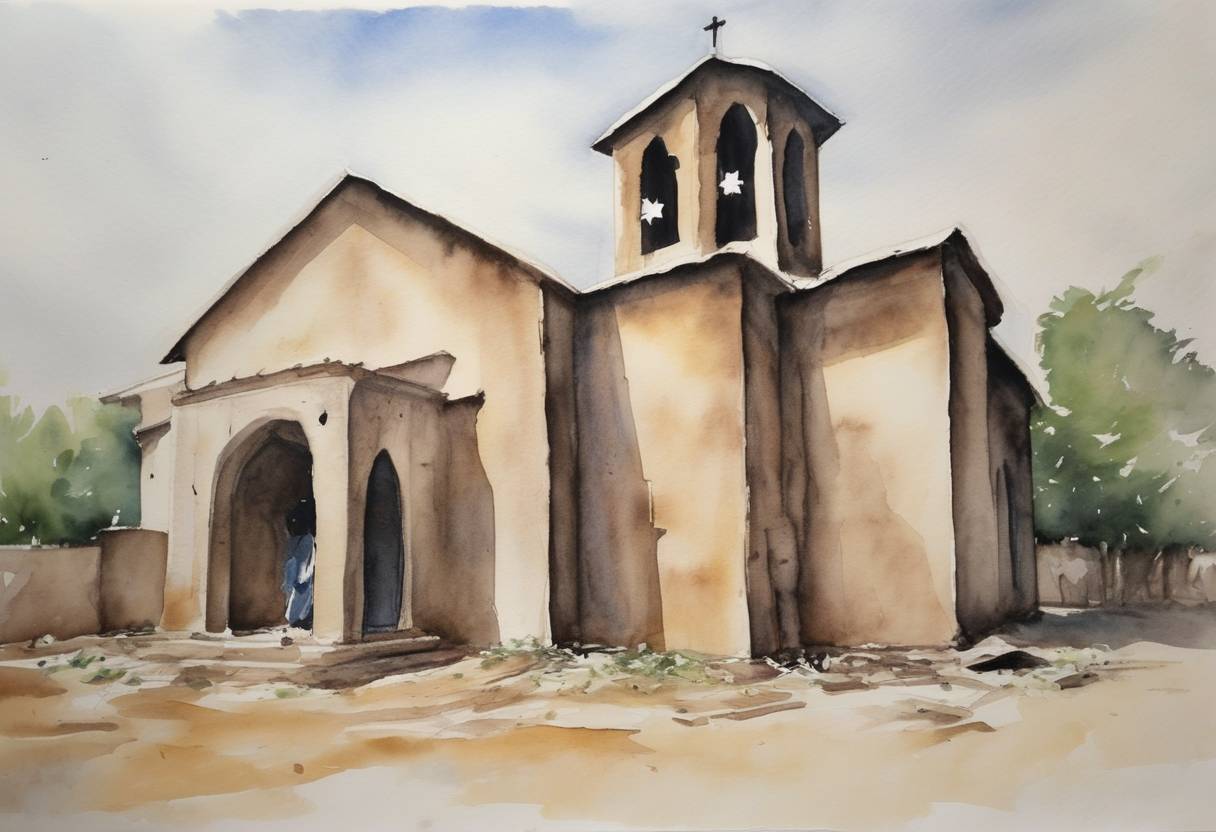
Watercolor painting based depiction of In Nigeria, a suicide bomber struck a church on Christmas Day, resulting in several casualties, highlighting ongoing tensions in the region attributed to Boko Haram's insurgency. (2012)

Christmas Day Church Bombing in Nigeria - December 25, 2011

On December 25, 2011, Nigeria experienced a devastating attack that underscored the ongoing violence attributed to the militant Islamist group Boko Haram. A suicide bomber targeted St. Theresa’s Catholic Church in Madalla, a town on the outskirts of the capital, Abuja. The attack resulted in significant casualties and widespread condemnation.

Event Details

  • Location: St. Theresa’s Catholic Church, Madalla, Nigeria
  • Date: December 25, 2011
  • Type of Attack: Suicide bombing
  • Casualties: At least 37 people were killed, and many others were injured. The exact number varied in reports, illustrating the chaos and tragedy that ensued.

Context and Background

  • Boko Haram: As an extremist Islamist group, Boko Haram has been active since the early 2000s, aiming to establish an Islamic state in Nigeria. They oppose Western education and values, leading to a campaign of violence primarily in the northern regions of Nigeria.
  • Previous Attacks: Before this bombing, Boko Haram had already been responsible for numerous attacks, including bombings, kidnappings, and assassinations, mainly targeting government entities and civilians.
  • Significance of the Date: By choosing Christmas Day, the attackers not only maximized the impact by targeting a church at its most crowded moment, but they also sent a potent symbolic message targeting Nigeria’s Christian population, exacerbating existing religious tensions in a country roughly divided between Muslims and Christians.

Immediate Aftermath

  • National and International Reaction: The attack drew widespread condemnation from the international community, with messages of sympathy and support flowing in from various countries and international organizations.
  • Increased Security Measures: In Nigeria, the government responded by increasing security measures, although these efforts were often criticized as inadequate in preventing further attacks.
  • Renewed Tensions: The bombing exemplified the severe religious and sectarian tensions in Nigeria, further intensifying fears and divisions between the Christian and Muslim communities.

Broader Historical Significance

This attack marked an escalation in Boko Haram’s tactics, drawing global attention to the group’s growing threat not just within Nigeria but potentially beyond its borders. It highlighted the challenges faced by the Nigerian government in countering terrorism and underscored the need for a comprehensive approach that included both military action and social reform to address the underlying issues fueling extremism. The attack is remembered as one of the tragic moments in Nigeria’s struggle with insurgency and serves as a reminder of the ongoing need for peace-building and reconciliation efforts.

Source: www.bbc.com