Syria Withdraws Troops from Lebanon: April 29, 2005
2005 · Beirut, Lebanon
Syria withdrew the last of its troops from Lebanon, ending a 29-year military presence that had further strained relations between the two countries.
February 14, 2005
Former Lebanese Prime Minister Rafik Hariri was assassinated in a car bomb explosion in Beirut, leading to widespread protests and the eventual withdrawal of Syrian troops from Lebanon.
Beirut, Lebanon | Hezbollah (alleged involvement)
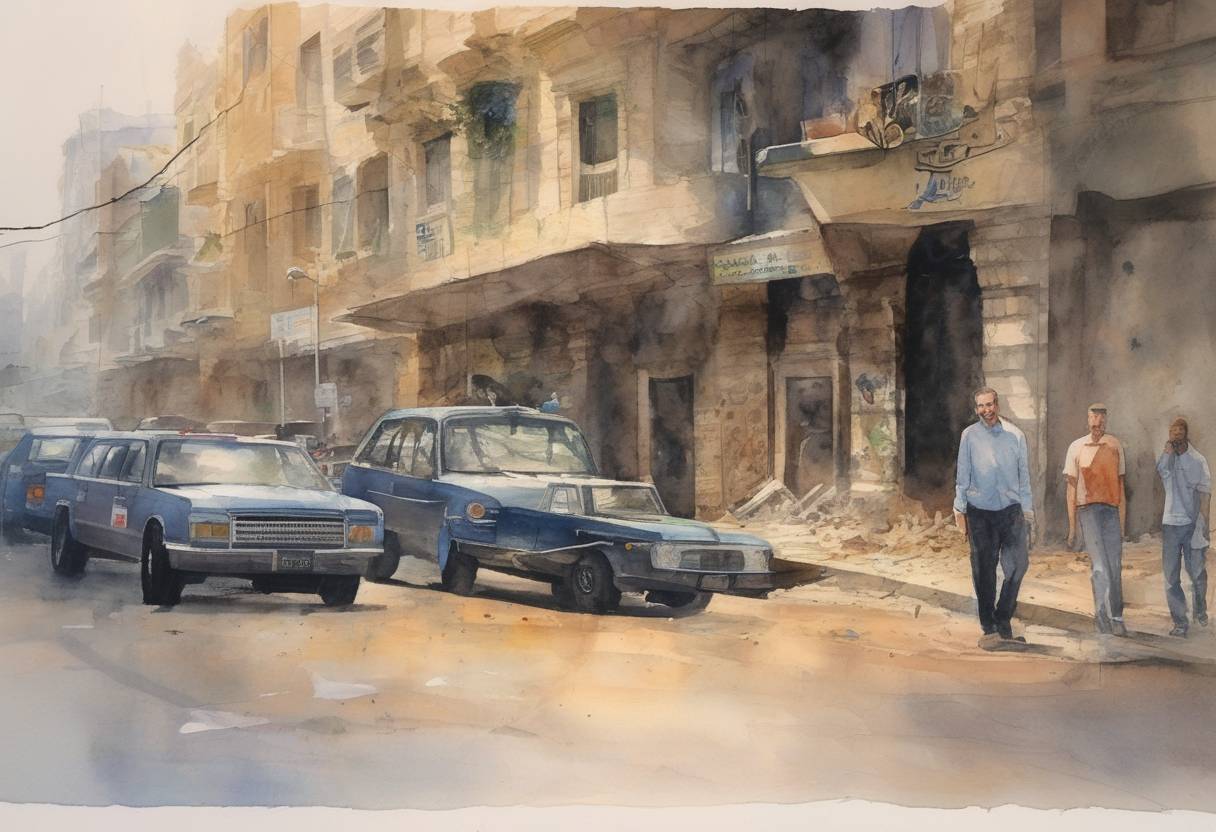
On February 14, 2005, former Lebanese Prime Minister Rafik Hariri was assassinated in a massive car bomb explosion in Beirut, Lebanon. This event marked a pivotal moment in Lebanese history, leading to significant political and social upheaval.
Rafik Hariri was a prominent Lebanese businessman and politician who served as Prime Minister of Lebanon from 1992 to 1998 and again from 2000 to 2004. He was credited with playing a crucial role in rebuilding Beirut after the Lebanese Civil War and was known for his efforts to stabilize the Lebanese economy. Hariri’s political stance was characterized by his opposition to Syrian influence in Lebanon, which had been significant since the end of the civil war.
The assassination sent shockwaves throughout Lebanon and the international community. It was widely believed that Syrian intelligence and their Lebanese allies were involved, although Syria denied any involvement. The event intensified existing tensions between pro-Syrian and anti-Syrian factions within Lebanon.
The assassination sparked widespread protests known as the “Cedar Revolution,” named after the national symbol of Lebanon. These protests were characterized by:
As a result of both domestic and international pressure, Syria announced the withdrawal of its troops from Lebanon. By April 2005, Syrian forces had fully withdrawn, ending a nearly 29-year military presence in the country.
The events following Hariri’s assassination highlighted the deep-seated issues within Lebanon and the broader Middle East, underscoring the ongoing challenges of political independence and stability in the region.
Source: en.wikipedia.org