2007 · Pisco, Peru
A magnitude 8.0 earthquake struck the central coast of Peru, causing significant damage and loss of life.
May 31, 1970
The 7.9 magnitude Ancash earthquake struck off the coast of Peru, triggering a massive landslide that buried the town of Yungay and killed an estimated 70,000 people.
Yungay, Peru
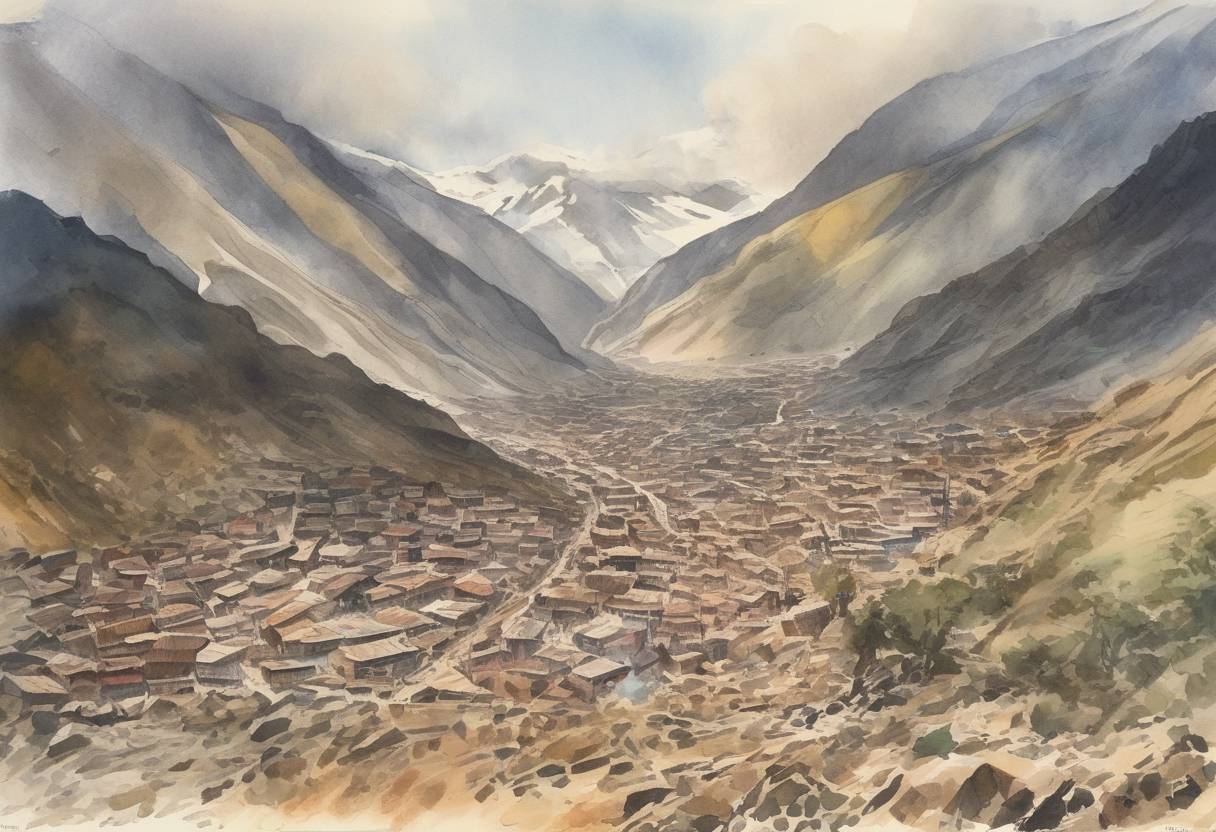
On May 31, 1970, a devastating natural disaster struck Peru, marking one of the deadliest earthquakes in the country’s history. The 7.9 magnitude Ancash earthquake occurred off the coast of Peru, triggering catastrophic consequences, including a massive landslide that obliterated the town of Yungay.
Geological Setting: Peru is situated along the Pacific Ring of Fire, an area known for its seismic activity due to the subduction of the Nazca Plate beneath the South American Plate. This tectonic setting makes the region prone to earthquakes.
Preceding Conditions: Prior to the earthquake, the region had experienced minor seismic activity, but nothing that could have predicted the scale of the impending disaster.
Date and Time: The earthquake struck on May 31, 1970, at 3:23 PM local time.
Epicenter: The epicenter was located in the Pacific Ocean, approximately 35 kilometers off the coast of the department of Ancash.
Magnitude: The earthquake registered a magnitude of 7.9, making it an exceptionally powerful seismic event.
Trigger: The earthquake triggered a massive landslide on the north face of Mount Huascarán, the highest peak in Peru.
Impact on Yungay: The landslide, composed of rock, ice, and snow, descended rapidly, covering a distance of about 16 kilometers in just a few minutes. It buried the town of Yungay under approximately 80 million cubic meters of debris.
Casualties: The landslide resulted in the near-total destruction of Yungay, with an estimated 20,000 people killed in the town alone. Overall, the earthquake and its aftermath claimed the lives of approximately 70,000 people across the region.
Rescue and Recovery: Rescue efforts were severely hampered by the scale of the disaster and the remote location of the affected areas. International aid was mobilized, but the response was challenged by logistical difficulties.
Reconstruction: The Peruvian government initiated reconstruction efforts, including the relocation of Yungay to a safer location nearby. The original site of Yungay was declared a national cemetery.
Legacy: The disaster highlighted the need for improved seismic monitoring and disaster preparedness in Peru. It also led to increased international cooperation in disaster response and risk reduction strategies.
Seismic Awareness: The 1970 Ancash earthquake underscored the vulnerability of regions along the Pacific Ring of Fire to seismic events and the importance of building resilient infrastructure.
Cultural Impact: The tragedy left a lasting impact on the collective memory of Peru, serving as a somber reminder of the power of natural forces and the resilience of communities in the face of adversity.
The 1970 Ancash earthquake remains a pivotal event in Peru’s history, shaping both national policies on disaster management and the global understanding of seismic risks.
Source: en.wikipedia.org