Fidel Castro's Death: End of an Era in Cuban History
2016 · Havana, Cuba
Fidel Castro, the former President of Cuba and revolutionary leader, dies at the age of 90, marking the end of an era in Cuban history.
July 11, 2021
Protests erupted across Cuba as thousands of people took to the streets to demonstrate against the government, driven by economic hardship, food shortages, and the government's handling of the COVID-19 pandemic.
Havana, Cuba | Cuban Government
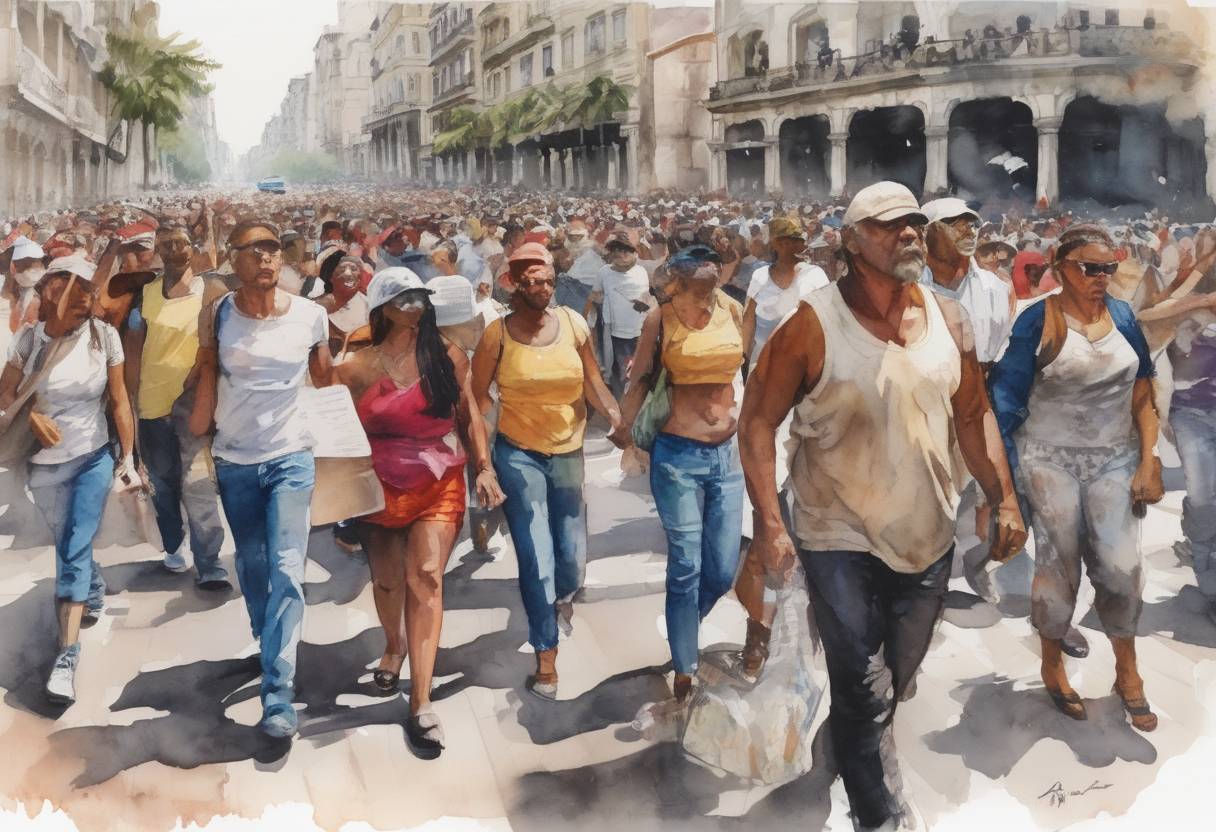
On July 11, 2021, Cuba witnessed an unprecedented wave of protests as thousands of citizens took to the streets across the island nation. These demonstrations were significant due to their scale and the rare public dissent against the Cuban government, which has maintained a tight grip on power since the 1959 revolution.
Several factors contributed to the eruption of these protests:
Economic Hardship: Cuba’s economy was in dire straits, exacerbated by the COVID-19 pandemic. The country faced severe shortages of basic goods, including food and medicine. The economic crisis was further intensified by U.S. sanctions, which had been tightened under the Trump administration.
COVID-19 Pandemic: The pandemic placed additional strain on Cuba’s healthcare system. While the country had developed its own vaccines, the rollout was slow, and the healthcare infrastructure struggled to cope with rising cases.
Government Response: The Cuban government’s handling of the economic crisis and the pandemic drew widespread criticism. Many citizens were frustrated with the lack of transparency and the slow pace of reforms promised by the government.
Protests Erupt: The protests began in the town of San Antonio de los Baños and quickly spread to other parts of the country, including Havana. Demonstrators chanted slogans such as “Libertad” (Freedom) and “Patria y Vida” (Homeland and Life), the latter being a reference to a popular song that criticized the government.
Government Reaction: The Cuban government, led by President Miguel Díaz-Canel, responded by calling on supporters to confront the protesters. The government also blamed the unrest on U.S. interference and social media campaigns.
Internet Blackouts: In an attempt to curb the spread of protests, the government restricted internet access, making it difficult for information to flow in and out of the country.
Arrests and Repression: In the days following the protests, numerous arrests were made. Human rights organizations reported that many protesters and activists were detained, with some facing harsh sentences.
International Reaction: The protests drew international attention, with many countries and organizations expressing concern over the Cuban government’s response. The U.S. government, in particular, voiced support for the protesters and called for the release of detained individuals.
Continued Unrest: While the immediate protests were quelled, the underlying issues remained unresolved. The events of July 11 highlighted the deep-seated frustrations within Cuban society and the challenges facing the government in addressing these concerns.
The July 11 protests were a pivotal moment in Cuban history, marking one of the largest public demonstrations against the government in decades. They underscored the growing discontent among Cubans and the urgent need for economic and political reforms. The events also highlighted the role of social media in mobilizing and amplifying dissent in a tightly controlled society.
Source: en.wikipedia.org