Introduction of the Apple Macintosh - January 24, 1984
1984 · Cupertino, United States
The first Apple Macintosh computer was introduced during a Super Bowl commercial, revolutionizing personal computing.
June 7, 1977
The first practical personal computer, the Apple II, went on sale, marking a significant moment in the personal computing revolution.
Cupertino, United States | Apple Inc.
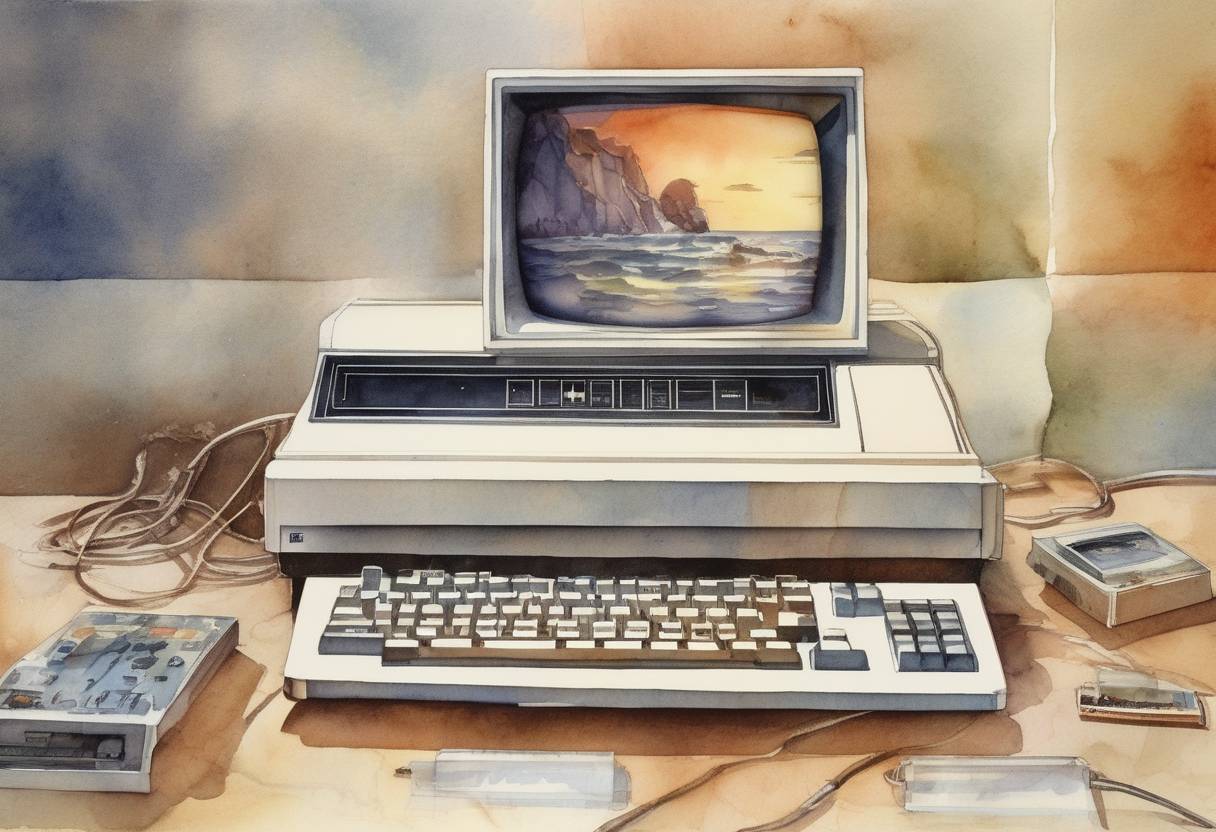
On June 7, 1977, the Apple II, one of the first highly successful mass-produced microcomputers, went on sale, marking a pivotal moment in the personal computing revolution. Developed by Apple Computer, Inc., which was founded by Steve Jobs, Steve Wozniak, and Ronald Wayne, the Apple II was instrumental in bringing computing into homes and small businesses, setting the stage for the modern personal computer industry.
The Apple II was preceded by the Apple I, which was more of a kit for hobbyists than a complete consumer product. The Apple I, introduced in 1976, required users to provide their own case, power supply, keyboard, and display. Despite its limitations, the Apple I demonstrated the potential market for personal computers, encouraging Jobs and Wozniak to create a more user-friendly machine.
Design and Build: The Apple II featured a sleek, plastic case and an integrated keyboard, making it more approachable for non-technical users. It was designed to be a complete, ready-to-use system.
Color Graphics: Unlike many of its contemporaries, the Apple II offered color graphics, which was a significant selling point. This capability made it appealing for both business applications and gaming.
Expandability: The computer included several expansion slots, allowing users to add peripherals and enhance functionality, which contributed to its versatility and longevity in the market.
Software: The Apple II was bundled with VisiCalc, the first spreadsheet program, which became a killer app for the business market. This software significantly boosted the computer’s popularity among small businesses.
The Apple II’s success helped establish Apple as a major player in the burgeoning personal computer industry. It remained in production with various updates and models until 1993, illustrating its enduring appeal and adaptability.
The introduction of the Apple II also spurred competition and innovation within the industry, leading to the development of other iconic computers and the eventual rise of the personal computer as an essential tool in both personal and professional settings.
The launch of the Apple II on June 7, 1977, was a landmark event in the history of computing. By making computers accessible and practical for everyday users, it played a crucial role in shaping the digital age, influencing the design and functionality of future personal computers. The Apple II’s legacy is evident in the continued evolution of user-friendly technology that empowers individuals and transforms industries.
Source: en.wikipedia.org