September 2, 1998

Swissair Flight 111 crashed into the Atlantic Ocean near Nova Scotia, killing all 229 people on board.


Peggy's Cove, Canada | Swissair
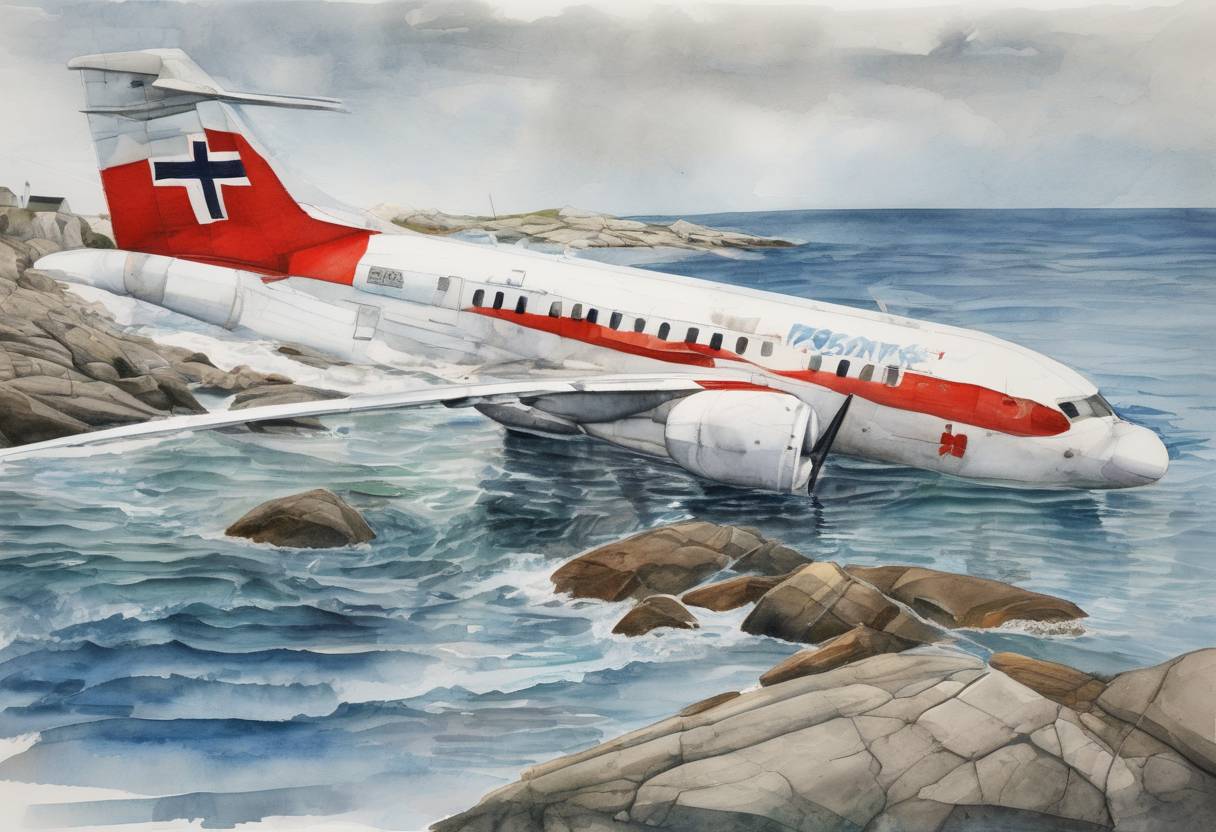
Watercolor painting based depiction of Swissair Flight 111 crashed into the Atlantic Ocean near Nova Scotia, killing all 229 people on board. (1998)

Swissair Flight 111 Crash - September 2, 1998

On September 2, 1998, Swissair Flight 111 tragically crashed into the Atlantic Ocean near Peggy’s Cove, Nova Scotia, Canada, resulting in the loss of all 229 passengers and crew on board. This incident is one of the deadliest aviation disasters in Canadian history and had significant implications for aviation safety standards worldwide.

Background

  • Flight Details: Swissair Flight 111 was a regularly scheduled international passenger flight from John F. Kennedy International Airport in New York City to Cointrin International Airport in Geneva, Switzerland.
  • Aircraft: The aircraft involved was a McDonnell Douglas MD-11, a wide-body airliner known for its long-range capabilities.
  • Passengers and Crew: The flight carried 215 passengers and 14 crew members, representing over 20 nationalities.

The Incident

  • Timeline:

    • The flight took off from JFK Airport at 8:18 PM EDT.
    • At approximately 10:14 PM ADT, the crew detected smoke in the cockpit and declared an emergency, requesting a diversion to Halifax International Airport.
    • Communication with the aircraft was lost at 10:31 PM ADT, and the plane crashed into the ocean shortly thereafter.
  • Crash Site: The aircraft impacted the water about 8 kilometers (5 miles) from the coast of Nova Scotia, near the small fishing community of Peggy’s Cove.

Investigation

  • Lead Agency: The Transportation Safety Board of Canada (TSB) led the investigation, with assistance from the National Transportation Safety Board (NTSB) of the United States and other international bodies.
  • Findings:
    • The investigation revealed that the crash was caused by a fire that started in the cockpit area, likely due to faulty wiring and flammable insulation materials.
    • The fire quickly spread, leading to a loss of control and eventual crash.

Aftermath and Impact

  • Safety Improvements:

    • The disaster prompted significant changes in aviation safety regulations, particularly concerning in-flight fire prevention and detection.
    • New standards were implemented for aircraft wiring and insulation materials to reduce flammability.
    • Enhanced cockpit procedures and emergency protocols were also established.
  • Memorials:

    • Two memorials were erected in Nova Scotia to honor the victims, one near Peggy’s Cove and another at Bayswater, where many of the recovered remains were buried.

Broader Significance

The Swissair Flight 111 disaster underscored the critical importance of stringent safety measures in aviation. It highlighted vulnerabilities in aircraft design and emergency response protocols, leading to industry-wide reforms aimed at preventing similar tragedies in the future. The incident remains a poignant reminder of the ongoing need for vigilance and innovation in aviation safety.