Arrest of Maximilien Robespierre - July 27, 1794
1794 · Paris, France
Maximilien Robespierre, a leading figure of the French Revolution, was arrested by the National Convention, marking the end of the Reign of Terror.
December 11, 1792
King Louis XVI of France is put on trial for treason by the National Convention during the French Revolution.
Paris, France | National Convention
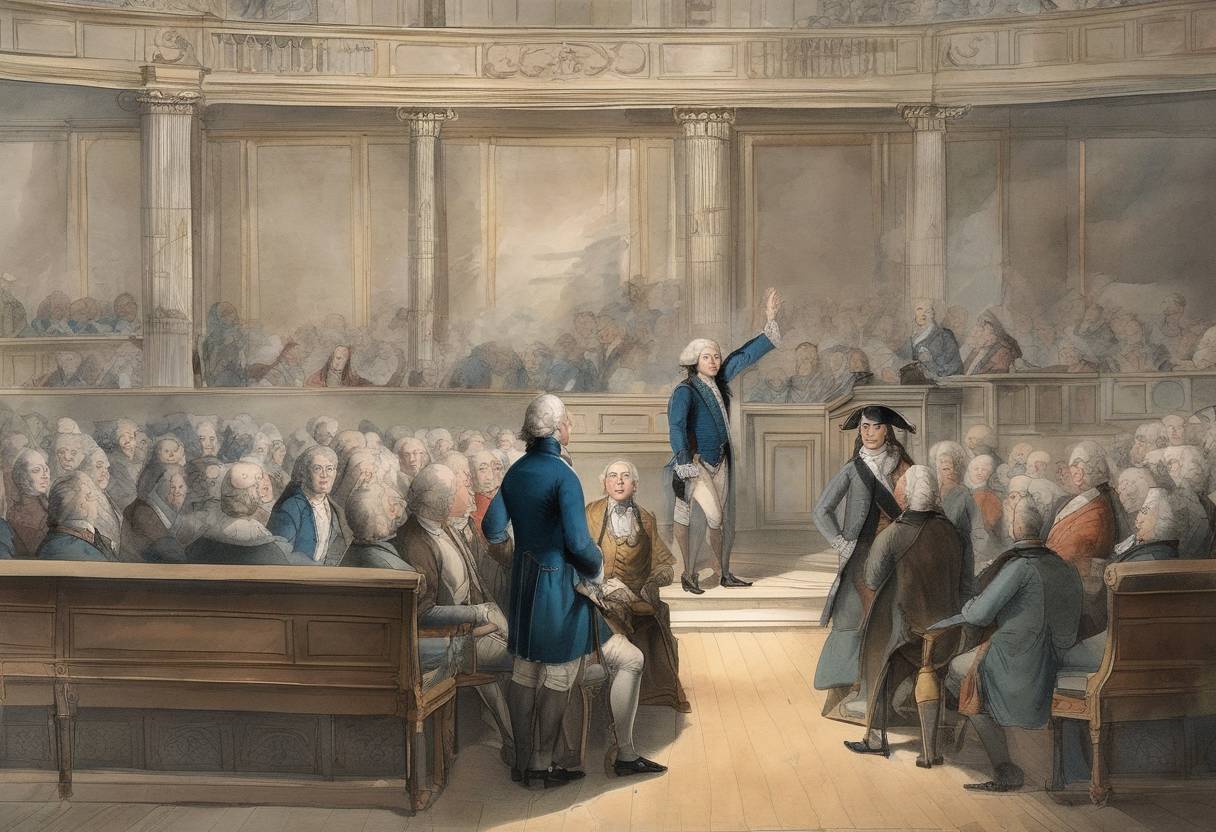
On December 11, 1792, King Louis XVI of France was brought before the National Convention to stand trial for treason. This pivotal moment in the French Revolution marked a significant turning point in the history of France and the monarchy.
The trial of Louis XVI was a culmination of escalating tensions between the monarchy and revolutionary forces. The French Revolution, which began in 1789, sought to dismantle the absolute monarchy and address widespread social inequalities. Key events leading up to the trial included:
The trial began on December 11, 1792, with Louis XVI being charged with conspiracy and high treason. The National Convention, which had declared France a republic earlier that year, acted as both judge and jury. Key aspects of the trial included:
The trial concluded with a guilty verdict. On January 21, 1793, Louis XVI was executed by guillotine, marking the first time a European monarch was publicly tried and executed by his own people. The execution had profound consequences:
The trial and execution of Louis XVI remain significant in understanding the radical transformation of French society during the revolution and the broader shift towards modern democratic governance.
Source: en.wikipedia.org