September 7, 2021

El Salvador becomes the first country in the world to adopt Bitcoin as legal tender, a controversial move that sparks global debate about the future of cryptocurrency.


San Salvador, El Salvador | Government of El Salvador
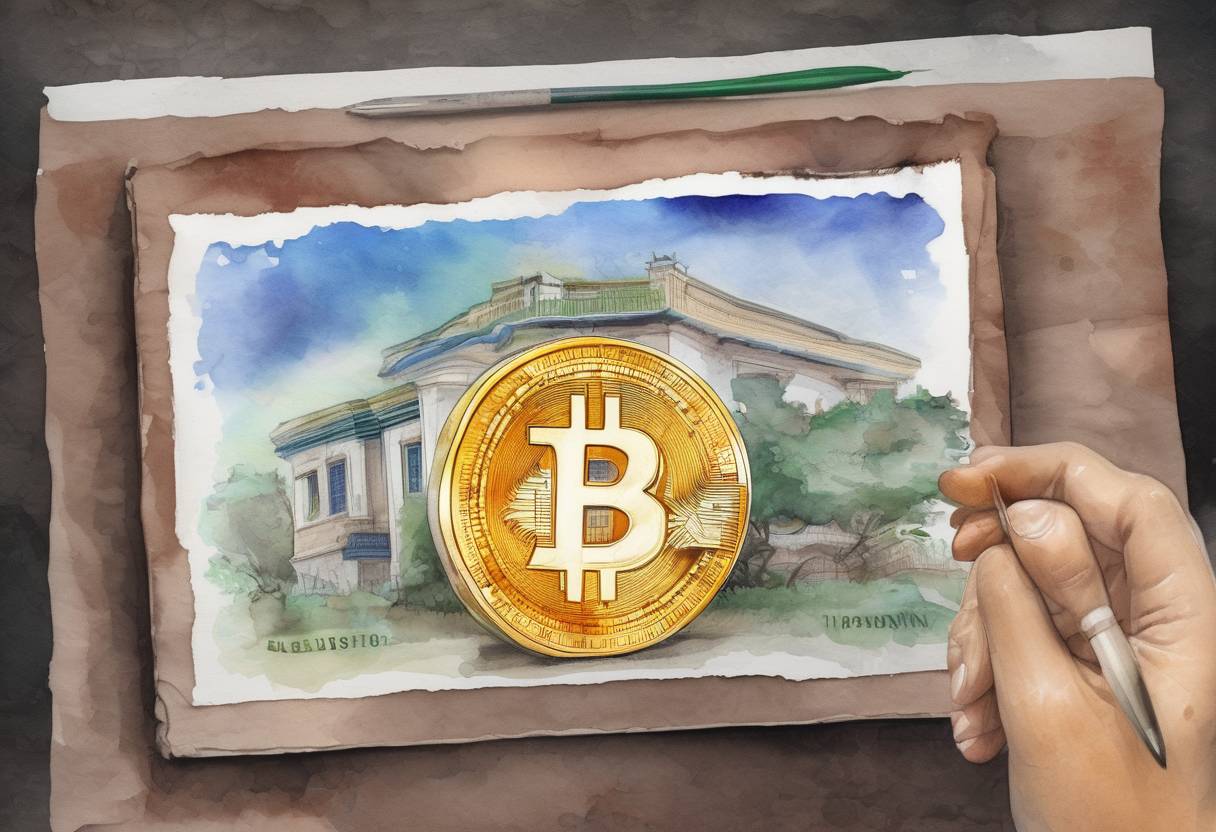
Watercolor painting based depiction of El Salvador becomes the first country in the world to adopt Bitcoin as legal tender, a controversial move that sparks global debate about the future of cryptocurrency. (2021)

El Salvador Adopts Bitcoin as Legal Tender

On September 7, 2021, El Salvador made history by becoming the first country in the world to adopt Bitcoin as legal tender. This groundbreaking decision was spearheaded by President Nayib Bukele and marked a significant moment in the global discourse on cryptocurrency and its role in national economies.

Context and Background

The move to adopt Bitcoin was announced in June 2021, when President Bukele revealed his plan during a Bitcoin conference in Miami. The proposal was swiftly passed by El Salvador’s Legislative Assembly, dominated by Bukele’s party, with the Bitcoin Law coming into effect on September 7.

Key Provisions of the Bitcoin Law

  • Legal Tender Status: Bitcoin was granted the same legal status as the U.S. dollar, which had been the official currency since 2001.
  • Mandatory Acceptance: Businesses were required to accept Bitcoin as a form of payment, although exceptions were made for those lacking the technology to do so.
  • Government Wallet: The government introduced a digital wallet app called “Chivo,” offering $30 in Bitcoin to citizens who downloaded it to encourage adoption.

Motivations Behind the Move

  1. Financial Inclusion: A significant portion of El Salvador’s population lacked access to traditional banking services. Bitcoin was seen as a tool to increase financial inclusion.
  2. Remittances: Remittances from Salvadorans abroad constitute a substantial part of the country’s GDP. Bitcoin was expected to reduce transaction fees associated with these transfers.
  3. Economic Growth: The government hoped that embracing Bitcoin would attract investment and innovation, positioning El Salvador as a hub for cryptocurrency.

Global Reactions and Controversy

The decision sparked widespread debate and mixed reactions globally:

  • Support: Proponents of cryptocurrency hailed the move as a bold step towards financial innovation and decentralization.
  • Criticism: Critics, including the International Monetary Fund (IMF) and World Bank, expressed concerns about economic stability, money laundering risks, and the volatility of Bitcoin.
  • Public Response: Within El Salvador, the decision was met with skepticism and protests. Many citizens were wary of Bitcoin’s volatility and the mandatory nature of its acceptance.

Aftermath and Consequences

Following the adoption, El Salvador experienced several challenges:

  • Technical Issues: The launch of the Chivo wallet was plagued by technical glitches, causing frustration among users.
  • Market Volatility: Bitcoin’s price volatility continued to be a concern, affecting its acceptance and use in daily transactions.
  • International Relations: The move strained relations with international financial institutions, complicating negotiations for financial aid.

Despite these challenges, El Salvador’s adoption of Bitcoin as legal tender remains a pivotal experiment in the integration of cryptocurrency into a national economy. It has set a precedent that other countries are closely watching, as the world continues to grapple with the implications of digital currencies in the global financial system.

Source: www.bbc.com