Kazakhstan Declares Independence from the Soviet Union
1991 · Almaty, Kazakhstan
Kazakhstan declares independence from the Soviet Union.
October 27, 1991
Turkmenistan declared its independence from the Soviet Union.
Ashgabat, Turkmenistan | Government of Turkmenistan
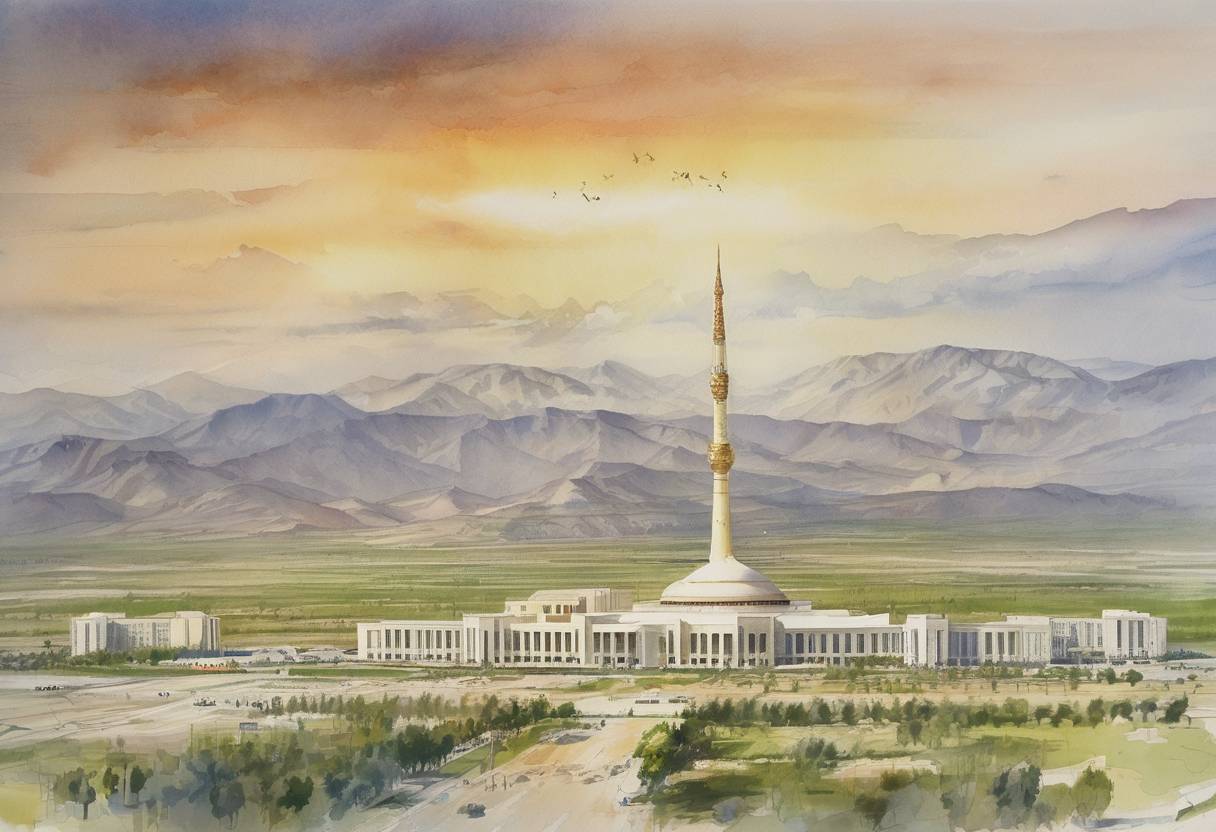
On October 27, 1991, Turkmenistan declared its independence from the Soviet Union, marking a significant moment in the dissolution of the USSR and the emergence of new sovereign states in Central Asia.
The late 1980s and early 1990s were a period of significant political upheaval in the Soviet Union. Under the leadership of Mikhail Gorbachev, policies of glasnost (openness) and perestroika (restructuring) were introduced, which inadvertently accelerated demands for greater autonomy and independence among the Soviet republics. The weakening of central Soviet control and the rise of nationalist movements across the USSR set the stage for the eventual dissolution of the union.
On October 27, 1991, the Supreme Soviet of Turkmenistan formally declared the republic’s independence. This declaration was part of a broader wave of independence declarations by Soviet republics during this period, as the Soviet Union neared its official dissolution in December 1991.
Turkmenistan’s independence was part of the larger disintegration of the Soviet Union, which resulted in the emergence of 15 independent republics. This period reshaped the geopolitical landscape of Eurasia and had lasting impacts on global politics, economics, and security dynamics.
The independence of Turkmenistan also highlighted the diverse cultural and historical identities within the former Soviet Union, as each new nation sought to establish its own path in the post-Soviet world.
Source: en.wikipedia.org