International Aid and Rescue Operations in Haiti - January 13, 2010
2010 · Port-au-Prince, Haiti
In Haiti, after the devastating earthquake on January 12, 2010, international aid and rescue operations begin to accelerate.
January 15, 2010
The 7.0 magnitude earthquake that struck Haiti three days earlier on January 12 resulted in a massive humanitarian crisis, with international aid operations continuing to be mobilized on January 15.
Port-au-Prince, Haiti | United Nations
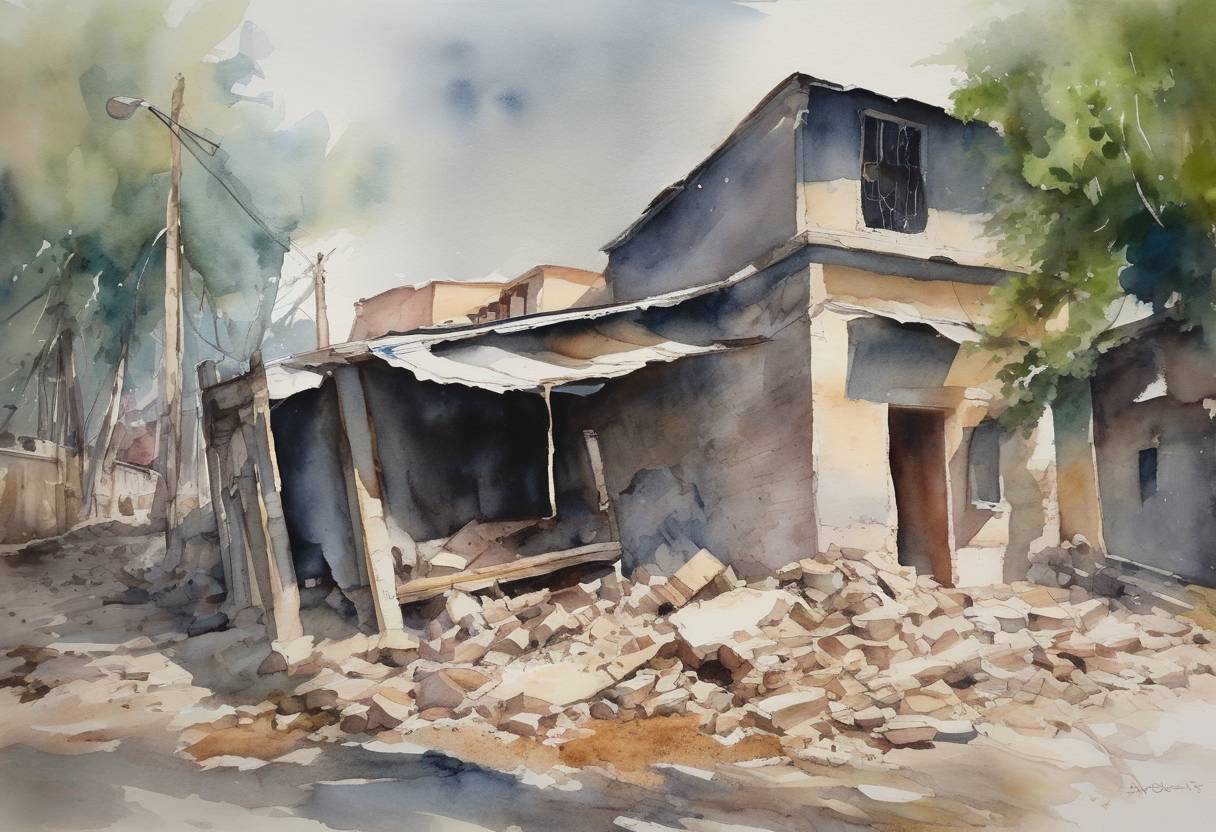
On January 15, 2010, the aftermath of the devastating 7.0-magnitude earthquake that struck Haiti on January 12 continued to shape both local and international responses. The earthquake, with its epicenter near the town of Léogâne, about 25 kilometers (16 miles) west of the capital, Port-au-Prince, resulted in widespread destruction and a massive humanitarian crisis.
Casualties and Damage: The initial reports indicated a catastrophic situation with thousands of lives lost, and countless more injured or displaced. Structures throughout Port-au-Prince, Léogâne, and surrounding areas were reduced to rubble, including major government buildings, hospitals, and schools.
Government Response: Haiti’s government, severely affected by the disaster, struggled to coordinate relief efforts due to loss of infrastructure and critical personnel.
Mobilization of Aid: By January 15, international aid operations had started to organize on an unprecedented scale. Countries from around the globe stood in solidarity with Haiti, committing monetary aid, supplies, and personnel.
Deployment of Resources: Many nations, including the United States, Canada, France, and several Latin American countries, deployed military and civilian teams to assist in search-and-rescue operations, medical aid, and the establishment of temporary shelters.
Global Organizations: The United Nations, which had a significant presence in Haiti before the earthquake, redirected its focus to urgent humanitarian needs despite suffering losses within its own staff stationed in the country.
Logistical Hurdles: The destruction of Port-au-Prince’s infrastructure posed significant challenges in delivering aid. The single-runway airport was overwhelmed with incoming flights, and damaged roads made distribution to affected areas difficult.
Security Concerns: There were concerns about maintaining order amid the chaos, necessitating peacekeeping efforts alongside humanitarian aid to ensure supplies reached those in need.
Long-Term Impact: The magnitude of the disaster drew attention to the vulnerabilities of Haiti’s socio-economic structure and its need for sustainable development and disaster preparedness initiatives.
International Cooperation: The international response highlighted the potential for global collaboration in humanitarian crises, setting precedents for future disaster response efforts.
By January 15, the world was witnessing and participating in one of the largest international emergency response efforts ever undertaken, emphasizing both the immediate need for relief and the longer-term challenges that lay ahead in rebuilding Haiti.
Source: www.bbc.com