Michelangelo Begins Work on the Statue of David
1501 · Florence, Italy
Michelangelo began work on his statue of David, which would become one of the most famous sculptures in the world.
August 19, 1504
Michelangelo's David is unveiled in Florence. Though initially intended to be displayed atop the Florence Cathedral, it was placed in the Palazzo della Signoria, and quickly became a symbol of the Florentine Republic's strength and independence.
Florence, Italy | Florentine Republic
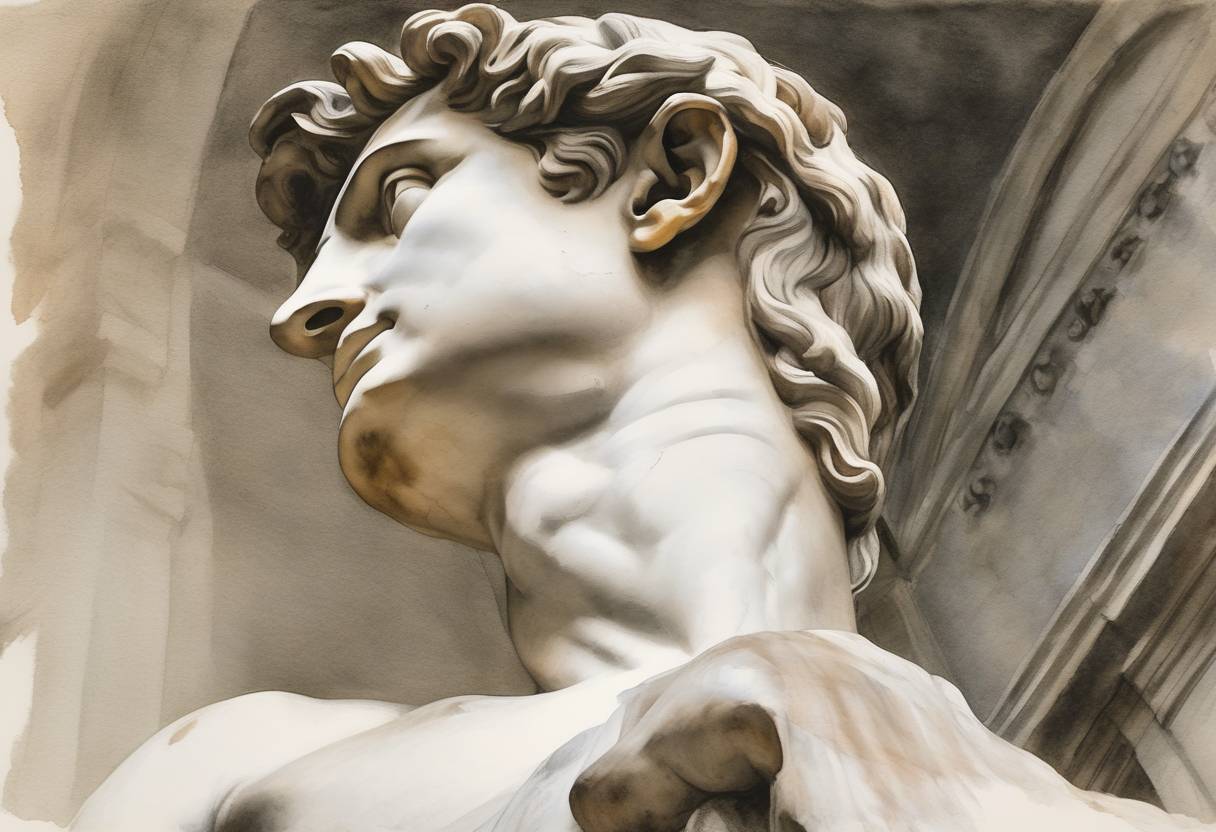
On September 8, 1504, the iconic marble statue of David, crafted by the renowned Renaissance artist Michelangelo Buonarroti, was officially unveiled in Florence, Italy. This masterpiece, celebrated for its exquisite representation of the biblical hero David, marked a pivotal moment in the history of art and symbolized the political ethos of the Florentine Republic.
The statue of David was originally commissioned in 1501 by the Overseers of the Office of Works of the Duomo (Opera del Duomo) for the Florence Cathedral. It was intended to be one of a series of statues of prophets to be positioned along the cathedral’s roofline. However, due to the statue’s immense weight and size—standing at approximately 17 feet tall and weighing over six tons—the plan was reconsidered.
Michelangelo, then in his mid-twenties, took on the challenge to carve a large block of marble that had been initially worked on by other artists, including Agostino di Duccio and Antonio Rossellino, but was ultimately left unfinished. Michelangelo’s interpretation of the young biblical hero was both a technical and artistic triumph, showcasing his mastery of human anatomy and perspective.
Upon its completion, it was agreed that such a powerful work should be displayed in a more prominent public location, easily visible and able to captivate the citizens of Florence. Although initially intended for a position on the cathedral, a committee that included respected artists and citizens, such as Leonardo da Vinci and Sandro Botticelli, determined that the Piazza della Signoria, in front of the Palazzo Vecchio, would be the most appropriate site.
This site was not merely a central urban location; it was the heart of Florentine civic life. By placing David here, the sculpture took on new significance: it became a symbol of the Florence Republic’s defiance and strength, particularly during a time when the city faced political pressure from the dominating Medici family and regional rivals.
David was perceived as a representation of the underdog’s victory and intelligence over brute strength, paralleling Florence’s resilience and strategic acumen on the Italian peninsula. Its presence in the public piazza served as a reminder of the republic’s values of vigilance, courage, and the readiness to defend its liberties and autonomy against larger foes.
David soon became a staple image of Renaissance art, both for its artistic brilliance and its embodiment of the civic pride and potential of the human form. Michelangelo’s David remains, to this day, one of the world’s most revered sculptures, studied for its artistry and cherished as a monumental emblem of the Renaissance’s merging of art, culture, and politics.
Source: en.wikipedia.org