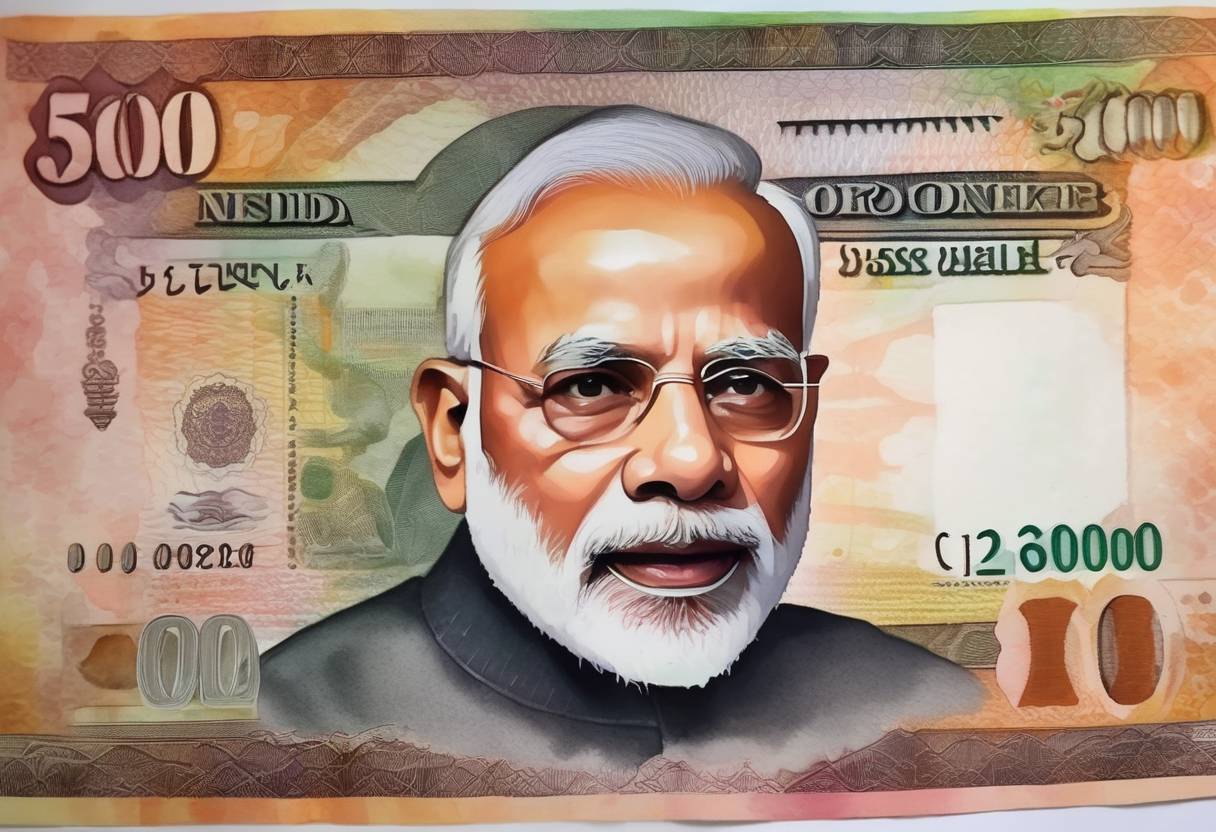
Demonetization in India: November 8, 2016
On November 8, 2016, the Prime Minister of India, Narendra Modi, announced a significant economic reform known as demonetization aimed at combating black money, counterfeiting, and corruption. The announcement stated that ₹500 and ₹1,000 currency notes, constituting approximately 86% of the cash in circulation, would cease to be legal tender effective midnight of November 8, 2016.
Context and Objectives
The Indian government had long been battling issues related to the shadow economy and counterfeit currency believed to be used in terrorism financing and other illegal activities. The sudden invalidation of high-denomination notes was part of a wider governmental effort to promote a digital economy, increase tax compliance, and reduce the wealth gap by exposing undisclosed wealth.
Key Events Leading Up to the Announcement
Economic Background: India had been experiencing challenges with monetary transparency, and a benchmark reform seemed necessary to ensure economic integrity.
Preparation and Secrecy: Few were aware of the impending announcement, a critical strategy to prevent anticipatory hoarding of new currency and the immediate conversion of black money into other assets.
Speech by Prime Minister Modi: In his televised address, PM Modi outlined the objectives and anticipated benefits of the demonetization move, emphasizing the need for urgent action to cleanse the financial system.
- Public Reaction: The sudden policy shift caused immediate public unrest, as millions lined up at banks and ATMs to deposit or exchange their demonetized notes.
- Economic Disruption: Small businesses, day-to-day wage earners, and sectors reliant on cash transactions faced significant disruptions due to liquidity shortages.
- Logistical Challenges: Banks and financial institutions faced immense pressure to accommodate the demand for new notes, prompting extended hours and additional measures to facilitate currency exchange.
Broader Consequences
Short-Term Economic Impact: The abrupt currency invalidation led to a temporary slowdown in economic growth due to decreased consumer spending and challenges in the informal sector.
Digital Economy Push: There was a notable increase in digital transactions and a shift towards electronic payment systems, aligning with the government’s agenda to digitize the financial landscape.
Long-Term Effects: The demonetization’s effectiveness in curbing black money was debated, with mixed outcomes on its stated objectives. However, it did enhance taxation compliance and broaden India’s taxpayer base.
Legacy
The demonetization move of November 8, 2016, remains a pivotal event in India’s modern economic history, frequently analyzed for its bold approach and wide-reaching effects on the Indian economy and global perspectives on cash management and anti-corruption strategies.