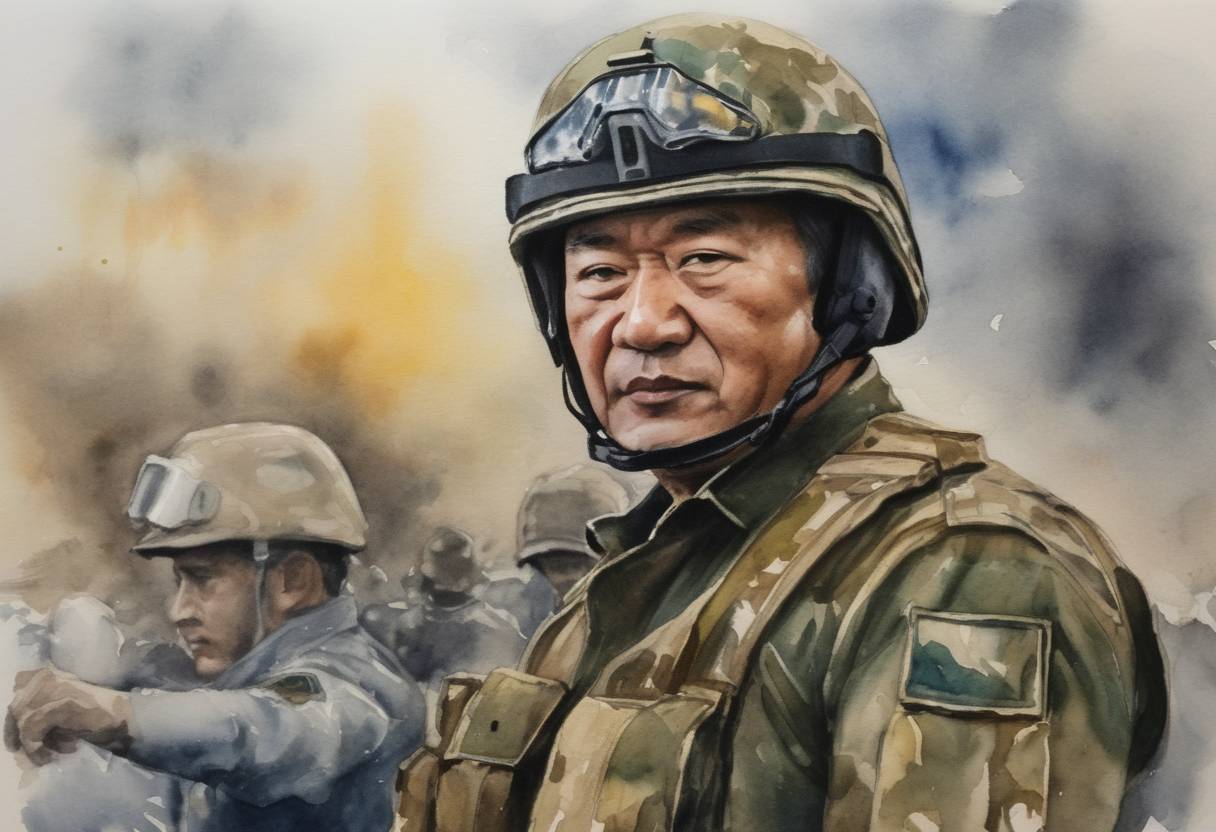
Kazakhstan’s Announcement on End of Unrest and Withdrawal of CSTO Troops - January 11, 2022
On January 11, 2022, President Kassym-Jomart Tokayev of Kazakhstan declared an end to the violent unrest that had engulfed the country for nearly a week. This period of turmoil was marked by significant civil unrest that began with protests over fuel price increases and escalated into broader anti-government demonstrations. The unrest prompted a swift response from Tokayev’s administration, which declared a state of emergency and sought assistance from the Collective Security Treaty Organization (CSTO).
Background
The unrest originated in the town of Zhanaozen on January 2, 2022, sparked by a sharp rise in prices for liquefied petroleum gas (LPG), which many Kazakh citizens use for vehicle fuel. The protests quickly spread across the nation, including to the former capital, Almaty, where they intensified into violent clashes between demonstrators and law enforcement.
CSTO Involvement
In response to the escalating violence, President Tokayev requested support from the CSTO, a military alliance of former Soviet states led by Russia. By January 6, 2022, CSTO troops, primarily Russian, were deployed to Kazakhstan to help stabilize the situation and protect vital infrastructure.
Tokayev’s Announcement
On January 11, during a government meeting, President Tokayev announced that order had been restored in the region. He stated that the CSTO mission had been successful and that the withdrawal of the foreign peacekeeping forces would commence shortly. Tokayev assured the public of measures to prevent future unrests, including addressing socio-economic grievances and revising certain policies.
Aftermath
The deployment of CSTO forces was regarded as a pivotal moment in Kazakh-Russian relations, showcasing Russia’s influence in the region. Meanwhile, Tokayev’s government announced efforts to reform and assured citizens of soon-to-come political and economic changes. These developments have had ongoing implications for both Kazakhstan’s internal policies and its international alignments.
The unrest and subsequent response highlighted the fragile socio-political climate in Kazakhstan and underscored the region’s strategic importance, particularly from a geopolitical perspective involving neighboring Russia and other CSTO member states.