Unveiling of Michelangelo's Restored Frescoes in the Sistine Chapel
1997 · Vatican City, Vatican City
After nearly 18 years of restoration work, Michelangelo's frescoes in the Sistine Chapel were unveiled to the public.
January 28, 1998
Michelangelo's Sistine Chapel ceiling restoration was finally completed, after multiple phases of cleaning that started in the 1980s, revealing vibrant colors and details that had been obscured for centuries.
Vatican City, Vatican City | Vatican Museums
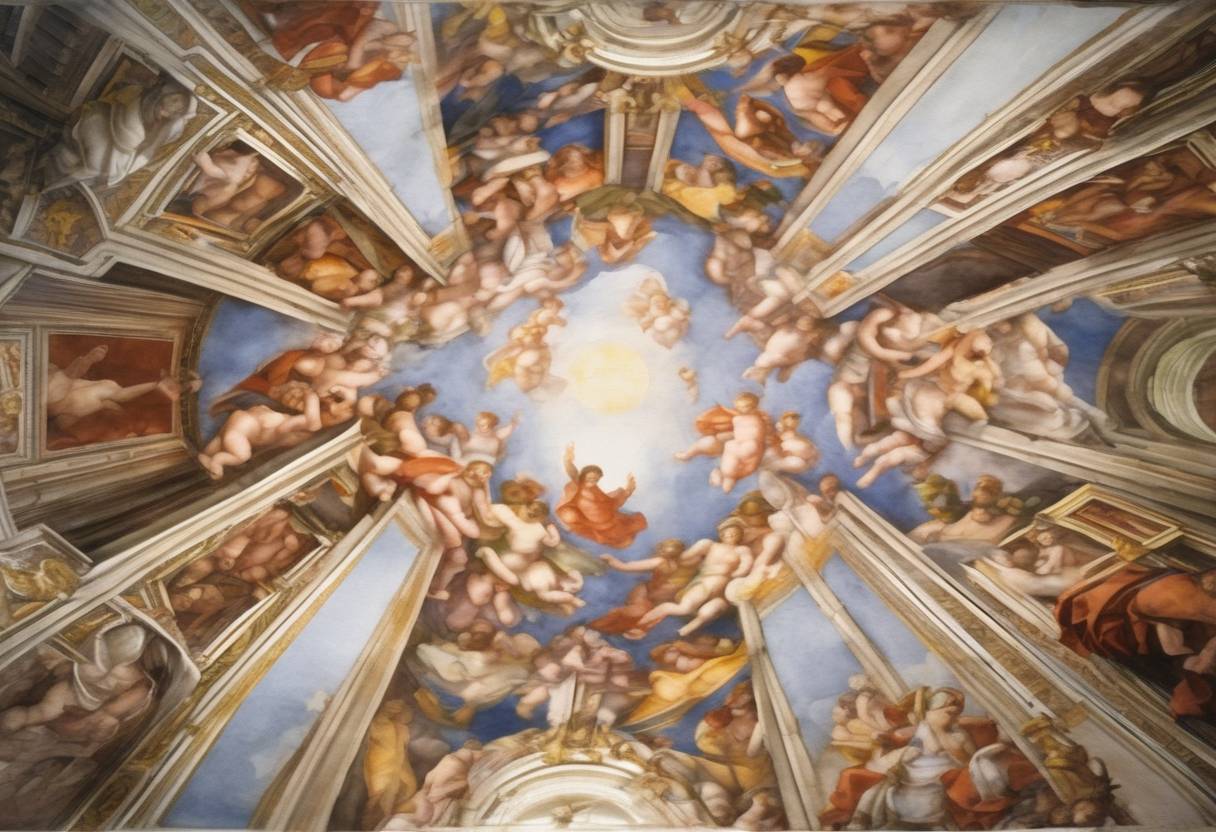
On January 28, 1998, the restoration of Michelangelo’s Sistine Chapel ceiling was officially completed. This marked the end of a transformative process that spanned several years and ignited a renaissance of interest in Michelangelo’s work, revealing astonishing new insights into the artist’s original vision.
The Sistine Chapel ceiling, painted by Michelangelo between 1508 and 1512, is one of the most renowned artworks of the Renaissance. Over the centuries, the ceiling became obscured by layers of grime, dirt, smoke from candles, and other environmental residues. These elements significantly dulled the vibrant colors and intricate details Michelangelo painstakingly crafted.
The restoration work, which began in the 1980s, focused on meticulously cleaning the surface using a combination of solvents and techniques to remove the layers of accumulated grime. The restoration was carried out in phases, allowing art historians, restoration experts, and the public to gradually see and understand the unfolding beauty of Michelangelo’s initial compositions.
As the cleaning progressed, vibrant colors, such as bright blues, vivid oranges, and delicate flesh tones reemerged, radically transforming the perceived mood and intensity of the frescoes. The restoration not only revitalized Michelangelo’s work but also stirred scholarly debate over his palette and the intentions behind his compositions.
The project was not without its controversies. Critics argued that the cleaning might have been too aggressive, potentially removing some of Michelangelo’s own touch, while supporters praised the work for reviving the ceiling’s original splendor. Overall, the restoration is widely regarded as a milestone in art conservation, showcasing the potential to rescue and rejuvenate historically significant works.
The completed restoration has been instrumental in reshaping global appreciation for Renaissance art and provided a fresh look at one of the world’s artistic masterpieces. It led to a reevaluation of Michelangelo’s style and technique, cementing his status anew as a master of color and form. Consequently, the rejuvenated ceiling remains an enduring symbol of artistic genius, viewed and admired by millions of visitors each year.
Source: www.britannica.com