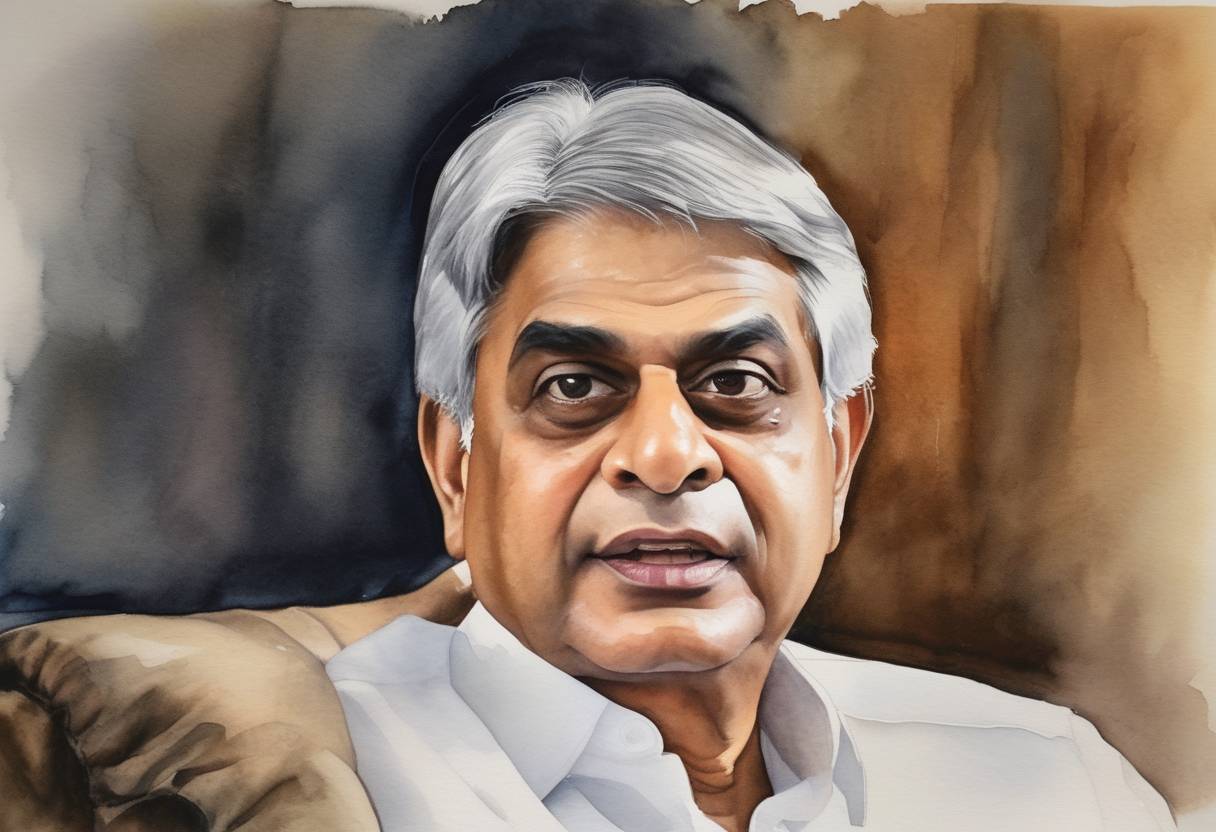
Appointment of Ranil Wickremesinghe as Interim President of Sri Lanka
On July 17, 2022, amidst one of the most significant political upheavals in Sri Lanka’s recent history, Ranil Wickremesinghe was appointed as the interim president. This appointment followed the departure of Gotabaya Rajapaksa from the country, a move precipitated by widespread protests and public discontent over the government’s economic mismanagement.
Context and Background
Economic Crisis: Sri Lanka faced a severe economic crisis in 2022 characterized by extreme shortages of essential goods, including fuel and food, alongside skyrocketing inflation. This turmoil was largely blamed on governmental failure to manage the economy efficiently.
Public Protests: Public frustration culminated in extensive protests beginning in March 2022, demanding accountability and government reform. Citizens called for the resignation of President Gotabaya Rajapaksa, accusing him of corruption and ineptitude.
Political Developments Leading to July 17
Instability in Leadership: Prior to Ranil Wickremesinghe’s appointment, Gotabaya Rajapaksa fled Sri Lanka as protests intensified. His departure left a power vacuum amid the political crisis.
Parliamentary Procedure: According to the Sri Lankan constitution, in the event of a presidential vacancy, the prime minister assumes the role of acting president. Consequently, Ranil Wickremesinghe, who was then serving as prime minister, was appointed as interim president.
Consequences and Aftermath
Parliamentary Elections: Following his appointment as interim president, Ranil Wickremesinghe was expected to oversee the election of a new president by the Parliament, as stipulated by the country’s constitution.
Public Reaction: Wickremesinghe’s ascension to the interim presidency was met with skepticism and further protests. Many citizens viewed his close association with the former regime as inadequate for leading a significant political transition.
Continued Protests: The political and economic crisis did not immediately abate with the change in leadership, and significant public dissatisfaction persisted amid calls for broader political and economic reforms.
Ranil Wickremesinghe’s appointment on July 17, 2022, marked a critical juncture in Sri Lanka’s ongoing struggle to stabilize its political landscape and address the underlying causes of its economic crisis.