First Diesel-Engine Automobile Trip Completion
1930 · New York City, United States
The first diesel-engine automobile trip is completed, from Indianapolis to New York City.
June 26, 1498
The toothbrush, a significant advancement in personal hygiene products, was first created by Chinese innovators using bristles from hogs attached to a handle made of bamboo or bone.
Unknown, China | None
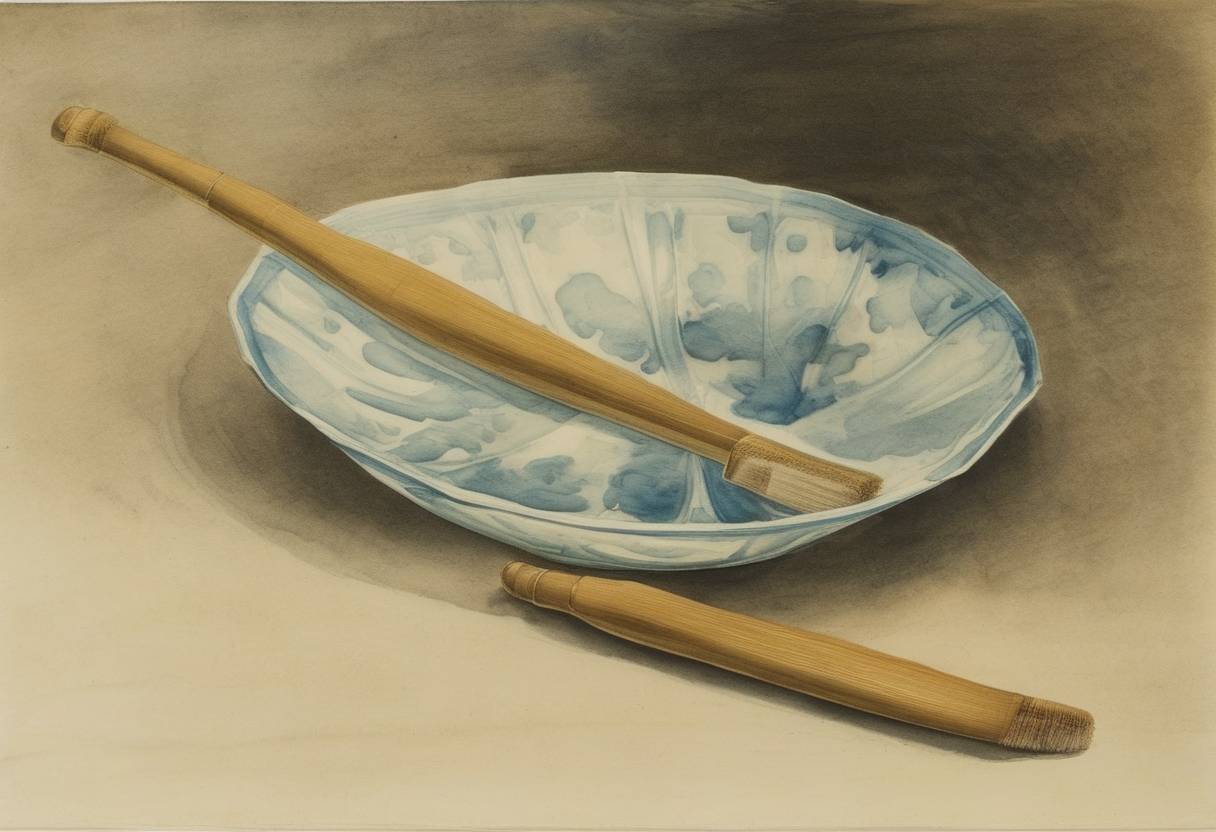
On June 26, 1498, an inventive leap in personal hygiene was recorded in the annals of history. This date marks the creation of what is widely regarded as the modern version of the toothbrush. The innovation emerged from China, where developers fashioned a tool combining practicality with hygienic necessity, laying the foundation for this essential personal care item that is ubiquitous today.
The Chinese adapted a new approach to oral care by utilizing available natural resources to craft their device. The toothbrush they conceptualized consisted of stiff bristles taken from the back of hogs native to the colder climate regions of Northern China, known for their durability and effectiveness. These bristles were securely attached to a handle, which was typically made from bamboo—renowned for its flexibility and availability—or sometimes carved bone.
Prior to this Sophistication in design, earlier forms of oral hygiene tools existed but were primitive in comparison. These included ‘chew sticks,’ which were twigs or thin sticks used to maintain oral cleanliness. These tools were often chewed on one end until fibers formed a brush-like texture that served to clean teeth superficially.
The introduction of the bristle toothbrush represented a significant advancement in daily personal hygiene during the Ming Dynasty. Over time, the idea of using bristled toothbrushes gradually spread beyond China to other parts of Asia, reaching Europe by the 17th century via trade routes. European adaptations initially included handles made from more luxurious materials such as silver, copper, or ivory, but still retained the pig bristle as the essential component for scrubbing.
The design set forth by the 1498 innovation has seen countless iterations and improvements, evolving with the application of synthetic materials and advancing technology. However, the basic structure conceived during this period laid the groundwork for modern toothbrushes, playing a pivotal role in dental care strategies globally.
While this invention significantly improved individual oral health, its legacy further highlighted the importance of hygiene innovation and cross-cultural exchanges in shaping modern-day health practices.
Source: www.britannica.com