Georgia Declares Independence from the Soviet Union
1991 · Tbilisi, Georgia
Georgia declared independence from the Soviet Union, marking a significant moment in the dissolution of the USSR.
April 9, 1989
The Tbilisi Massacre occurred in Georgia, where Soviet troops attacked peaceful pro-independence demonstrators, resulting in numerous deaths and injuries.
Tbilisi, Georgia | Soviet Union
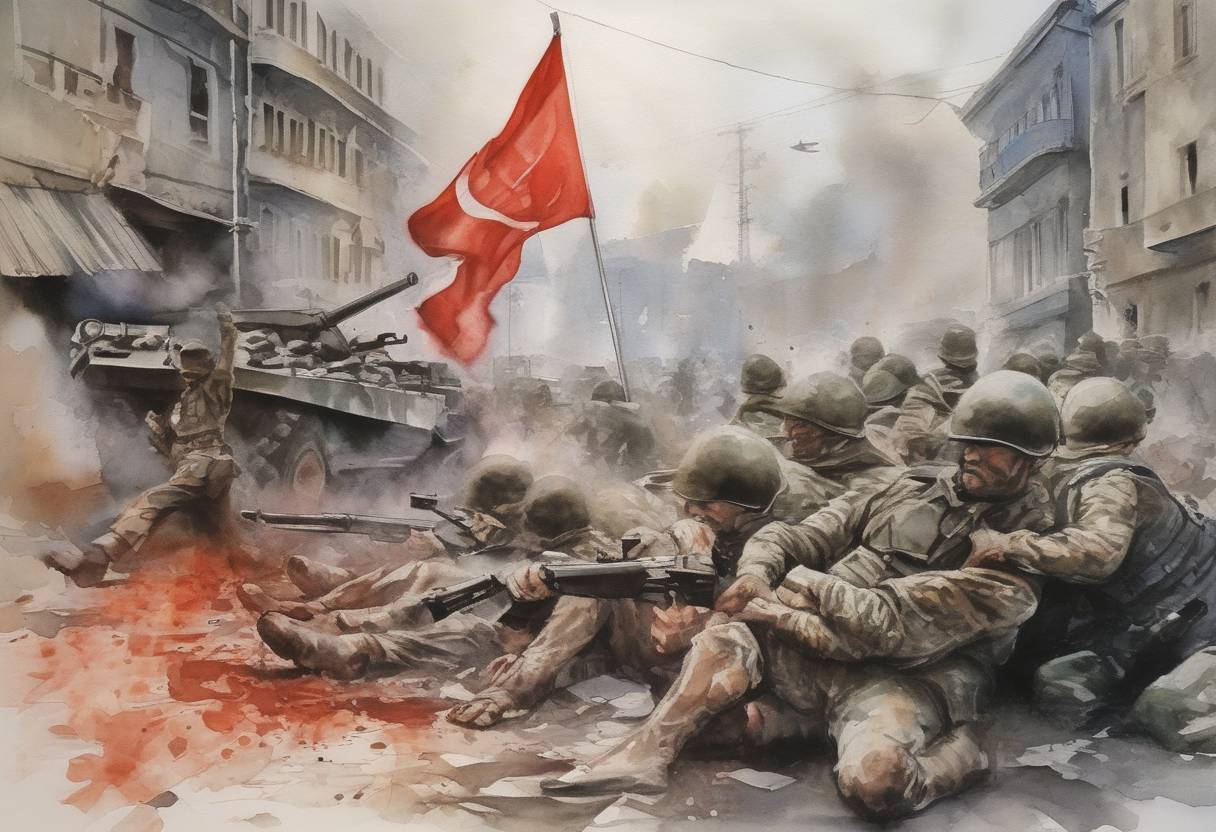
On April 9, 1989, a tragic event unfolded in Tbilisi, the capital of the Georgian Soviet Socialist Republic, when Soviet troops violently dispersed a peaceful pro-independence demonstration. This incident, known as the Tbilisi Massacre, resulted in the deaths of 21 people and injuries to hundreds more, marking a pivotal moment in the history of Georgia’s struggle for independence from the Soviet Union.
Throughout the 1980s, nationalist movements gained momentum across various Soviet republics, including Georgia. The Georgian people, driven by a desire for greater autonomy and independence, organized numerous demonstrations. Tensions escalated in early April 1989, when thousands gathered in Tbilisi to protest against Soviet policies and demand independence.
The protest on April 9 was organized by the Georgian independence movement and attracted a diverse crowd, including students, intellectuals, and ordinary citizens. The demonstrators gathered outside the Government House in Tbilisi, calling for the republic’s secession from the Soviet Union and expressing grievances over issues such as the status of the Abkhazian region.
In the early hours of April 9, Soviet authorities decided to disperse the demonstration. Soviet troops, including soldiers from the Ministry of Internal Affairs and special units, were deployed to the scene. Armed with batons, shovels, and tear gas, the troops launched a brutal assault on the unarmed protesters.
The attack was swift and violent. Many demonstrators were beaten, trampled, or suffocated in the ensuing chaos. The use of toxic gas exacerbated the situation, leading to panic and further casualties. By the end of the assault, 21 people, mostly young women, had lost their lives, and hundreds were injured.
The Tbilisi Massacre had profound consequences for Georgia and the Soviet Union:
National Outrage: The massacre sparked widespread outrage across Georgia and the Soviet Union. It galvanized the Georgian independence movement, uniting various factions in their opposition to Soviet rule.
Political Repercussions: The event led to significant political changes in Georgia. It intensified calls for independence and contributed to the eventual dissolution of the Soviet Union. In 1991, Georgia declared its independence, becoming one of the first republics to break away from Soviet control.
Human Rights Concerns: The massacre drew international attention to human rights abuses within the Soviet Union. It highlighted the lengths to which the Soviet regime would go to suppress dissent and maintain control.
Commemoration: April 9 is now a national day of remembrance in Georgia, honoring the victims of the massacre and celebrating the country’s eventual independence.
The Tbilisi Massacre remains a poignant reminder of the struggle for freedom and the human cost of political repression. It is a significant chapter in the history of Georgia’s path to independence and the broader narrative of the collapse of the Soviet Union.
Source: en.wikipedia.org