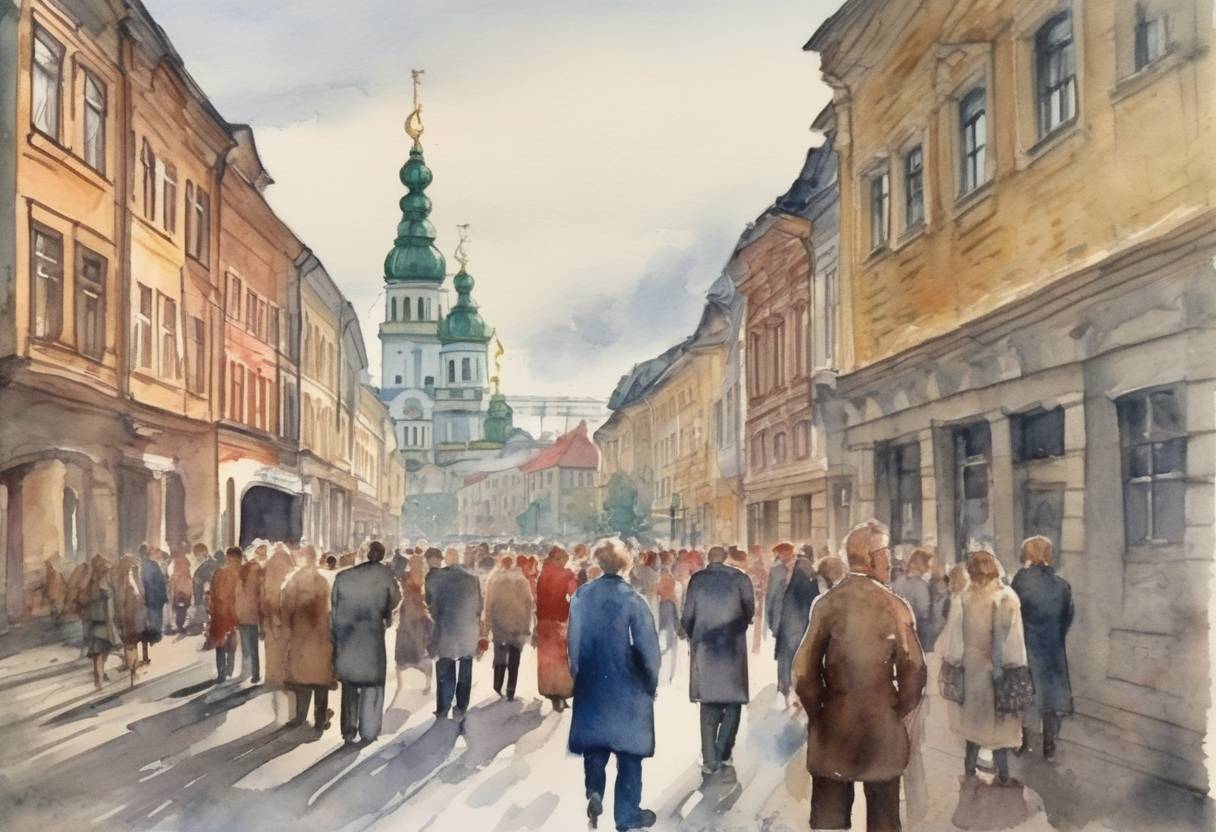
Lithuania Declares Independence from the Soviet Union
On March 11, 1990, Lithuania made a historic move by declaring its independence from the Soviet Union, becoming the first Soviet republic to do so. This bold step was a pivotal moment in the dissolution of the Soviet Union and marked the beginning of a wave of independence movements across Eastern Europe.
Context and Background
Soviet Control: Lithuania, along with Latvia and Estonia, had been forcibly incorporated into the Soviet Union in 1940 following the Molotov-Ribbentrop Pact between Nazi Germany and the Soviet Union. This annexation was never recognized by many Western countries.
Perestroika and Glasnost: In the 1980s, Soviet leader Mikhail Gorbachev introduced policies of perestroika (restructuring) and glasnost (openness), which inadvertently fueled nationalist movements within the Soviet republics. These policies allowed for more political freedom and economic reforms, which encouraged the Baltic states to push for greater autonomy.
Sąjūdis Movement: In Lithuania, the Sąjūdis movement, founded in 1988, played a crucial role in mobilizing public support for independence. It was a broad-based reform movement that advocated for national sovereignty and democratic reforms.
Key Events Leading to Independence
Elections: In February 1990, Lithuania held its first free elections since World War II. The Sąjūdis movement won a majority in the Supreme Soviet of the Lithuanian SSR, setting the stage for a declaration of independence.
Declaration of Independence: On March 11, 1990, the newly elected Lithuanian Supreme Council, led by Vytautas Landsbergis, declared the re-establishment of Lithuania’s independence. The Act of the Re-Establishment of the State of Lithuania was passed, asserting that Lithuania was no longer subject to Soviet law.
Soviet Response: The Soviet Union, under Gorbachev, condemned the declaration and imposed an economic blockade on Lithuania, cutting off supplies of oil and other essential goods. This blockade lasted for several months, putting significant pressure on the Lithuanian economy.
International Reaction: Initially, the international community was cautious in its response. Many countries were hesitant to recognize Lithuania’s independence immediately, fearing instability in the region and repercussions from the Soviet Union.
Broader Historical Significance
Catalyst for Change: Lithuania’s declaration of independence was a catalyst for similar movements in other Soviet republics. It inspired Latvia and Estonia to follow suit, and eventually, all three Baltic states regained their independence.
Collapse of the Soviet Union: The move by Lithuania and subsequent actions by other republics contributed to the weakening of Soviet control and the eventual dissolution of the Soviet Union in 1991.
Legacy: Lithuania’s successful bid for independence is celebrated annually on March 11 as the Day of Restoration of Independence. It remains a symbol of national resilience and the power of peaceful resistance.
Lithuania’s declaration of independence was a defining moment in the late 20th century, illustrating the power of national identity and the desire for self-determination in the face of oppressive regimes.