The Attack on Baga by Boko Haram - January 5, 2015
2015 · Baga, Nigeria
The Nigerian town of Baga was attacked by Boko Haram, resulting in a large number of casualties and displacements.
April 14, 2014
Boko Haram militants kidnapped 276 schoolgirls from a secondary school in Chibok, Nigeria, sparking international outrage and the #BringBackOurGirls campaign.
Chibok, Nigeria | Boko Haram
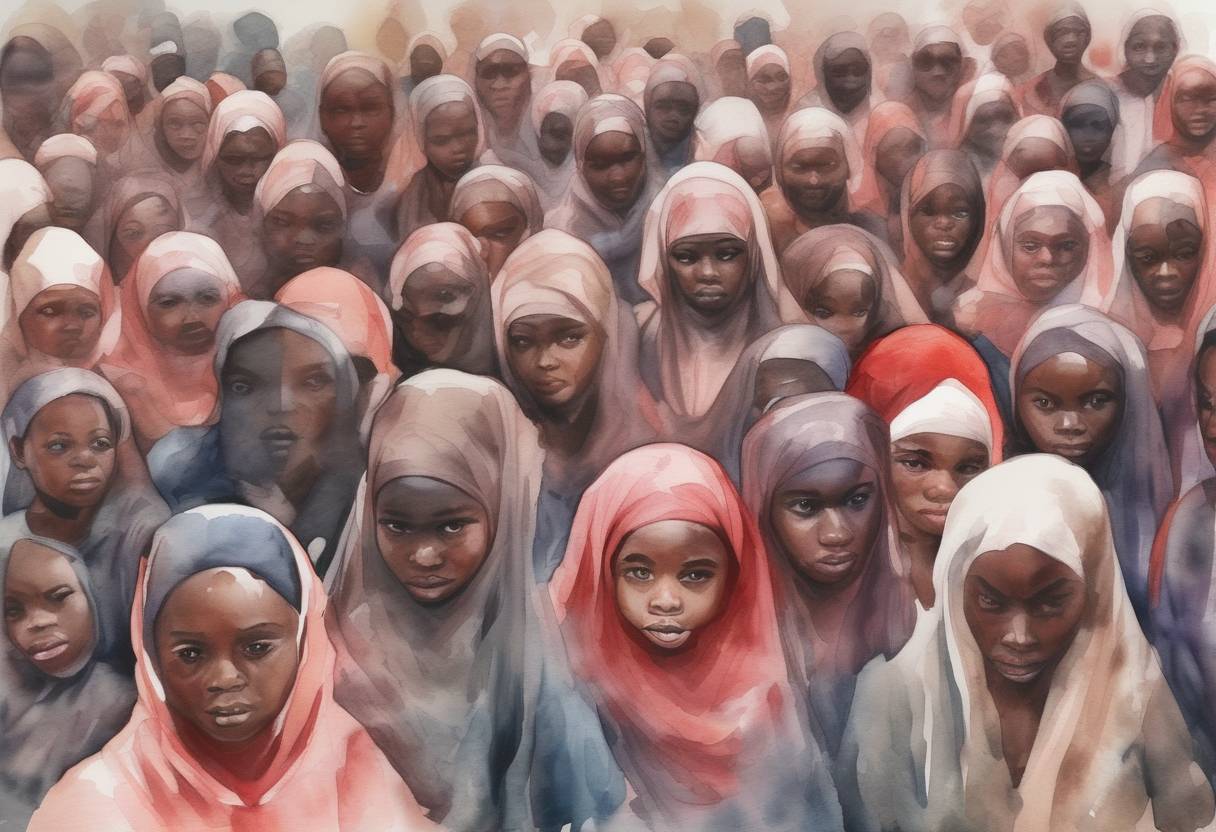
On April 14, 2014, the militant Islamist group Boko Haram abducted 276 female students from the Government Secondary School in Chibok, a town in Borno State, Nigeria. This event not only drew international condemnation but also sparked a global social media campaign under the hashtag #BringBackOurGirls.
Boko Haram, whose name roughly translates to “Western education is forbidden,” has been active in Nigeria since the early 2000s. The group opposes Western-style education and seeks to establish an Islamic state in Nigeria. By 2014, Boko Haram had escalated its insurgency, targeting schools, villages, and government institutions, primarily in the northeastern part of the country.
The abduction drew widespread international attention and condemnation. The #BringBackOurGirls campaign gained momentum on social media, with global leaders, celebrities, and activists joining the call for the girls’ release. Notable figures, including then-U.S. First Lady Michelle Obama, participated in the campaign, amplifying its reach and impact.
The Chibok kidnapping underscored the vulnerabilities faced by educational institutions in conflict zones and highlighted the broader issues of terrorism, gender-based violence, and the importance of international solidarity in addressing such crises. The #BringBackOurGirls campaign remains a powerful example of how social media can mobilize global awareness and advocacy for humanitarian causes.
Source: www.bbc.com