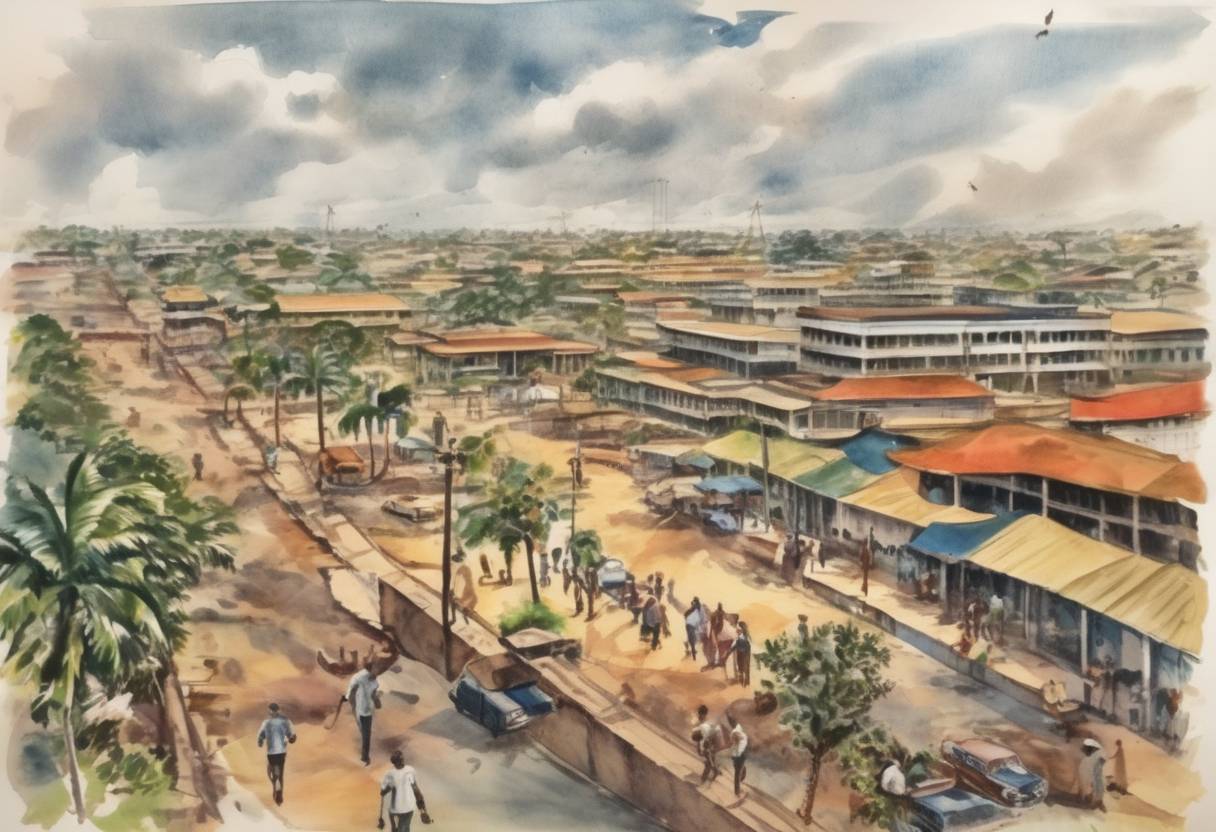
Ghana’s Independence: March 6, 1957
On March 6, 1957, Ghana made history by becoming the first African country to gain independence from colonial rule. This momentous event marked the end of British colonial control and the beginning of a new era for the African continent. The independence of Ghana was a significant milestone in the decolonization movement across Africa and inspired other nations to pursue self-determination.
Background
- Colonial Rule: Ghana, formerly known as the Gold Coast, was a British colony. The region was rich in natural resources, particularly gold, which attracted European powers.
- Nationalist Movements: The push for independence was fueled by a growing sense of nationalism and the desire for self-governance. The United Gold Coast Convention (UGCC), formed in 1947, was one of the first political movements advocating for independence.
- Kwame Nkrumah: A key figure in Ghana’s independence movement, Nkrumah was educated in the United States and the United Kingdom. He became a prominent leader advocating for the end of colonial rule.
Key Events Leading to Independence
- Formation of the CPP: In 1949, Kwame Nkrumah founded the Convention People’s Party (CPP), which played a crucial role in the independence movement. The CPP’s slogan, “Self-Government Now,” resonated with the masses.
- 1951 Elections: The CPP won a significant victory in the 1951 legislative elections, leading to Nkrumah’s release from prison, where he had been held for political agitation. He became the leader of government business.
- Constitutional Reforms: Over the next few years, constitutional reforms gradually increased the level of self-governance, culminating in full independence.
Independence Day
- Ceremony: On March 6, 1957, a grand ceremony was held in Accra, the capital of Ghana. The Union Jack was lowered, and the new national flag of Ghana was hoisted.
- Kwame Nkrumah: Nkrumah became the first Prime Minister of Ghana. In his speech, he declared, “Ghana, your beloved country, is free forever.” His leadership was pivotal in achieving independence.
Aftermath and Significance
- Pan-African Influence: Ghana’s independence was a beacon of hope for other African nations under colonial rule. It inspired a wave of decolonization across the continent throughout the 1960s.
- Nkrumah’s Vision: As a staunch Pan-Africanist, Nkrumah advocated for the unity of African nations and played a significant role in the formation of the Organization of African Unity (OAU) in 1963.
- Economic and Political Challenges: Post-independence, Ghana faced challenges such as economic instability and political unrest. Nkrumah’s government was overthrown in a coup in 1966, highlighting the complexities of post-colonial governance.
Ghana’s independence remains a landmark event in African history, symbolizing the triumph of self-determination and the enduring spirit of freedom.